
Contents
Overview
The genesis of the food stand is as old as civilization itself, rooted in the necessity of providing sustenance to urban populations and travelers. Ancient Roman thermopolia served as early precursors, offering hot prepared foods from counter-like structures. Medieval markets across Europe teemed with vendors selling simple, portable meals from makeshift stalls, laying the groundwork for what we now recognize as street food culture. The Industrial Revolution in the 19th century, with its burgeoning cities and mobile working classes, saw a significant rise in street vendors, including those selling hot sausages, pies, and beverages from carts and stands. Early 20th-century innovations like the ice cream cart and the hot dog stand solidified their place in urban landscapes, becoming iconic symbols of accessible, everyday dining. The concept of the food stand is thus a living historical artifact, continuously adapting to new technologies and consumer demands, from the humble market stall to the modern food truck.
⚙️ How It Works
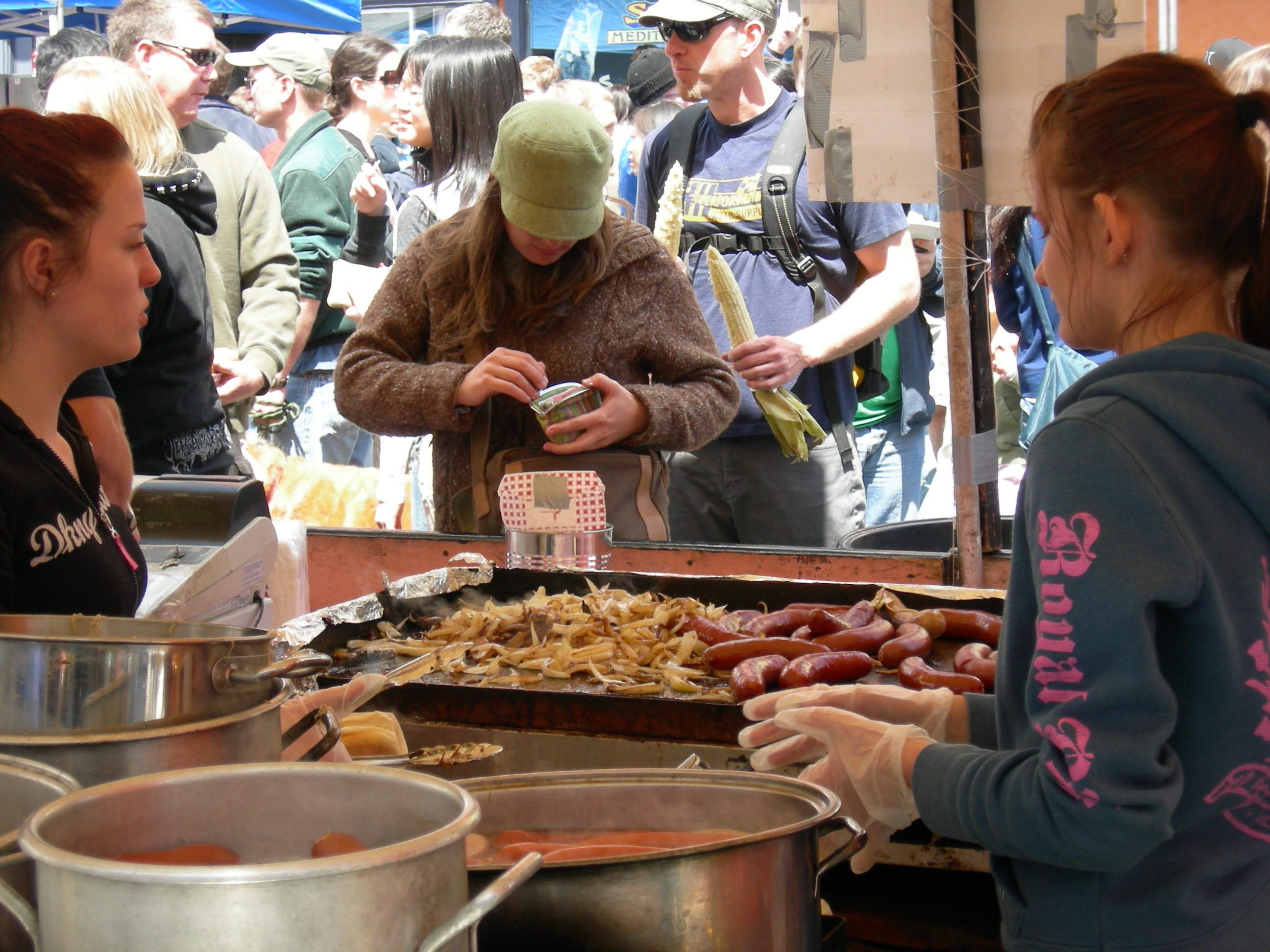
At its most basic, a food stand operates by providing a compact, efficient space for food preparation and service. This typically involves a counter for customer interaction, a cooking area (which can range from a simple grill to a fully equipped mobile kitchen), storage for ingredients and supplies, and a system for waste disposal. Regulatory compliance is a crucial operational aspect, with most jurisdictions requiring permits, health inspections, and adherence to food safety standards set by bodies like the FDA. Power sources can vary from portable generators to direct utility hookups, and water access is often managed through onboard tanks or proximity to public facilities. The engineering of a food stand prioritizes mobility, functionality, and adherence to health codes, ensuring that food can be prepared safely and efficiently in diverse outdoor settings, from a bustling Times Square corner to a remote music festival like Coachella.
📊 Key Facts & Numbers
The global street food market, of which food stands are a primary component, is a substantial economic force. The cost to start a basic food stand can range from $5,000 to $50,000, a significantly lower barrier to entry than a traditional brick-and-mortar restaurant. This economic accessibility fuels a vibrant ecosystem of small businesses and entrepreneurial ventures worldwide.
👥 Key People & Organizations
While no single individual can be credited with inventing the food stand, countless entrepreneurs and chefs have risen to prominence through this model. Organizations such as the National Restaurant Association play crucial roles in setting standards and issuing permits. In many cities, street vendor advocacy groups, like the Street Vendor Project in New York, work to protect the rights and improve conditions for food stand operators. The collective efforts of these individuals and entities shape the regulatory landscape and culinary offerings available from food stands globally.
🌍 Cultural Impact & Influence
Food stands are potent cultural ambassadors, offering a direct, unpretentious taste of local culinary traditions. They democratize access to diverse cuisines, making everything from Mexican tacos and Indian samosas to Vietnamese pho and Thai pad thai available on street corners worldwide. This accessibility fosters cultural exchange and culinary exploration, often serving as a gateway for consumers to discover new flavors and dishes. Food stands also play a vital role in community life, acting as informal gathering spots and contributing to the unique atmosphere of festivals, markets, and urban neighborhoods. Their presence can significantly influence the perception and identity of a place, as seen in the iconic status of certain food stands in cities like Tokyo or Bangkok.
⚡ Current State & Latest Developments
The contemporary food stand landscape is characterized by increasing sophistication and diversification. The rise of the food truck has pushed the boundaries of what a mobile food business can be, with many offering highly specialized, chef-driven menus that rival traditional restaurants. Technology is also playing a larger role, with mobile payment systems, online ordering platforms like DoorDash, and social media marketing enabling vendors to reach wider audiences and manage operations more efficiently. In response to growing demand for healthier options, many stands are now focusing on plant-based, organic, or locally sourced ingredients. Regulatory environments continue to evolve, with some cities implementing stricter zoning laws and permit fees, while others are actively promoting street vending as a means of economic development and cultural enrichment.
🤔 Controversies & Debates
The operation of food stands is not without its controversies and debates. Key among these are issues of public space access and competition with brick-and-mortar restaurants. Critics argue that food stands can clog sidewalks, create litter, and unfairly compete with established eateries that bear higher overhead costs. Regulatory battles over permits, licensing fees, and operating hours are common in many municipalities, often pitting vendors against city councils and established business groups. Food safety concerns, while addressed by regulations, remain a point of vigilance, particularly regarding hygiene and ingredient sourcing. The gentrification of urban areas can also impact food stands, as rising rents and changing neighborhood demographics can displace long-standing vendors.
🔮 Future Outlook & Predictions
The future of food stands appears poised for continued innovation, driven by technology and evolving consumer preferences. Expect to see further integration of AI in optimizing routes for mobile kitchens, personalized menu recommendations via apps, and potentially even automated cooking processes. The demand for sustainable practices will likely lead to more eco-friendly packaging and waste management solutions. As urban density increases, food stands may become even more integral to the urban food ecosystem, serving as flexible, responsive culinary hubs. The lines between traditional stands, food trucks, and even ghost kitchens may blur further, creating new hybrid models for food service delivery. The potential for global expansion of successful street food concepts also remains high.
💡 Practical Applications
Food stands serve a multitude of practical purposes across various sectors. They are fundamental to event catering, providing essential food services at concerts, sporting events, festivals, and private parties. In disaster relief scenarios, mobile food stands can be rapidly deployed to provide sustenance to affected populations. They also offer a low-risk entry point for aspiring chefs and entrepreneurs to test culinary concepts and build a customer base before committing to a full-scale restaurant. Educational institutions and large corporations sometimes utilize food stands for campus dining or employee events. Furthermore, they are crucial in tourism, offering visitors authentic local flavors and contributing to the destination's appeal, as seen in the vibrant street food scenes of cities like Singapore.
Key Facts
- Category
- culture
- Type
- topic