
Contents
Overview
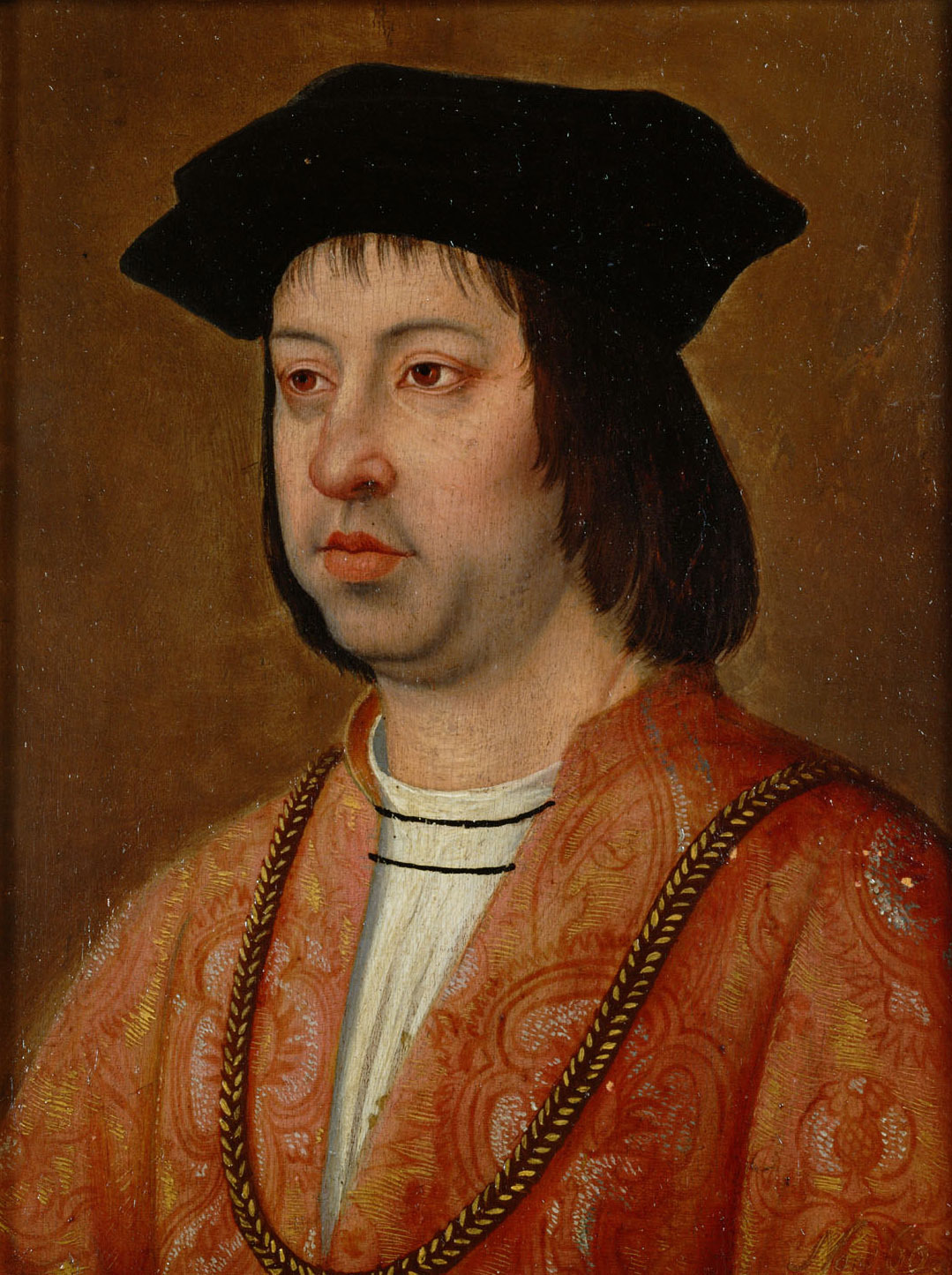
Ferdinand II's story begins not with a single kingdom, but with the complex inheritance of the Crown of Aragon. Born in the Palacio de los Sada in Sos del Rey Católico, he was the son of John II of Aragon and his second wife, Juana Enríquez. His early life was steeped in the political intrigues of the Iberian kingdoms, a crucible that forged his pragmatic and often ruthless approach to governance. The pivotal moment arrived with his marriage to Isabella I of Castile, a union that, while initially facing opposition, became the cornerstone of a future unified Spain. Upon his father's death, Ferdinand ascended to the throne of Aragon, and through his marriage, he became co-ruler of Castile, effectively creating a dual monarchy that would eventually evolve into the Kingdom of Spain. This dynastic marriage, brokered by shrewd political calculation, set the stage for the dramatic transformations that would define the late 15th and early 16th centuries.
⚙️ How It Works
The 'how it works' of Ferdinand II's reign is best understood through his masterful consolidation of power and expansionist policies. As King of Aragon, he inherited a collection of territories including Valencia, Mallorca, Sardinia, and Sicily, each with its own distinct laws and institutions. His marriage to Isabella I of Castile, while a personal union, allowed for a coordinated approach to governance and foreign policy. This joint rule, often referred to as the reign of the Catholic Monarchs, was characterized by the establishment of institutions like the Spanish Inquisition to enforce religious uniformity, and the creation of the Santa Hermandad, a rural police force that brought order to the countryside. Militarily, Ferdinand was a formidable leader, culminating in the conquest of the Emirate of Granada, ending centuries of Muslim rule in Iberia. His diplomatic acumen was equally sharp, navigating complex alliances and rivalries with France and the Holy Roman Empire, notably securing Naples for the Crown of Aragon through military campaigns.
📊 Key Facts & Numbers
Ferdinand II's reign was a period of seismic shifts, quantifiable by several key numbers. The dynastic union with Castile, solidified by his marriage to Isabella I, brought approximately 7.5 million Castilians and 1 million Aragonese under a shared, albeit not fully unified, rule. The conquest of Granada, a monumental undertaking, concluded the Reconquista after nearly 800 years. In that same year, Ferdinand and Isabella famously sponsored Christopher Columbus's voyage, which led to the discovery of the Americas, opening up a new world of trade and colonization. The Spanish Inquisition, established in 1478, conducted thousands of trials and executions, profoundly altering the religious landscape. By the time of his death, Ferdinand had expanded the Crown of Aragon's territories to include Naples, Sicily, and Sardinia, significantly increasing its Mediterranean influence.
👥 Key People & Organizations
Ferdinand II's life was shaped by a constellation of influential individuals and powerful organizations. His mother, Juana Enríquez, played a significant role in his upbringing and early political maneuvering. His wife, Queen Isabella I, was not merely a consort but a formidable co-ruler, whose piety and determination were instrumental in many of their joint policies. His father, John II of Aragon, provided a complex political inheritance and a challenging early environment. Key organizations that defined his reign included the Spanish Inquisition, a powerful ecclesiastical tribunal aimed at religious purity, and the military orders like the Order of Santiago, the Order of Calatrava, and the Order of the Golden Fleece, which he masterfully integrated into his royal authority. The House of Trastámara was the ruling dynasty he belonged to and sought to strengthen.
🌍 Cultural Impact & Influence
The cultural impact of Ferdinand II's reign is immeasurable, fundamentally reshaping the identity of Spain and its global role. The completion of the Reconquista and the subsequent expulsion of Jews and Muslims, while religiously motivated, led to a significant demographic and intellectual shift, fostering a more homogenous Catholic identity. This era also marked the beginning of Spain's global empire, initiated by Christopher Columbus's voyages, which Ferdinand and Isabella sponsored, ushering in the Age of Discovery and the vast exchange of goods, ideas, and peoples between the Old and New Worlds. The patronage of arts and sciences, though perhaps overshadowed by military and religious pursuits, saw figures like Peter Martyr d'Anghiera chronicling the new discoveries. The very concept of 'Spain' as a unified entity, though legally distinct for centuries, began to take root in the collective consciousness during his rule.
⚡ Current State & Latest Developments
While Ferdinand II is a figure of the past, his legacy continues to resonate in contemporary discussions about national identity, religious tolerance, and imperial history. The concept of a unified Spain, which he so assiduously built, is a foundational element of the modern Kingdom of Spain. Debates surrounding the Spanish Inquisition and the expulsion of minority groups remain active areas of historical and ethical inquiry, influencing contemporary understandings of religious freedom and minority rights. Furthermore, the enduring impact of the Spanish Empire, initiated under his patronage, continues to shape the cultural and linguistic landscape of Latin America and the Philippines. The ongoing study of his diplomatic strategies and military campaigns offers insights into state-building and power projection that remain relevant in international relations today.
🤔 Controversies & Debates
Ferdinand II's reign is fraught with controversy, most notably concerning the Spanish Inquisition and the religious policies enacted under his rule. The establishment of the Inquisition in 1478, ostensibly to root out heresy among conversos (Jews who had converted to Christianity), led to widespread persecution, torture, and execution, creating a climate of fear and suspicion. The subsequent expulsion of Jews and Muslims, driven by a desire for religious uniformity, resulted in the loss of significant economic and intellectual contributions to Spain. Critics argue these policies were driven by intolerance and a lust for confiscated wealth, while defenders point to the political necessity of consolidating a fractured kingdom and the prevailing religious sentiments of the era. The debate over whether Ferdinand and Isabella were genuinely devout or cynically manipulative rulers continues to this day.
🔮 Future Outlook & Predictions
The future implications of Ferdinand II's actions are deeply embedded in the ongoing evolution of Spain and its global legacy. The dynastic union he forged with Castile, though not a full legal merger until centuries later, set an irreversible course for a unified Iberian state. His sponsorship of Christopher Columbus's voyages irrevocably altered the global geopolitical and economic landscape, initiating centuries of European colonial expansion and the rise of the Americas as major world powers. The religious policies he championed, while creating a seemingly homogenous Spain in the short term, also sowed seeds of enduring cultural and political tensions. Future historical scholarship will likely continue to dissect the complex interplay of his ambition, piety, and pragmatism, offering new perspectives on his role in shaping the early modern world and the enduring consequences of his decisions on religious diversity and national identity.
💡 Practical Applications
The practical applications of Ferdinand II's reign are not found in modern technology, but in the enduring principles of statecraft, diplomacy, and nation-building. His methods of consolidating royal authority, integrating disparate territories, and projecting power through both military might and shrewd alliances offer case studies for political science and history students. The establishment of centralized institutions, such as the Santa Hermandad, demonstra
Key Facts
- Category
- history
- Type
- topic