
Contents
Overview
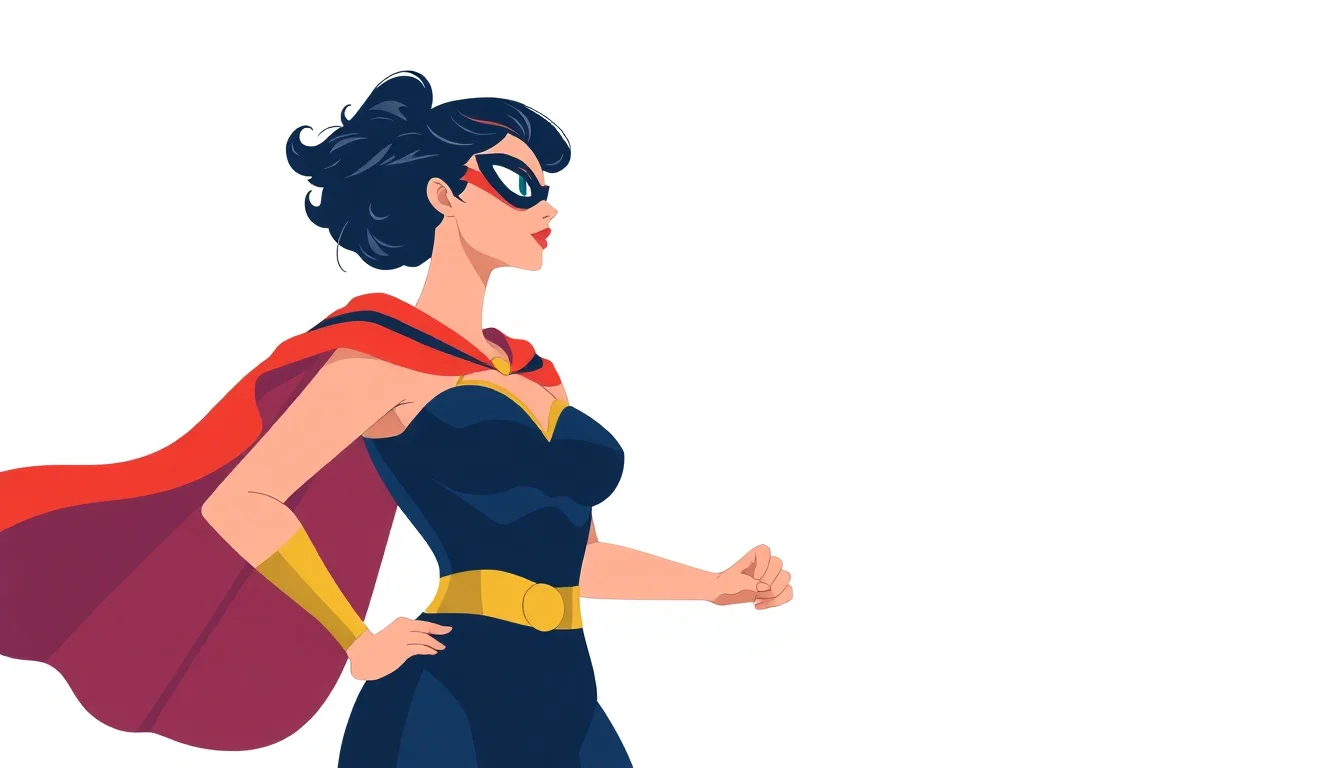
Female superheroes represent a dynamic and evolving segment of the superhero genre, challenging traditional gender roles and offering diverse perspectives on heroism. Their narratives often explore themes of empowerment, resilience, and the unique struggles faced by women, both within their fictional worlds and as reflections of societal realities. Despite historical underrepresentation and persistent debates about their portrayal, female superheroes have achieved significant cultural resonance, driving billions in box office revenue and influencing fashion, activism, and popular discourse. The ongoing evolution of these characters reflects broader shifts in gender representation and the ongoing quest for more inclusive storytelling.
🎵 Origins & History
While early comic books were dominated by male heroes, publishers soon recognized the market potential for female protagonists. Characters like Fantomah and The Invisible Scarlet O'Neil paved the way for later icons such as Wonder Woman, Supergirl, and Captain Marvel. Wonder Woman, created by William Moulton Marston, became the archetype for female superheroes, embodying strength, compassion, and feminist ideals. The 1950s saw a decline in female-led titles due to the Comics Code Authority's restrictive guidelines, but the Silver Age brought characters like Supergirl (Kara Zor-El) and Batgirl into prominence, reintroducing female powerhouses to a new generation.
⚙️ How It Works
Female superheroes operate under the same narrative and thematic frameworks as their male counterparts, yet their existence often inherently challenges established power structures. Their abilities can range from inherent superpowers like flight, super-strength, and energy manipulation, as seen with Captain Marvel (Carol Danvers) and Storm, to those derived from advanced technology, rigorous training, or mystical artifacts, exemplified by Black Widow and Zatanna. The 'how' of their heroism is often tied to their origin story: whether they are alien refugees, genetically altered individuals, or highly skilled operatives. Crucially, their narratives frequently explore the intersection of their extraordinary lives with their personal identities, navigating societal expectations, personal relationships, and the psychological toll of their dual existence, a complexity often amplified by their gender.
📊 Key Facts & Numbers
The economic impact of female superheroes is staggering. Films featuring prominent female heroes like Wonder Woman and Captain Marvel have grossed over $2 billion globally at the box office. The comic book industry, while smaller, sees consistent sales for titles featuring characters like Harley Quinn and Spider-Gwen, with some issues selling hundreds of thousands of copies. Merchandise sales, including action figures, apparel, and collectibles, contribute an additional estimated $500 million annually. Furthermore, a 2022 survey indicated that over 60% of comic book readers identify as female, a significant increase from previous decades, highlighting a growing audience for diverse representation.
👥 Key People & Organizations
Several key individuals and organizations have been instrumental in shaping the landscape of female superheroes. William Moulton Marston, the creator of Wonder Woman, infused his character with early feminist principles. Stan Lee and Jack Kirby introduced iconic figures like The Wasp (Janet van Dyne) and Black Widow to the Marvel Comics universe. More recently, creators like G. Willow Wilson, who wrote the acclaimed run of Ms. Marvel (Kamala Khan), have championed diverse and relatable female protagonists. DC Comics and Marvel Comics remain the primary publishers, while fan communities and academic scholars continue to analyze and advocate for nuanced portrayals. The Geena Davis Institute on Gender in Media has also been a vocal proponent for better representation across all media, including superhero narratives.
🌍 Cultural Impact & Influence
The cultural footprint of female superheroes extends far beyond the pages of comic books and movie screens. They have become potent symbols of empowerment, inspiring countless individuals to embrace their own strengths and challenge societal norms. Wonder Woman has been adopted as a feminist icon, appearing in political rallies and social movements. The rise of characters like Ms. Marvel (Kamala Khan), a Pakistani-American Muslim teenager, has provided crucial representation for underrepresented communities, fostering a sense of belonging and visibility. Furthermore, the visual aesthetics of female superheroes, from Harley Quinn's distinctive costume to Storm's regal presence, have influenced fashion trends and cosplay communities worldwide, demonstrating their pervasive impact on popular culture.
⚡ Current State & Latest Developments
The current landscape for female superheroes is marked by increasing prominence and a push for greater diversity. In 2024, major comic publishers like Marvel Comics and DC Comics continue to feature female-led titles prominently in their release schedules, with characters like Spider-Woman and Batgirl headlining their own series. The film and television sector has seen a surge in female-centric projects, with recent successes like the Ms. Marvel Disney+ series and the upcoming Wonder Woman 3 film. There's a growing emphasis on exploring the complexities of these characters beyond their powers, delving into their personal lives, mental health, and intersectional identities. This trend is further fueled by a more diverse generation of creators and a vocal fan base demanding authentic representation.
🤔 Controversies & Debates
The portrayal and representation of female superheroes remain a subject of ongoing debate. Criticisms often center on the historical tendency for female characters to be sexualized, relegated to supporting roles, or defined primarily by their relationships with male heroes. The 'fridging' trope, where female characters are killed or harmed to motivate male heroes, has been a persistent issue. While progress has been made, discussions continue regarding the balance between empowering narratives and maintaining traditional superhero tropes. Questions also arise about the authenticity of representation when creators from dominant demographics tell stories about marginalized female characters. The debate is further complicated by the commercial pressures of the industry, which can sometimes prioritize marketability over nuanced character development.
🔮 Future Outlook & Predictions
The future of female superheroes appears robust, with a clear trajectory towards greater diversity and complexity. We can anticipate more characters from varied cultural backgrounds, sexual orientations, and gender identities taking center stage. The ongoing success of films and series like The Marvels suggests a strong audience appetite for ensemble casts featuring powerful women. Furthermore, advancements in interactive media, such as virtual reality and augmented reality experiences, offer new avenues for immersive storytelling that could further empower female protagonists. The increasing presence of female creators in the industry is likely to drive more authentic and multifaceted narratives, ensuring that female superheroes continue to evolve and resonate with audiences for generations to come.
💡 Practical Applications
Female superheroes serve as powerful role models and inspirations, demonstrating practical applications of courage, resilience, and ethical leadership. Their stories are utilized in educational settings to teach children about important values like justice, empathy, and perseverance. In the realm of activism, characters like Wonder Woman have been co-opted as symbols for feminist movements, advocating for gender equality and social justice. Cosplay communities leverage the visual design of these characters to foster creativity and self-expression. Furthermore, the narrative structures and characte
Key Facts
- Category
- culture
- Type
- topic