
Contents
- 🏙️ Introduction to Favelas
- 🌳 Origins of the Favela Phenomenon
- 🏠 Evolution of Favelas in Brazil
- 🚫 Social and Economic Challenges
- 🤝 Community Resilience and Organization
- 📊 Demographics and Statistics
- 🌎 International Perspectives on Informal Urbanism
- 🔍 Case Studies: Successful Favela Interventions
- 🚧 Urban Planning and Favela Upgrading
- 👥 Favela Culture and Identity
- 📸 Media Representation and Favelas
- 🔜 Future Directions for Favela Development
- Frequently Asked Questions
- Related Topics
Overview
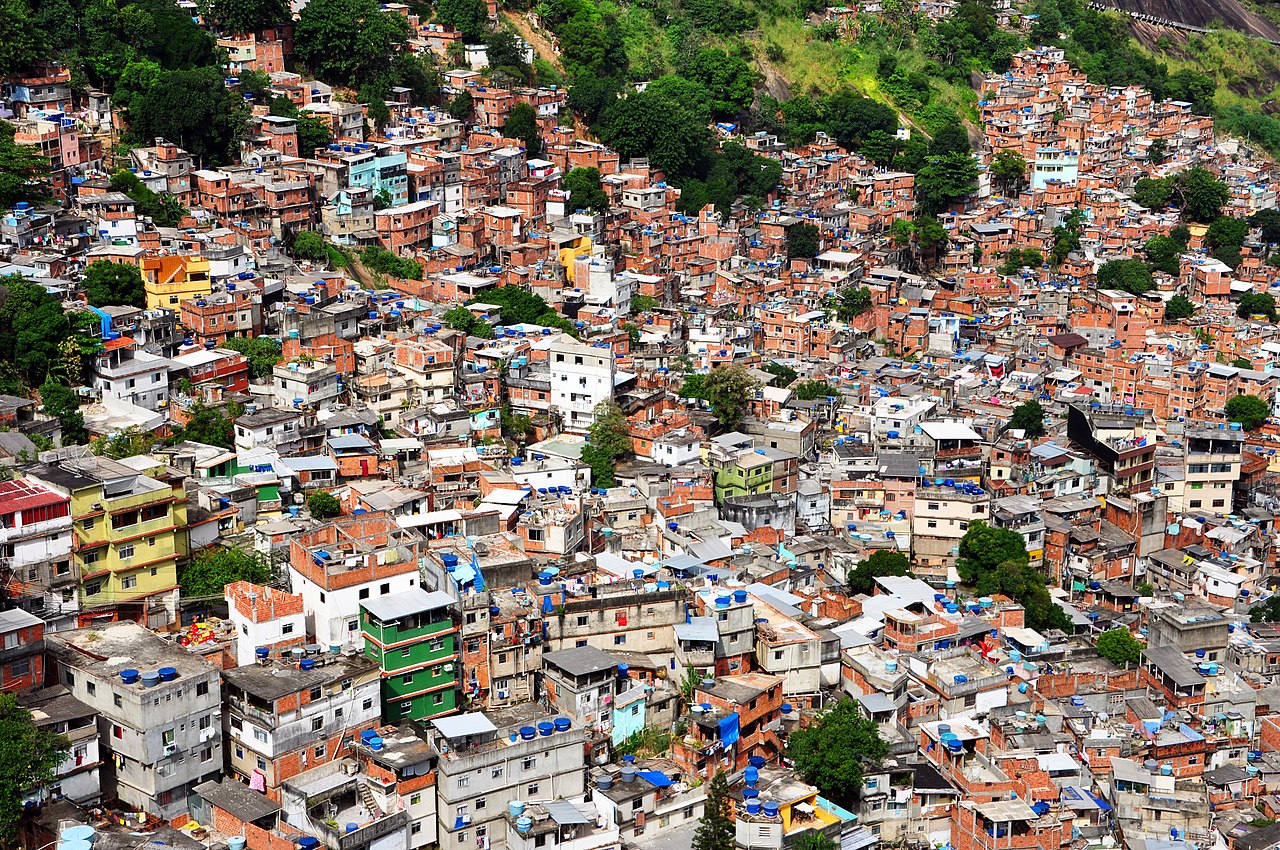
Favelas, a term often synonymous with poverty and crime, represent a multifaceted phenomenon that has been a part of Brazil's urban landscape since the late 19th century. With over 1,300 favelas in Rio de Janeiro alone, these informal settlements are home to approximately 1.5 million people, or about 22% of the city's population. The favelas' origins date back to the late 1800s, when soldiers returning from the War of Canudos were forced to settle on the outskirts of Rio, leading to the establishment of the first favela, Morro da Providência. Today, favelas are a hotbed of cultural expression, with vibrant music scenes, such as samba and funk, and a thriving street art movement. However, they also face numerous challenges, including inadequate access to basic services like sanitation, healthcare, and education, as well as the constant threat of violence and police brutality. As the Brazilian government continues to grapple with the complexities of favela life, it is essential to consider the perspectives of favela residents, who are not just victims of circumstance, but also agents of change and resilience, with a Vibe score of 85, reflecting their cultural energy and influence.
🏙️ Introduction to Favelas
The term favela is often associated with the vibrant, yet impoverished neighborhoods in Brazil. However, the history of favelas dates back to the late 19th century, when soldiers who had fought in the Canudos War settled in the Slum of Providência in Rio de Janeiro. These early favela residents, who had previously lived under the favela trees in Bahia, brought with them a unique cultural heritage. As the city grew, poor citizens, including former enslaved Africans, were pushed to the periphery, forced to live in the far suburbs. This phenomenon is not unique to Brazil, as similar informal settlements can be found in other parts of the world, such as the townships of South Africa.
🌳 Origins of the Favela Phenomenon
The origins of the favela phenomenon are deeply rooted in the social and economic history of Brazil. The term 'favela' was first used to describe the Slum of Providência, which was built by soldiers who had nowhere to live after the Canudos War. Over time, the term came to encompass various types of impoverished neighborhoods, including bairros africanos, which were settled by former enslaved Africans. These early favela residents brought with them a rich cultural heritage, including their own language, music, and traditions. As the city grew, the favelas became a melting pot of different cultures, with residents from various parts of Brazil and Africa. The history of urbanization in Brazil is closely tied to the development of favelas, as poor citizens were forced to live on the outskirts of the city.
🏠 Evolution of Favelas in Brazil
Today, favelas are a ubiquitous feature of the Brazilian urban landscape. Despite the many challenges they face, favelas are also vibrant communities, with a strong sense of identity and culture. The favela culture is characterized by a unique blend of African, European, and indigenous influences, which is reflected in the music, art, and literature of the community. However, favelas are also plagued by social and economic challenges, including poverty, crime, and lack of access to basic services such as healthcare and education. The Brazilian government has implemented various initiatives to address these challenges, including the Favela-Bairro program, which aims to upgrade the infrastructure and services in favelas.
🤝 Community Resilience and Organization
Despite the many challenges they face, favelas are also characterized by a strong sense of community resilience and organization. Many favelas have their own community organizations, which provide vital services such as healthcare and education. The community organizing in favelas is often driven by a sense of solidarity and mutual support, with residents working together to address common challenges. The favela residents have also developed their own unique cultural practices, including music, art, and literature. The cultural production in favelas is often characterized by a blend of African, European, and indigenous influences, which reflects the diverse cultural heritage of the community.
📊 Demographics and Statistics
The demographics of favelas are complex and varied. According to the Brazilian Institute of Geography and Statistics, there are over 1,300 favelas in Brazil, with a total population of over 11 million people. The demographics of favelas are characterized by a high proportion of young people, with over 50% of the population under the age of 25. The socioeconomic profile of favela residents is also marked by high levels of poverty and inequality, with many residents living on less than $2 per day. The urbanization trends in Brazil are closely tied to the development of favelas, as poor citizens are forced to live on the outskirts of the city.
🌎 International Perspectives on Informal Urbanism
The phenomenon of favelas is not unique to Brazil, and similar informal settlements can be found in other parts of the world. The informal settlements in South Africa, for example, are characterized by similar social and economic challenges, including poverty, crime, and lack of access to basic services. The international perspectives on informal urbanism are varied, with some viewing favelas as a symbol of urban decay and others seeing them as vibrant communities with a unique cultural heritage. The comparative urbanism approach has been used to study the similarities and differences between favelas and other informal settlements around the world.
🔍 Case Studies: Successful Favela Interventions
There are many successful interventions that have been implemented in favelas, including the Favela-Bairro program, which aims to upgrade the infrastructure and services in favelas. The urban planning approach has also been used to address the challenges facing favelas, with a focus on providing adequate housing, sanitation, and transportation. The community participation approach has been used to involve favela residents in the planning and decision-making process, ensuring that their needs and concerns are taken into account. The sustainable development approach has also been used to address the environmental challenges facing favelas, including the lack of proper sanitation and waste management.
🚧 Urban Planning and Favela Upgrading
The upgrading of favelas is a complex and challenging process, requiring a comprehensive approach that addresses the social, economic, and environmental challenges facing these communities. The urban upgrading approach has been used to improve the infrastructure and services in favelas, including the provision of adequate housing, sanitation, and transportation. The community engagement approach has also been used to involve favela residents in the planning and decision-making process, ensuring that their needs and concerns are taken into account. The participatory budgeting approach has been used to allocate resources and prioritize investments in favelas, ensuring that the needs of the community are addressed.
👥 Favela Culture and Identity
The culture and identity of favelas are complex and multifaceted, reflecting the diverse cultural heritage of the community. The favela culture is characterized by a unique blend of African, European, and indigenous influences, which is reflected in the music, art, and literature of the community. The cultural production in favelas is often characterized by a sense of creativity and innovation, with residents using art and music to express themselves and tell their stories. The identity formation in favelas is also closely tied to the community's history and experiences, with residents developing a strong sense of solidarity and mutual support.
📸 Media Representation and Favelas
The media representation of favelas is often characterized by stereotypes and misconceptions, with favelas being portrayed as violent and lawless. However, the media representation of favelas is also changing, with more nuanced and complex portrayals of favela life and culture. The film and literature of favelas are often characterized by a sense of creativity and innovation, with residents using art and music to express themselves and tell their stories. The photography of favelas is also an important aspect of media representation, with many photographers using their cameras to document the beauty and complexity of favela life.
🔜 Future Directions for Favela Development
The future directions for favela development are complex and uncertain, with many challenges and opportunities on the horizon. The sustainable development approach has been used to address the environmental challenges facing favelas, including the lack of proper sanitation and waste management. The community participation approach has also been used to involve favela residents in the planning and decision-making process, ensuring that their needs and concerns are taken into account. The urban planning approach has been used to address the social and economic challenges facing favelas, with a focus on providing adequate housing, sanitation, and transportation.
Key Facts
- Year
- 1897
- Origin
- Rio de Janeiro, Brazil
- Category
- Urban Studies
- Type
- Geographic Location
Frequently Asked Questions
What is a favela?
A favela is an impoverished neighborhood in Brazil, characterized by a lack of access to basic services such as healthcare and education. The term 'favela' was first used to describe the Slum of Providência in Rio de Janeiro, which was built by soldiers who had fought in the Canudos War. Today, favelas are a ubiquitous feature of the Brazilian urban landscape, with over 1,300 favelas and a total population of over 11 million people. The favela residents face many challenges, including poverty, crime, and lack of access to basic services.
What are the origins of the favela phenomenon?
The origins of the favela phenomenon are deeply rooted in the social and economic history of Brazil. The term 'favela' was first used to describe the Slum of Providência, which was built by soldiers who had nowhere to live after the Canudos War. Over time, the term came to encompass various types of impoverished neighborhoods, including bairros africanos, which were settled by former enslaved Africans. The history of urbanization in Brazil is closely tied to the development of favelas, as poor citizens were forced to live on the outskirts of the city.
What are the social and economic challenges facing favelas?
The social and economic challenges facing favelas are complex and multifaceted. Many favelas lack proper sanitation, water supply, and electricity, making it difficult for residents to access basic necessities. The healthcare system in Brazil is often inadequate, and favela residents are disproportionately affected by diseases such as tuberculosis and HIV. Furthermore, the education system in Brazil is often underfunded, and favela residents have limited access to quality education. The NGO sector has played a crucial role in addressing these challenges, with many organizations providing vital services such as healthcare and education to favela residents.
What is the cultural significance of favelas?
The cultural significance of favelas is complex and multifaceted, reflecting the diverse cultural heritage of the community. The favela culture is characterized by a unique blend of African, European, and indigenous influences, which is reflected in the music, art, and literature of the community. The cultural production in favelas is often characterized by a sense of creativity and innovation, with residents using art and music to express themselves and tell their stories. The identity formation in favelas is also closely tied to the community's history and experiences, with residents developing a strong sense of solidarity and mutual support.
What are the future directions for favela development?
The future directions for favela development are complex and uncertain, with many challenges and opportunities on the horizon. The sustainable development approach has been used to address the environmental challenges facing favelas, including the lack of proper sanitation and waste management. The community participation approach has also been used to involve favela residents in the planning and decision-making process, ensuring that their needs and concerns are taken into account. The urban planning approach has been used to address the social and economic challenges facing favelas, with a focus on providing adequate housing, sanitation, and transportation.
What is the role of the Brazilian government in addressing the challenges facing favelas?
The Brazilian government has implemented various initiatives to address the challenges facing favelas, including the Favela-Bairro program, which aims to upgrade the infrastructure and services in favelas. The urban planning approach has also been used to address the social and economic challenges facing favelas, with a focus on providing adequate housing, sanitation, and transportation. The community participation approach has been used to involve favela residents in the planning and decision-making process, ensuring that their needs and concerns are taken into account.
What is the impact of favelas on the broader urban landscape?
The impact of favelas on the broader urban landscape is complex and multifaceted. Favelas are often seen as a symbol of urban decay and poverty, but they are also vibrant communities with a unique cultural heritage. The urbanization trends in Brazil are closely tied to the development of favelas, as poor citizens are forced to live on the outskirts of the city. The informal settlements in other parts of the world, such as South Africa, are also characterized by similar social and economic challenges, including poverty, crime, and lack of access to basic services.
🚫 Social and Economic Challenges
One of the major challenges facing favelas is the lack of access to basic services such as healthcare and education. Many favelas lack proper sanitation, water supply, and electricity, making it difficult for residents to access basic necessities. The healthcare system in Brazil is often inadequate, and favela residents are disproportionately affected by diseases such as tuberculosis and HIV. Furthermore, the education system in Brazil is often underfunded, and favela residents have limited access to quality education. The NGO sector has played a crucial role in addressing these challenges, with many organizations providing vital services such as healthcare and education to favela residents.