
Contents
Overview
The genesis of fast casual can be traced back to the late 1980s and early 1990s, a period when consumers began to express a desire for food that was both quick and of superior quality to the standardized offerings of major fast-food chains like McDonald's. While the exact moment of its birth is debated, the concept solidified with the emergence of pioneers. Chipotle Mexican Grill, launched by Steve Ells in Denver, Colorado, is widely credited with popularizing the model by focusing on fresh, high-quality ingredients and a customizable assembly-line format. Another significant early player was Panera Bread, which, under the leadership of Ron Shaich, evolved from its original bakery-cafe concept in 1987 into a prominent fast-casual chain by the late 1990s, emphasizing artisan breads and a comfortable atmosphere. These early ventures laid the groundwork for a sector that would redefine convenient dining.
⚙️ How It Works
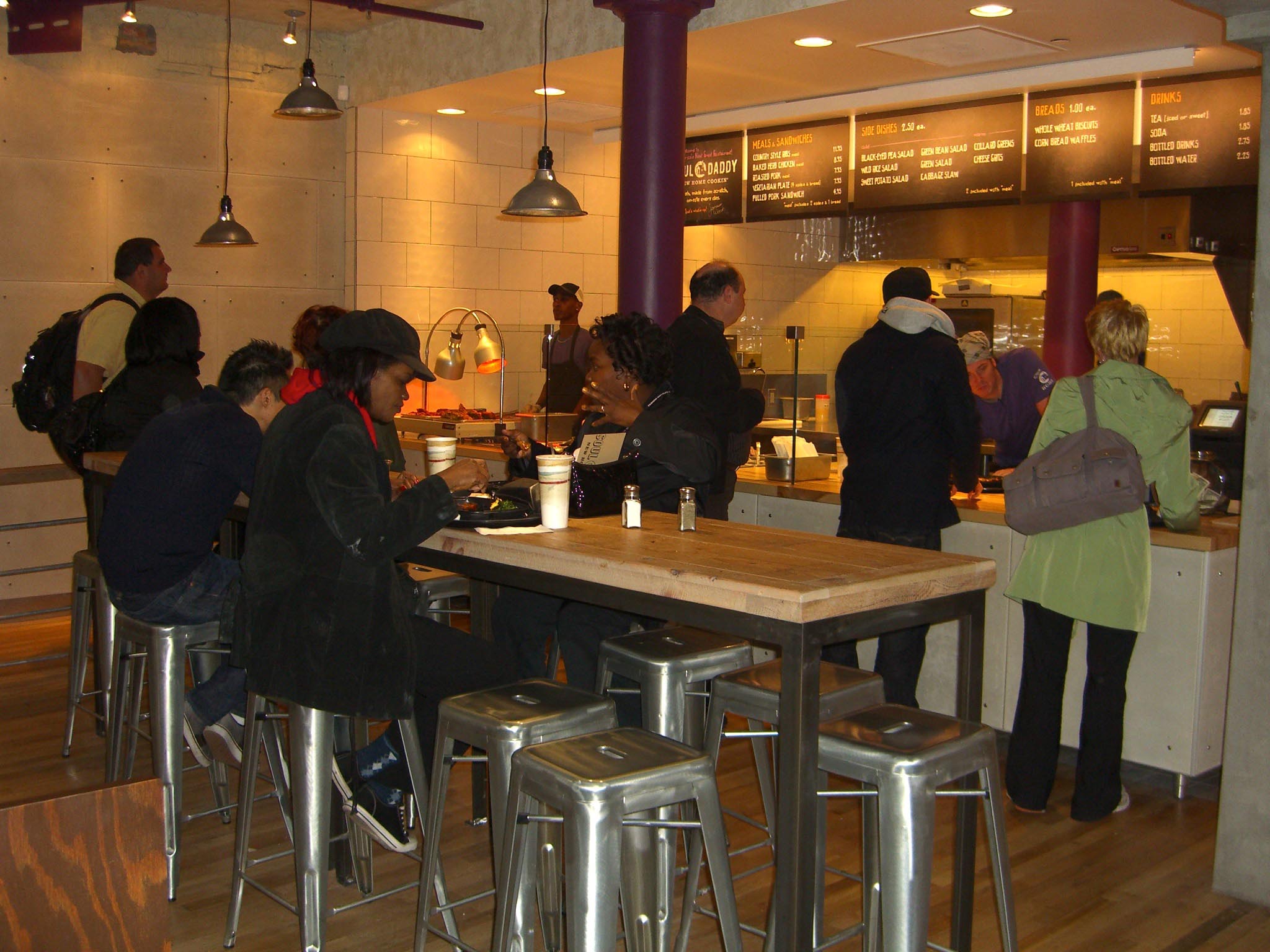
At its core, fast casual operates on a streamlined service model that eschews traditional table service. Customers typically order at a counter or through a digital interface, then either pick up their food at the counter or have it brought to their table. The kitchen operations are designed for speed and efficiency, often featuring an assembly-line setup where customers can customize their meals with various ingredients, as seen at places like Qdoba Mexican Eats and Cava. This allows for a high degree of personalization while maintaining rapid throughput. The ambiance is generally more upscale than fast food, with better seating, decor, and music, creating a more inviting environment for dine-in customers. The emphasis is on fresh preparation, often with visible kitchens showcasing ingredients, a stark contrast to the often-hidden preparation areas of traditional fast-food establishments.
📊 Key Facts & Numbers
The fast-casual market is a titan in the food industry. In the United States alone, the sector accounts for a significant portion of the overall restaurant market, with chains like Chipotle reporting annual revenues in the billions of dollars. The average check size in fast casual typically ranges from $10 to $20 per person, a notable increase from the $5 to $10 average at fast-food restaurants. This segment has experienced an average annual growth rate of around 10% over the past decade, outpacing both fast food and full-service dining in many markets. Approximately 40% of consumers now report frequenting fast-casual establishments at least once a week.
👥 Key People & Organizations
Several key figures and organizations have shaped the fast-casual landscape. Steve Ells, the founder of Chipotle Mexican Grill, is a pivotal figure, pioneering the "food with integrity" ethos and the customizable assembly line that became a blueprint for many subsequent brands. Ron Shaich, the driving force behind Panera Bread, transformed the bakery-cafe into a dominant fast-casual player, emphasizing community and a more refined dining experience. Other influential organizations include the National Restaurant Association, which tracks industry trends and provides data, and major investment firms like Warburg Pincus and Apollo Global Management, which have heavily invested in and acquired prominent fast-casual chains, fueling their expansion. The success of brands like Shake Shack and Sweetgreen also highlights the entrepreneurial spirit within this sector.
🌍 Cultural Impact & Influence
Fast casual has profoundly influenced consumer dining habits and expectations worldwide. It has elevated the standard for quick-service food, pushing traditional fast-food chains to improve ingredient quality and menu variety, a phenomenon often referred to as the "Chipotle effect." The emphasis on transparency in sourcing and preparation, championed by brands like Sweetgreen with its focus on local and seasonal produce, has fostered a more informed and health-conscious consumer base. Furthermore, the rise of fast casual has spurred innovation in restaurant design and technology, with many chains adopting online ordering, mobile apps, and sophisticated loyalty programs, influencing the entire hospitality sector. This segment has also made global cuisines more accessible and customizable, introducing diverse flavors to a broader audience.
⚡ Current State & Latest Developments
The fast-casual sector continues its dynamic evolution in 2024 and beyond. Many brands are doubling down on technology, integrating AI for personalized marketing and optimizing kitchen operations, with companies like Chipotle experimenting with robotic kitchen assistants. Delivery and off-premise dining remain critical, with chains forging stronger partnerships with third-party delivery services like DoorDash and Uber Eats, or developing their own robust delivery infrastructure. There's also a growing focus on sustainability, with brands increasingly highlighting eco-friendly packaging and ethical sourcing practices. The market is also seeing continued consolidation, with larger corporations acquiring successful smaller chains to expand their portfolios, while new concepts continue to emerge, often specializing in niche cuisines or dietary needs, such as plant-based or gluten-free options.
🤔 Controversies & Debates
The fast-casual model is not without its controversies and debates. A significant point of contention has been labor practices, with some chains facing scrutiny over wages, benefits, and unionization efforts, particularly in the wake of increased demand and profitability. The sourcing of ingredients, while often touted as ethical and sustainable, can also be a point of debate, with critics questioning the true impact of supply chains and the definition of "fresh" or "natural." Furthermore, the rapid expansion of some chains has led to concerns about gentrification and the impact on local, independent restaurants. The reliance on third-party delivery services also raises questions about profitability and the fees charged to both restaurants and consumers. The debate over whether fast casual truly offers healthier options compared to traditional fast food, given portion sizes and ingredient choices, also persists.
🔮 Future Outlook & Predictions
The future of fast casual appears robust, with continued innovation and expansion on the horizon. Experts predict further integration of artificial intelligence and automation to enhance efficiency and customer experience, potentially leading to "ghost kitchens" or "dark kitchens" that operate solely for delivery. The demand for healthier, plant-based, and ethically sourced options will likely drive menu diversification and ingredient innovation. We can expect to see more specialized fast-casual concepts emerge, catering to hyper-specific dietary needs or culinary trends, potentially leading to further market segmentation. Geographic expansion, particularly into international markets, will continue to be a key growth strategy for many established brands. The challenge will be maintaining quality and brand integrity amidst rapid scaling and evolving consumer preferences.
💡 Practical Applications
Fast casual's influence extends beyond just dining out. Its principles are applied in various service industries seeking to blend efficiency with a premium experience. For instance, the "build-your-own" model seen in fast-casual restaurants has inspired similar approaches in retail, where customers can customize products. The emphasis on ingredient transparency and quality has also influenced grocery stores and food manufacturers. In the realm of technology, the seamless integration of ordering apps, loyalty programs, and data analytics pioneered by fast-casual brands serves as a model for customer engagement strategies across different sectors. The concept of "affordable luxury" – offering a taste of higher quality without the prohibitive cost – is a core tenet that resonates bro
Key Facts
- Category
- vibes
- Type
- topic