
Contents
Overview
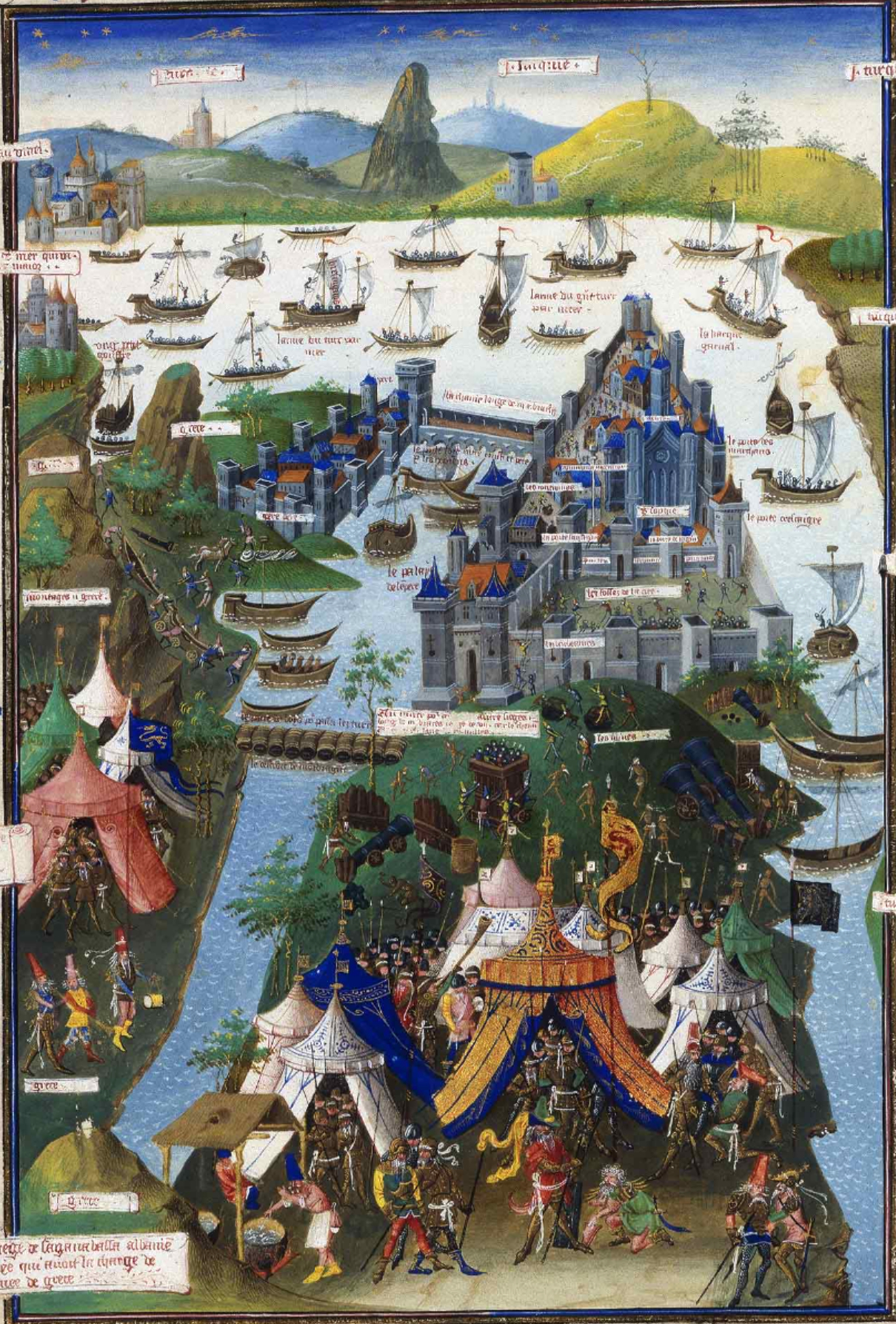
The Fall of Constantinople was the culmination of a long series of conflicts between the Byzantine Empire and the Ottoman Empire, with key figures like Mehmed II and Constantine XI Palaiologos playing crucial roles. The city's strategic location on the Bosphorus Strait made it a prized possession for both empires. As the Ottoman Empire expanded its territories, it eventually surrounded Constantinople, leading to the 53-day siege that began on 6 April 1453. The siege was a testament to the engineering prowess of the Ottomans, who used advanced cannons like the Basilica Cannon to breach the city walls.
⚔️ The Siege of Constantinople
The siege of Constantinople was a complex and multifaceted event, with various factions and interests at play. The Byzantine army, led by Constantine XI Palaiologos, was significantly outnumbered by the Ottoman forces, but they had the advantage of defending a heavily fortified city. The Ottomans, on the other hand, had the support of Janissaries, an elite corps of soldiers who were instrumental in the conquest. The siege was also marked by the use of innovative technologies, such as the trebuchet, which was used by the Ottomans to launch projectiles at the city walls.
🌍 Cultural Impact
The fall of Constantinople had a profound impact on European culture and society. The city's capture marked the end of the Byzantine Empire, which had been a major center of learning and culture for over a thousand years. The event also led to a significant shift in the balance of power in Europe, with the Ottoman Empire emerging as a major player. The fall of Constantinople also had a profound impact on the development of Renaissance humanism, as many Byzantine scholars fled to Italy, bringing with them their knowledge of classical Greek and Roman texts. This, in turn, influenced the work of scholars like Marsilio Ficino and Pico della Mirandola.
🔮 Legacy & Future
The legacy of the Fall of Constantinople can still be seen today, with the city remaining a major cultural and historical center. The event marked the beginning of the early modern period, and its impact can be seen in the development of modern nation-states and the rise of Ottoman Empire as a major world power. The fall of Constantinople also had a profound impact on the development of Islamic art and architecture, as the Ottomans incorporated Byzantine styles and motifs into their own buildings, such as the Hagia Sophia. As we look to the future, it is clear that the Fall of Constantinople will continue to be an important topic of study and reflection, with its legacy shaping our understanding of the modern world.
Key Facts
- Year
- 1453
- Origin
- Constantinople, Byzantine Empire
- Category
- history
- Type
- event
Frequently Asked Questions
What was the significance of the Fall of Constantinople in European history?
The Fall of Constantinople marked the end of the Byzantine Empire and the beginning of the early modern period. It had a profound impact on European culture and society, leading to a significant shift in the balance of power and the development of Renaissance humanism. The event also led to the rise of the Ottoman Empire as a major world power, with Mehmed II playing a crucial role in shaping the empire's expansion.
Who were the key figures involved in the Fall of Constantinople?
The key figures involved in the Fall of Constantinople were Mehmed II, the leader of the Ottoman Empire, and Constantine XI Palaiologos, the last Emperor of the Byzantine Empire. Other important figures included Janissaries, an elite corps of soldiers who played a crucial role in the conquest, and Marsilio Ficino, a Renaissance scholar who was influenced by the Byzantine scholars who fled to Italy after the fall of Constantinople.
What was the impact of the Fall of Constantinople on the development of Renaissance humanism?
The Fall of Constantinople had a significant impact on the development of Renaissance humanism. Many Byzantine scholars fled to Italy, bringing with them their knowledge of classical Greek and Roman texts. This led to a renewed interest in classical learning and the development of Renaissance humanism, with scholars like Marsilio Ficino and Pico della Mirandola playing important roles in shaping the movement.
What is the legacy of the Fall of Constantinople today?
The legacy of the Fall of Constantinople can still be seen today, with the city remaining a major cultural and historical center. The event marked the beginning of the early modern period, and its impact can be seen in the development of modern nation-states and the rise of the Ottoman Empire as a major world power. The fall of Constantinople also had a profound impact on the development of Islamic art and architecture, with the Ottomans incorporating Byzantine styles and motifs into their own buildings, such as the Hagia Sophia.
How did the Fall of Constantinople influence the development of Islamic art and architecture?
The Fall of Constantinople had a significant impact on the development of Islamic art and architecture, as the Ottomans incorporated Byzantine styles and motifs into their own buildings. The Hagia Sophia, for example, was converted into a mosque and became a model for Ottoman architecture. The event also led to the development of new artistic styles, such as the Ottoman architecture, which blended Byzantine and Islamic influences.