
Contents
Overview
The Facial Action Coding System (FACS) was developed by Paul Ekman and Wallace Friesen in the 1970s, building on the work of earlier researchers like Charles Darwin and Silvan Tomkins. FACS provides a detailed framework for analyzing facial expressions, breaking down the face into individual action units (AUs) that can be combined to describe a wide range of emotions. This system has been widely adopted in fields like psychology, neuroscience, and computer science, with applications in areas such as emotion recognition, human-computer interaction, and social robotics, as seen in the work of researchers like Dr. Rosalind Picard and Dr. Cynthia Breazeal.
👥 Development and History
The development of FACS was influenced by the work of earlier researchers, including Charles Darwin, who wrote about the universality of facial expressions in his book 'The Expression of Emotions in Man and Animals'. Ekman and Friesen built on this foundation, conducting extensive research on facial expressions and developing the FACS system. Their work has been widely cited and has had a significant impact on our understanding of emotions and social interactions, with notable applications in fields like marketing, where companies like Google and Facebook use FACS to analyze user responses to advertisements, and in the development of artificial intelligence, where researchers like Dr. Yann LeCun and Dr. Fei-Fei Li use FACS to improve emotion recognition in AI systems.
💻 Applications in Technology
FACS has been applied in various technological contexts, including facial recognition software, human-computer interaction, and social robotics. For example, companies like Apple and Microsoft use FACS to develop more accurate and nuanced facial recognition systems, while researchers like Dr. Hiroshi Ishiguro and Dr. Cynthia Breazeal use FACS to develop more human-like social robots. Additionally, FACS has been used in the development of affective computing systems, which aim to recognize and respond to human emotions, as seen in the work of researchers like Dr. Rosalind Picard and Dr. Alex Pentland.
🧠 Implications for Emotion Understanding
The implications of FACS for our understanding of emotions and social interactions are significant. By providing a standardized way to analyze and interpret facial expressions, FACS has allowed researchers to better understand the complexities of human emotion and to develop more effective methods for recognizing and responding to emotional cues. This has important implications for fields like psychology, education, and healthcare, where understanding and responding to emotional needs is critical, as seen in the work of researchers like Dr. Lisa Feldman Barrett and Dr. Simon Baron-Cohen, who use FACS to study the neural basis of emotion and social cognition.
Key Facts
- Year
- 1970s
- Origin
- United States
- Category
- science
- Type
- concept
Frequently Asked Questions
What is FACS?
The Facial Action Coding System (FACS) is a method for analyzing and interpreting human facial expressions, developed by Paul Ekman and Wallace Friesen.
What are action units?
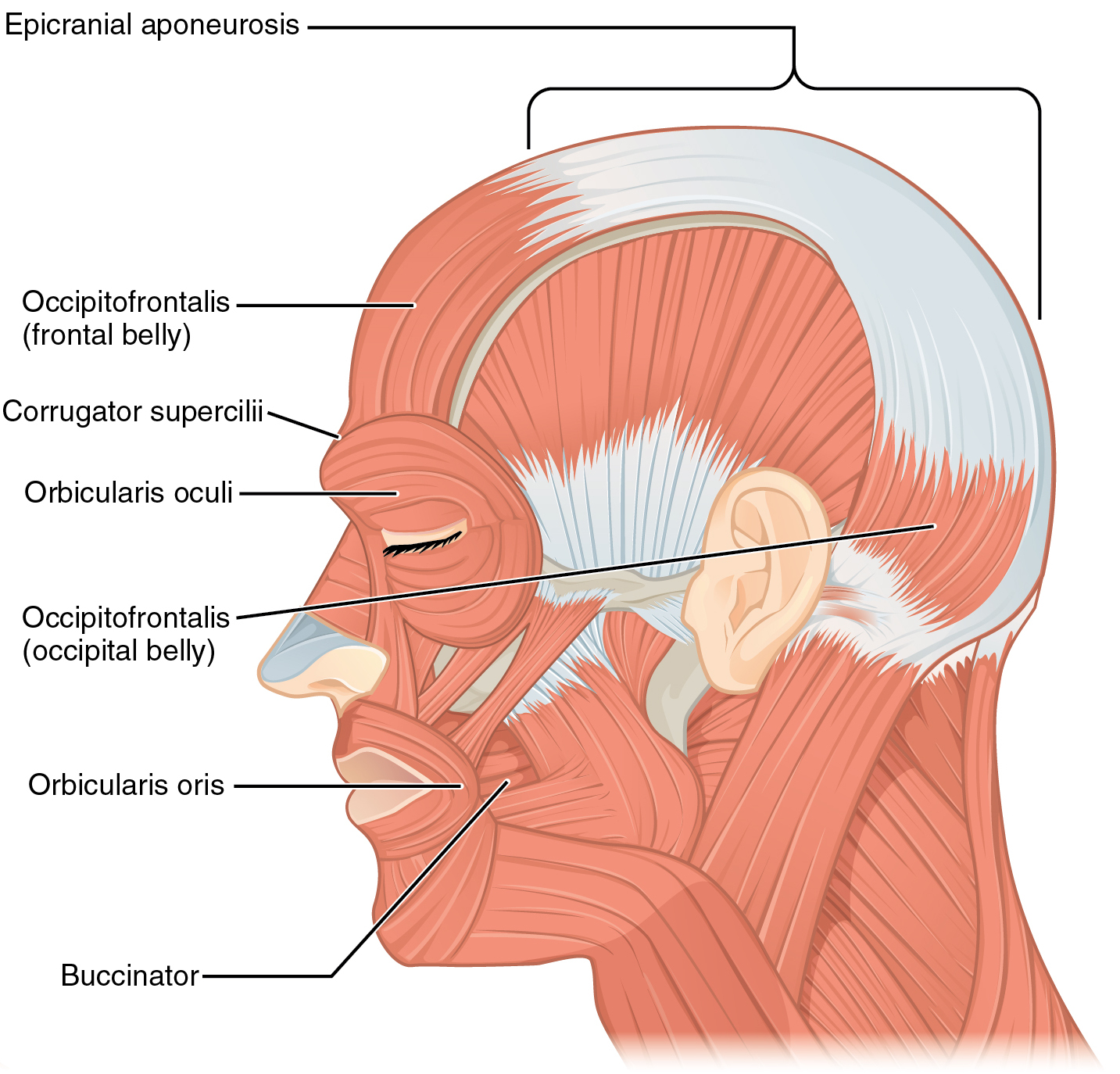
Action units (AUs) are the individual facial movements that are used to describe facial expressions in FACS, such as the raising of the eyebrows or the curling of the lip.
How is FACS used in technology?
FACS is used in various technological contexts, including facial recognition software, human-computer interaction, and social robotics, to develop more accurate and nuanced systems for recognizing and responding to human emotions.
What are the implications of FACS for our understanding of emotions?
FACS has significant implications for our understanding of emotions and social interactions, providing a standardized way to analyze and interpret facial expressions and allowing researchers to better understand the complexities of human emotion.
Who are some notable researchers who have contributed to FACS?
Notable researchers who have contributed to FACS include Paul Ekman, Wallace Friesen, Lisa Feldman Barrett, Simon Baron-Cohen, and Rosalind Picard, among others.