
Contents
Overview
Exhibitors are the crucial intermediaries who bring content to audiences, historically encompassing movie theaters, but now extending to digital platforms and event organizers. Their role is to license, present, and monetize creative works, from films and music to video games and live performances. The business of exhibiting has evolved dramatically, moving from the physical distribution of film reels by companies like Loew's Inc. to the complex digital rights management of streaming services like Netflix. Exhibitors face constant pressure to adapt to changing consumer habits, technological advancements, and the ever-shifting landscape of content creation and distribution, making their position a perpetual balancing act between artistic access and commercial viability.
🎵 Origins & History
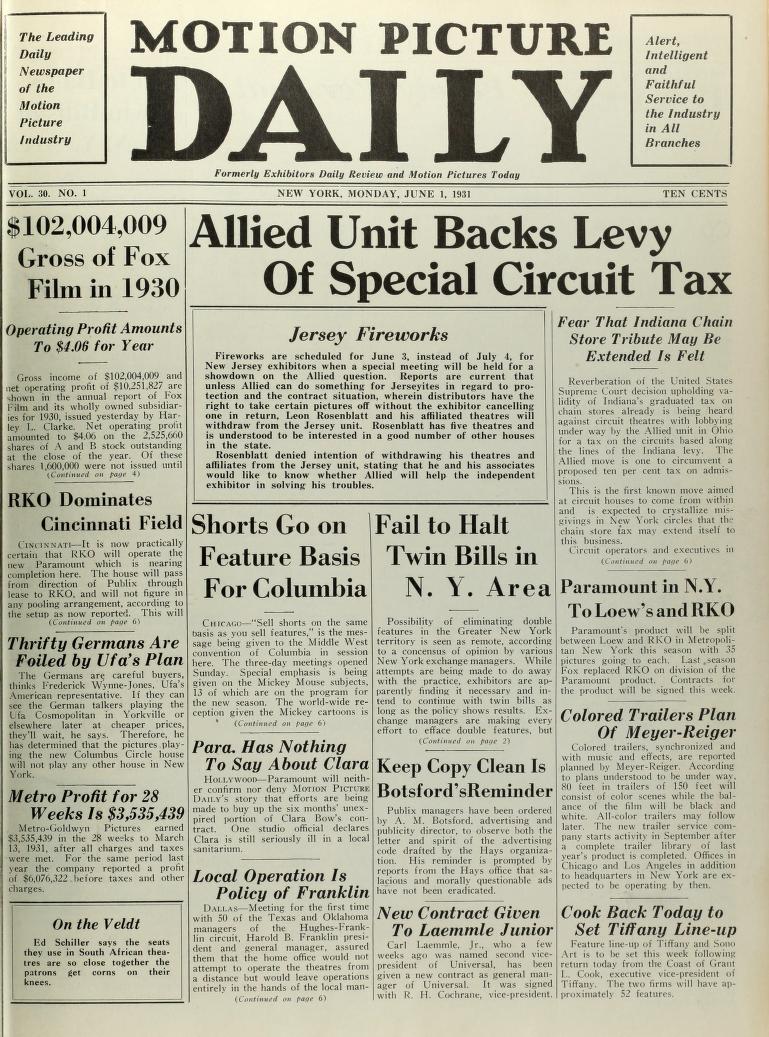
The concept of the exhibitor is as old as public entertainment itself, but its modern iteration solidified with the advent of cinema. Early film exhibitors were often theater owners responsible for acquiring and screening films, a role that evolved rapidly from nickelodeons to grand movie palaces. Publications like Motion Picture Daily chronicled the business of these early cinema operators. These pioneers navigated complex distribution deals with studios like Warner Bros. and Paramount Pictures, shaping the very way audiences consumed visual narratives. The transition from silent films to talkies, and later to color and widescreen formats, placed further demands on exhibitors to invest in new technologies and infrastructure.
⚙️ How It Works
At its core, exhibiting involves securing the rights to display or distribute content and then making it accessible to an audience. For film exhibitors, this means negotiating licensing agreements with distributors and studios, managing screening schedules, and maintaining the physical or digital infrastructure of their venues. In the music industry, exhibitors range from concert promoters and venue owners like Live Nation to streaming platforms like Spotify that license music from record labels. Video game exhibitors, whether physical retailers like GameStop or digital storefronts such as Steam, acquire rights from developers and publishers to sell or stream their games. The process requires significant capital investment, logistical coordination, and a keen understanding of market demand.
📊 Key Facts & Numbers
The global box office revenue for films has seen a significant rebound from pandemic lows. In the music industry, global recorded music revenues were substantial in 2023, with streaming accounting for a significant portion of that total. The video game market is projected to continue its growth, with digital sales comprising the vast majority. Live events, encompassing concerts, theater, and sports, represent another massive segment, though precise figures vary widely by source and scope.
👥 Key People & Organizations
Historically, figures like Marcus Loew, founder of Loew's Inc., and Harry Warner were pivotal figures who shaped the early film industry. Today, leaders like Bob Iger (CEO of The Walt Disney Company) and Neil Blumenthal (co-founder of Warby Parker, a model for direct-to-consumer exhibiting) represent the evolution of exhibition. Major organizations such as the National Association of Theatre Owners (NATO) advocate for cinema exhibitors, while digital giants like Google (owner of YouTube) and Amazon (owner of Twitch) are dominant forces in digital content exhibition. Prominent independent cinema chains like Landmark Cinemas also play a vital role in showcasing diverse film content.
🌍 Cultural Impact & Influence
Exhibitors have profoundly shaped cultural consumption patterns. The widespread availability of films in theaters created a shared public experience, fostering national and global cultural touchstones. The rise of music festivals and concert tours by artists like Taylor Swift has turned live music into a significant cultural and economic phenomenon. Similarly, the accessibility of video games through platforms like Xbox and PlayStation has cemented gaming as a dominant form of entertainment, influencing art, technology, and social interaction. The curated selections of streaming services like Max (formerly HBO Max) can launch niche genres and independent creators into mainstream consciousness, demonstrating the exhibitor's power as a cultural tastemaker.
⚡ Current State & Latest Developments
The current landscape for exhibitors is defined by rapid digital transformation and evolving consumer behavior. Cinema exhibitors are grappling with the dual pressures of blockbuster tentpoles and the increasing demand for premium experiences, such as IMAX and Dolby Cinema showings. Streaming platforms continue to dominate, with intense competition for subscriber attention and content rights, leading to market consolidation and the rise of niche services. Live event organizers are focusing on enhancing fan engagement through technology, including augmented reality and interactive elements. The video game industry sees continued growth in esports and cloud gaming, further diversifying exhibition models.
🤔 Controversies & Debates
A central controversy revolves around the power dynamics between content creators/distributors and exhibitors. Studios often demand significant revenue shares from theaters, leading to disputes over terms and release windows, as seen in the ongoing debates between Hollywood studios and chains like Cinemark Holdings. The dominance of major streaming platforms raises concerns about algorithmic bias, content diversity, and fair compensation for artists. Furthermore, the environmental impact of large-scale events and the ethical implications of data collection by digital exhibitors are subjects of increasing scrutiny. The debate over whether physical media and venues can survive the digital onslaught remains a persistent point of contention.
🔮 Future Outlook & Predictions
The future of exhibiting will likely involve greater integration of physical and digital experiences. Expect to see more 'phygital' events that blend in-person attendance with virtual access, offering tiered engagement options. Cinema exhibitors may increasingly focus on becoming entertainment hubs, offering more than just movies, such as live performances, gaming tournaments, and dining experiences. The rise of decentralized platforms and blockchain technology could offer new models for content ownership and distribution, potentially empowering creators and diversifying the exhibitor landscape. Personalized content curation, driven by advanced AI, will become even more sophisticated, tailoring recommendations and experiences to individual users across all forms of media.
💡 Practical Applications
Exhibitors are fundamental to numerous industries. In the film sector, movie theaters are the primary point of access for theatrical releases. Music venues and festivals provide platforms for artists to perform live and connect with fans. Retailers, both physical and online, act as exhibitors for video games, books, and other media. Event organizers curate and manage conferences, trade shows, and sporting events, serving as exhibitors of knowledge and competition. Even museums and art galleries function as exhibitors, showcasing artistic and historical artifacts to the public, with organizations like the Metropolitan Museum of Art being prime examples.
Key Facts
- Category
- culture
- Type
- concept