
Contents
- 🐾 Overview: The Ghost of the European Forests
- 📍 Where to Find Them: A Continental Quest
- 🕰️ Best Times for Sightings: Patience is a Virtue
- 💰 Conservation Status & Your Role
- 🔭 What to Expect: Elusive Encounters
- 📸 Photography Tips: Capturing the Elusive
- ⚠️ Safety & Etiquette: Respecting the Wild
- 🗺️ Getting Started: Planning Your Lynx Expedition
- Frequently Asked Questions
- Related Topics
Overview
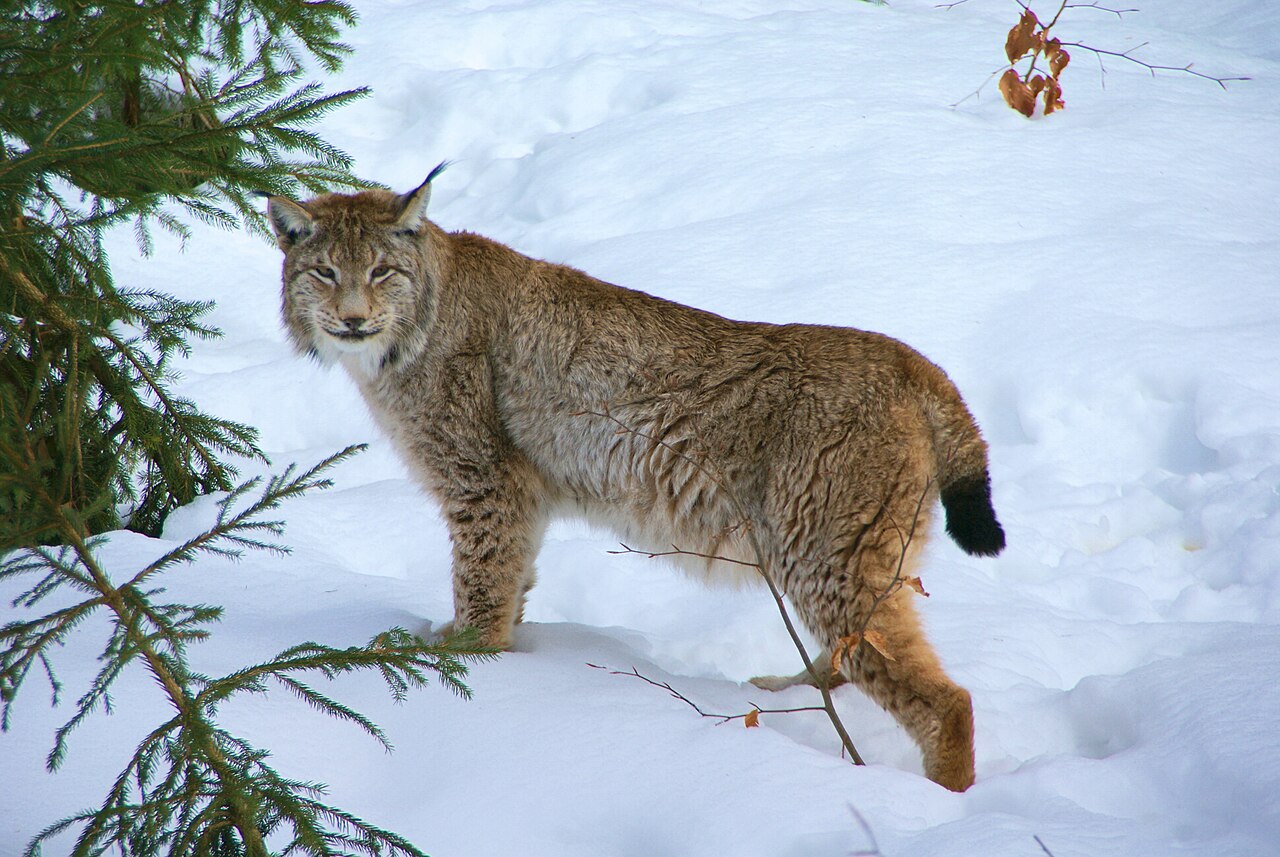
The Lynx lynx is a magnificent, medium-sized wild cat, a true phantom of the European and Asian wilderness. Unlike its North American cousins, this species boasts a broader distribution, stretching from the dense forests of Eastern Europe across the vast Siberian taiga, and even reaching the high altitudes of the Tibetan Plateau and Himalayas. Its presence is a crucial indicator of a healthy, functioning ecosystem, a testament to the wildness that still persists in these vast landscapes. Spotting one is an exceptionally rare privilege, a fleeting glimpse of a creature perfectly adapted to its environment.
📍 Where to Find Them: A Continental Quest
Your best bet for encountering the Eurasian lynx involves venturing into the extensive temperate and boreal forests that define its range. Key strongholds include the Carpathian Mountains spanning Poland, Slovakia, Romania, and Ukraine, the vast wilderness of Russia, and pockets within Scandinavia. While historically present across much of Europe, reintroduction efforts are slowly expanding its footprint in countries like Germany and France. Remember, these cats are masters of camouflage and prefer dense cover, making them incredibly difficult to locate in the wild.
🕰️ Best Times for Sightings: Patience is a Virtue
Patience is paramount when hoping for a lynx sighting. These are primarily nocturnal and crepuscular hunters, meaning dawn and dusk are your prime windows. However, their activity patterns can shift based on prey availability and season. Winter months, with their sparser foliage, can sometimes offer better visibility, but also present harsher conditions for both you and the animal. The most reliable sightings are often accidental, occurring during dedicated wildlife tracking expeditions or through remote camera trap footage.
💰 Conservation Status & Your Role
The Eurasian lynx is currently listed as LC by the IUCN, a testament to its wide distribution. However, this broad classification masks significant regional threats. Habitat loss and fragmentation due to human development, illegal poaching for their distinctive pelts and body parts, and the depletion of their primary prey species like roe deer and hares are critical issues. Supporting conservation organizations working on habitat restoration and anti-poaching initiatives is vital for their long-term survival.
🔭 What to Expect: Elusive Encounters
Don't expect a leisurely stroll and a guaranteed sighting. Encounters with Eurasian lynx are rare and fleeting. These are solitary, elusive animals that actively avoid human contact. Most 'sightings' are indirect: fresh tracks in the snow, scat, or the tell-tale signs of a kill. If you are incredibly fortunate, you might catch a glimpse of their characteristic tufted ears and short, bobbed tail disappearing into the undergrowth. The thrill lies in knowing they are there, a silent presence in the wild.
📸 Photography Tips: Capturing the Elusive
Photographing the Eurasian lynx requires specialized gear and immense patience. Long telephoto lenses (400mm or more) are essential to maintain a respectful distance. Use a tripod for stability, especially in low light conditions at dawn and dusk. Employ high ISO settings to capture fast-moving subjects without motion blur, and be prepared to shoot in bursts. Always prioritize the animal's welfare; never disturb or bait them for a photo opportunity. Many stunning images come from professional wildlife photographers using camera traps.
⚠️ Safety & Etiquette: Respecting the Wild
Your safety and the lynx's well-being are paramount. Always travel with experienced local guides who understand the terrain and wildlife behavior. Maintain a significant distance from any wild animal; never attempt to approach or feed them. Stick to marked trails where available. Be aware of your surroundings, as other wildlife, including bears and wolves, may also inhabit these areas. Report any suspicious activity, such as poaching, to local authorities immediately.
🗺️ Getting Started: Planning Your Lynx Expedition
Embarking on a quest to see a Eurasian lynx is a serious undertaking. Start by researching reputable wildlife tour operators specializing in European wilderness areas. Consider destinations with known lynx populations, such as the Carpathian Mountains or specific national parks in Eastern Europe. Engage with local conservation groups to understand the current status and best practices for responsible wildlife viewing. Prepare for challenging terrain and variable weather conditions.
Key Facts
- Year
- 1758
- Origin
- Linnaeus's *Systema Naturae*
- Category
- Wildlife & Conservation
- Type
- Species
Frequently Asked Questions
What is the main difference between the Eurasian lynx and other lynx species?
The Eurasian lynx (Lynx lynx) is the largest of the four lynx species. It has a wider geographic distribution, spanning across Europe and Asia, compared to the North American species like the Canada lynx or bobcat. Its coat coloration can also vary more widely, from pale grey to reddish-brown, often with less pronounced spots than some other lynx.
Are Eurasian lynx dangerous to humans?
Eurasian lynx are generally not dangerous to humans. They are shy, elusive animals that actively avoid contact. Attacks are extremely rare and typically occur only if the animal feels cornered or threatened, or if it is rabid. The primary threat they pose is to small livestock, though even this is minimal due to their preference for wild prey.
What do Eurasian lynx eat?
Their diet primarily consists of medium-sized ungulates, with roe deer and muntjac deer being staple prey in many areas. They will also hunt smaller mammals such as hares, rodents, and birds. Their hunting strategy involves stealth and a powerful pounce, often ambushing prey from cover.
How can I help conserve the Eurasian lynx?
You can contribute by supporting conservation organizations that work on habitat protection and anti-poaching efforts in lynx territories. Choosing sustainable tourism options that benefit local communities and wildlife is also crucial. Raising awareness about the threats facing lynx and advocating for stronger wildlife protection laws can make a significant impact.
Is it possible to see a Eurasian lynx in zoos?
Yes, Eurasian lynx are present in many zoos and wildlife parks around the world. This offers a more accessible way to observe their behavior and learn about the species. However, it's important to remember that a zoo environment is not the same as seeing them in their natural habitat, which is a far more profound and rare experience.