
Contents
Overview
The concept of blood cells, including erythrocytes, has a long and winding history, predating modern microscopy. Early physicians like Galen theorized about blood components, though their true nature remained elusive. The invention of the microscope in the 17th century was pivotal; Antonie van Leeuwenhoek first described red blood cells, noting their shape and abundance, calling them 'globules'. The term 'erythrocyte' itself, derived from Greek 'erythros' (red) and 'kytos' (hollow vessel), emerged later, becoming standard in scientific literature by the late 19th century. Understanding the function of hemoglobin and its role in oxygen transport, a process elucidated by scientists like John Scott Burdon-Sanderson Haldane in the early 20th century, solidified the erythrocyte's place as a cornerstone of physiology.
⚙️ How It Works
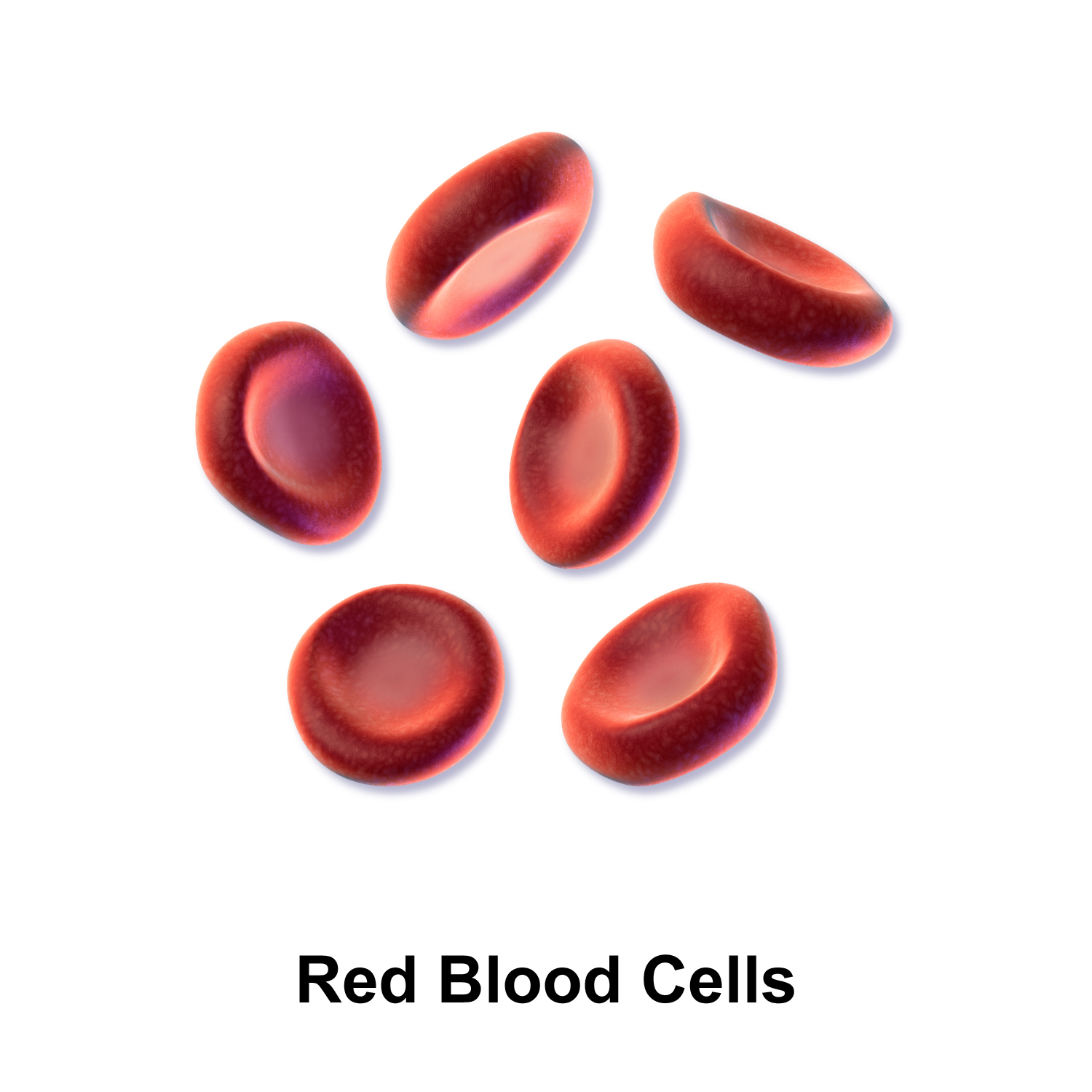
Erythrocytes function as highly specialized delivery vehicles. Their primary role is to transport oxygen (O2) from the lungs to the body's tissues and to carry carbon dioxide (CO2) back to the lungs for exhalation. This is achieved through the protein hemoglobin contained within their cytoplasm; each erythrocyte can carry up to 270 million molecules of hemoglobin. The biconcave disc shape maximizes surface area for gas exchange and provides remarkable flexibility, allowing the cells to deform and navigate through capillaries as narrow as 3-4 micrometers in diameter. Mature mammalian erythrocytes lack a nucleus and most organelles, maximizing space for hemoglobin and preventing the cell from consuming the oxygen it carries via aerobic respiration. Their lifespan is finite, typically around 120 days in humans, after which they are removed from circulation by macrophages, primarily in the spleen and liver.
📊 Key Facts & Numbers
A single drop of human blood contains between 4.5 to 5.5 million erythrocytes. In a healthy adult human, the total number of erythrocytes circulating is staggering, estimated to be between 20 to 30 trillion cells. Each erythrocyte is packed with approximately 270 million molecules of hemoglobin. The average lifespan of a human erythrocyte is about 120 days, meaning roughly 2.4 million erythrocytes are produced and destroyed every second. The packed cell volume, or hematocrit, typically ranges from 40-50% in men and 37-47% in women. Disorders affecting erythrocyte count or function, such as anemia, are among the most common medical conditions globally, affecting over 1.5 billion people worldwide.
👥 Key People & Organizations
Key figures in understanding erythrocytes include Antonie van Leeuwenhoek, who first observed them in 1674 using his early microscope. Later, John Scott Burdon-Sanderson Haldane (1860–1936) made significant contributions to understanding oxygen transport by hemoglobin. The American Society of Hematology is a leading professional organization dedicated to advancing the understanding, diagnosis, treatment, and prevention of blood disorders, including those related to erythrocytes. Research institutions like the National Institutes of Health (NIH) and the Medical Research Council (MRC) in the UK fund extensive research into erythropoiesis and erythrocyte function.
🌍 Cultural Impact & Influence
Erythrocytes are not just biological entities; they are deeply embedded in our cultural lexicon and medical understanding. The very color of blood, a universal symbol of life, vitality, and sacrifice, is directly attributable to the iron-rich hemoglobin within erythrocytes. Medical dramas and scientific documentaries frequently depict the critical role of red blood cells in saving lives through transfusions, highlighting their importance in emergency medicine and surgery. The concept of 'blood types', determined by antigens on the erythrocyte surface, has become a fundamental aspect of healthcare and organ transplantation, as pioneered by Karl Landsteiner in 1901. The erythrocyte's journey through the body is a metaphor for circulation, effort, and the essential, often unseen, work that sustains us.
⚡ Current State & Latest Developments
Current research into erythrocytes is rapidly evolving, particularly in areas like gene therapy for inherited erythrocyte disorders such as sickle cell disease and thalassemia. Scientists are exploring novel methods for erythrocyte production in vitro, aiming to create a sustainable source of transfusable cells independent of donors. Advances in nanotechnology are also leading to the development of artificial erythrocytes or 'nanobots' designed to mimic their oxygen-carrying capabilities, potentially revolutionizing treatments for conditions like severe anemia or hypoxia. Furthermore, the erythrocyte membrane itself is being studied for its potential in drug delivery systems, leveraging its biocompatibility and unique structural properties.
🤔 Controversies & Debates
One persistent debate revolves around the optimal lifespan and removal mechanisms of erythrocytes. While the 120-day lifespan is a widely accepted average, individual cell variations and the precise triggers for removal are still areas of active investigation. Another controversy touches upon the ethics and efficacy of using stem cells for generating erythrocytes for transfusion, particularly concerning potential long-term side effects and the cost-effectiveness compared to traditional blood donation. The role of the spleen in erythrocyte clearance versus potential over-reliance on the liver also sparks discussion among hematologists regarding the body's compensatory mechanisms in various disease states.
🔮 Future Outlook & Predictions
The future of erythrocyte research points towards highly personalized medicine. CRISPR-Cas9 gene editing holds immense promise for correcting genetic defects that lead to erythrocyte disorders, potentially offering cures rather than just treatments. The development of lab-grown erythrocytes could alleviate chronic blood shortages and reduce the risks associated with donor blood, such as pathogen transmission. Furthermore, researchers are investigating the potential of erythrocytes as targeted drug delivery vehicles, engineering them to carry therapeutic agents directly to specific tissues or organs, thereby minimizing systemic side effects. The exploration of novel hemoglobin variants or oxygen-binding molecules could also lead to enhanced oxygen-carrying capacities for therapeutic purposes.
💡 Practical Applications
Erythrocytes have direct practical applications in medicine and diagnostics. Blood transfusions are a cornerstone of modern healthcare, used to treat anemia, blood loss from surgery or trauma, and various hematological disorders. The hematocrit and hemoglobin measurement are routine diagnostic tests that provide critical information about a patient's overall health and oxygen-carrying capacity. Understanding blood groups, determined by erythrocyte surface antigens, is essential for safe transfusions and organ transplantation. Research into artificial erythrocytes also holds promise for emergency medical situations where rapid oxygenation is critical, such as in cases of severe hypoxia or carbon monoxide poisoning.
Key Facts
- Category
- science
- Type
- concept