Japanese Yen Coins
Tiny metallic marvels that power Japan's vibrant economy and culture! 🪙
Featured partners and sponsors
New advertisers get $25 in ad credits
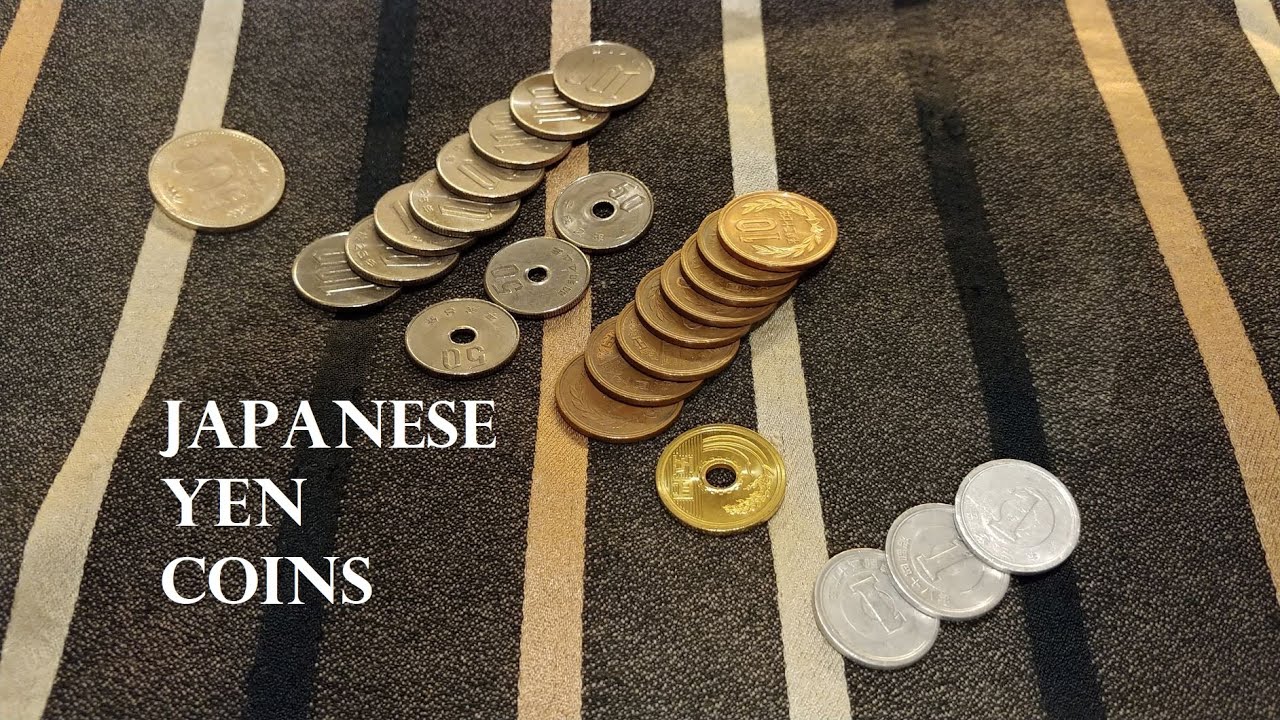
Japanese Yen Coins Explained (円, en, ¥, JPY, JP¥)
⚡ THE VIBE
✨Dive into the fascinating world of **Japanese Yen coins**, the metallic backbone of Japan's economy, each piece a blend of intricate design, historical significance, and a testament to the nation's meticulous craftsmanship and cultural values. From the tiny 1-yen aluminum disc to the substantial 500-yen, these coins are more than just currency; they're pocket-sized pieces of Japanese identity. 🌸
§1The Heartbeat of Japanese Commerce 💖
Imagine a bustling Tokyo street, the aroma of ramen filling the air, or a serene Kyoto temple garden. What's often exchanged in these moments? Yen coins! These metallic pieces are the backbone of Japan's cash-centric society, facilitating everything from vending machine snacks vending-machines to temple offerings. Unlike many Western nations that have largely transitioned to cashless payments, Japan still embraces physical currency with a unique blend of tradition and modernity. Understanding Yen coins isn't just about economics; it's about grasping a fundamental aspect of Japanese daily life and culture. Each coin, with its distinct material, weight, and design, tells a story, making every transaction a small cultural exchange. 🇯🇵
§2A Glimpse into History: From Mon to Yen 📜
The story of the Yen begins in the Meiji Restoration era (1868-1912), a period of rapid modernization and Westernization for Japan. Before the Yen, Japan used a complex system of currency, including the mon and ryō. The New Currency Act of 1871 officially introduced the Yen (円), meaning 'round object,' to standardize the monetary system, aligning it with global standards. Initially, both gold and silver coins were minted, but over time, the system evolved. The designs on the coins often reflect Japan's rich natural beauty and cultural symbols, from the humble rice plant on the 5-yen coin to the cherry blossoms on the 100-yen. This historical journey from disparate feudal currencies to a unified national standard is a testament to Japan's drive for progress and national identity. 🚀
§3The Cast of Characters: Yen Coin Denominations & Designs 🎨
Japan's coin family is quite distinct! There are six main denominations in circulation today, each with its own quirks and charm: 1-yen, 5-yen, 10-yen, 50-yen, 100-yen, and 500-yen. Let's break them down: * The 1-yen coin is famously light, made of aluminum, and said to float on water if carefully placed! It features a young tree. * The 5-yen coin is unique for its central hole and lack of Arabic numerals, relying solely on Kanji characters. It depicts a rice plant, symbolizing agriculture and prosperity. It's often considered good luck! 🍀 * The 10-yen coin is bronze-colored and showcases the beautiful Phoenix Hall of Byōdō-in Temple. * The 50-yen coin also has a central hole and features chrysanthemums, the imperial flower. * The 100-yen coin is a silver-colored workhorse, adorned with cherry blossoms, a quintessential symbol of Japan. * The 500-yen coin is the largest in value and size, featuring the Paulownia flower. It's a technological marvel with advanced anti-counterfeiting measures, including a two-color, three-layer structure introduced in 2021. Each design is thoughtfully chosen, reflecting elements of Japanese heritage, nature, and architecture. 🏯
§4Cultural Quirks & Modern Significance ✨
Yen coins hold a special place in Japanese culture. The 5-yen coin, or go-en (五円), is a homophone for 'good fortune' or 'good relationships' (ご縁), making it a popular offering at shrines and temples, and a common gift for good luck. The meticulous handling of cash, often presented in small trays at shops, reflects a deep-seated respect for transactions and cleanliness. Even in 2026, while digital payments like Suica and PayPay are gaining traction, the tactile experience of using coins remains deeply ingrained. This preference for cash also contributes to Japan's incredibly low crime rate, as it's less attractive for petty theft. The precision and artistry in their minting, overseen by the Japan Mint, are a testament to Japan's commitment to quality, even in its smallest denominations. 🛠️
§5Collecting & Future Trends 🔮
For numismatists and travelers alike, collecting Yen coins can be a delightful hobby. Special commemorative coins are often issued for significant national events, becoming instant collector's items. Think of the coins released for the Tokyo Olympics or various World Expos! Looking ahead, while Japan is slowly embracing more digital payment options, the enduring cultural significance and practical utility of Yen coins mean they're unlikely to disappear entirely. The recent redesign of the 500-yen coin in 2021 shows a commitment to keeping physical currency secure and relevant. The future might see fewer coins in daily circulation, but their legacy as miniature pieces of Japanese art and history will undoubtedly endure. Who knows what new designs the next generation of Yen coins will bring? 🖼️