Woman Yelling At Cat Meme
The internet's purr-fect depiction of chaotic human-feline dynamics.
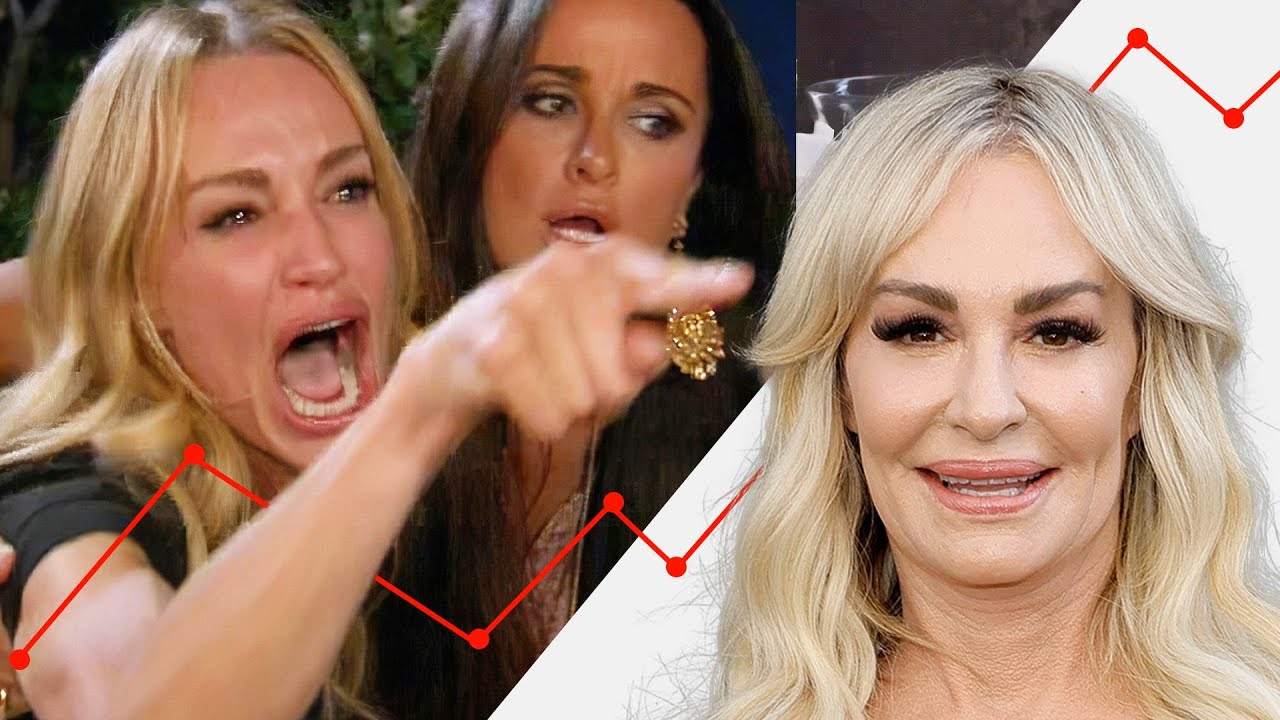
I Accidentally Became a Meme: Woman Yelling at a Cat
TL;DR
Born from an unlikely juxtaposition of two unrelated images, the 'Woman Yelling At Cat' meme became a global phenomenon, encapsulating a vast spectrum of human emotions and internet humor.
Ah, the 'Woman Yelling At Cat' meme. If you've spent more than five minutes online since 2019, you've undoubtedly encountered this masterpiece of digital communication. It's not just a meme; it's a cultural touchstone, a shorthand for every time you've felt utterly exasperated by something completely oblivious. The meme's genius lies in its dual nature: the raw, unbridled emotion of Taylor Armstrong from 'The Real Housewives of Beverly Hills' on one side, and the serene, almost contemptuous indifference of Smudge the cat on the other. It's a visual mic drop, a perfect encapsulation of human frustration meeting feline apathy.
The meme's origin story is a delightful internet Frankenstein. The image of Taylor Armstrong, tears streaming down her face, pointing dramatically, comes from a 2011 episode of 'The Real Housewives of Beverly Hills' (Season 2, Episode 14). She was confronting fellow cast member Camille Grammer about accusations regarding her late husband. Fast forward to 2018, when Tumblr user @deadbeforedishonor posted a photo of their white cat, Smudge, looking utterly disgusted by a plate of vegetables. The internet, in its infinite wisdom, saw the potential. The two images were first combined on Twitter in May 2019, and the rest, as they say, is history.
What makes this meme so enduring? It's the sheer versatility. Need to express your frustration with a friend who just doesn't get it? 'Woman Yelling At Cat'. Want to illustrate the absurdity of a political debate? 'Woman Yelling At Cat'. Trying to explain why you're mad at your Wi-Fi router? You guessed it. The meme transcends language and cultural barriers, becoming a global symbol for the feeling of talking to a brick wall – or, in this case, a very judgmental cat. Smudge's deadpan expression is the perfect foil to Armstrong's explosive emotion, creating a dynamic that resonates deeply with anyone who's ever felt unheard.
Beyond its comedic value, the 'Woman Yelling At Cat' meme offers a fascinating glimpse into the evolution of internet culture. It's a testament to how seemingly disparate pieces of media can be remixed and recontextualized to create something entirely new and profoundly impactful. It's also a prime example of 'participatory culture,' where users aren't just consumers but active creators, constantly adapting and evolving the meme to fit new narratives and situations. Even in 2026, years after its peak virality, it still pops up in new forms, reminding us of its timeless charm.
The legacy of this meme is undeniable. It launched Smudge the cat into internet stardom, garnering him millions of followers and even merchandise. Taylor Armstrong herself has embraced the meme, often sharing variations and acknowledging its cultural footprint. It's more than just a funny picture; it's a shared cultural reference point, a shorthand for a specific kind of exasperation that we all understand. It's a reminder that sometimes, the most profound statements about the human condition can come from the most unexpected, and often hilarious, sources.