Vodou Rituals
Unveiling the vibrant heart of a misunderstood spiritual tradition 🥁✨
Featured partners and sponsors
New advertisers get $25 in ad credits
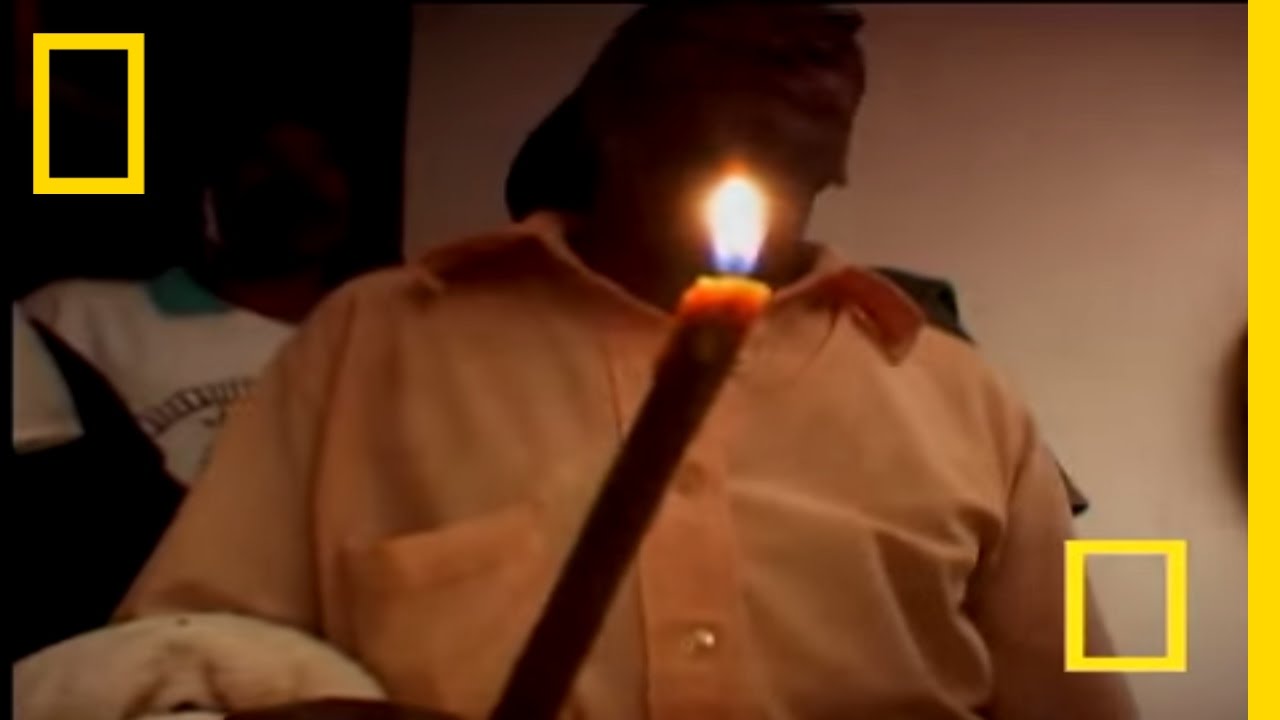
Haitian Voodoo | National Geographic
⚡ THE VIBE
✨Vodou rituals are the vibrant, deeply spiritual practices at the heart of Vodou, a complex and often misunderstood religion that originated in West Africa and flourished in the Caribbean, particularly Haiti, as a powerful act of cultural and spiritual preservation. These ceremonies are dynamic engagements with the *Lwa* (spirits), seeking guidance, healing, and connection.
§1The Heartbeat of Vodou: An Overview 🥁
Vodou rituals are far more than mere performances; they are the living, breathing essence of the Vodou faith, serving as direct channels between practitioners and the divine spirits known as the Lwa. Imagine a sacred space, often a hounfor (temple), pulsating with the rhythmic beat of drums, melodic chants, and the collective energy of a community seeking spiritual communion. These ceremonies are incredibly diverse, ranging from elaborate public celebrations to intimate family rites, each designed to honor specific Lwa, mark life passages, or address communal needs. They are a profound expression of belief, a way to navigate the challenges of life, and a powerful connection to ancestral wisdom. 🌿
Unlike many Western religions, Vodou emphasizes a direct, reciprocal relationship with the spirits. Practitioners don't just pray to the Lwa; they invite them to participate, to mount (possess) a devotee, offering direct communication and blessings. This isn't about fear or manipulation, but about fostering a harmonious balance between the visible and invisible worlds, ensuring the well-being of the community and the individual. It's a truly immersive, multi-sensory experience that engages body, mind, and spirit. ✨
§2From Ancient Roots to New World Power 🌱
The origins of Vodou rituals are deeply rooted in the diverse spiritual traditions of West Africa, particularly among the Fon, Yoruba, and Kongo peoples, who were forcibly brought to the Caribbean during the transatlantic slave trade. Stripped of their lands, languages, and families, enslaved Africans ingeniously wove their ancestral beliefs into a resilient new spiritual system. In places like Haiti, these practices became a powerful form of resistance against colonial oppression and a means to preserve cultural identity. The term 'Vodou' itself derives from the Fon word for 'spirit' or 'deity'. 🌍
The Lwa themselves often reflect this syncretism, sometimes appearing with attributes borrowed from Catholic saints (e.g., Ezili Dantò with the Black Madonna). This wasn't a surrender of faith, but a strategic camouflage, allowing practitioners to continue their sacred rites under the watchful eyes of their enslavers. The legendary Bois Caïman ceremony in 1791, a pivotal Vodou ritual, is often cited as the spark that ignited the Haitian Revolution, demonstrating the profound political and spiritual power embedded within these practices. It’s a testament to human resilience and the enduring power of faith. ✊
§3Anatomy of a Ceremony: Drums, Dances, & Devotion 🌀
A typical Vodou ritual, often led by a Houngan (priest) or Mambo (priestess), follows a structured yet fluid progression. It usually begins with the salutasyon (salutation) and lapriye Ginen (African prayers), invoking various Lwa and ancestors. The beating of sacred drums—the rada drums being particularly iconic—is central, as their rhythms are believed to call forth specific spirits. Offerings, known as manje Lwa (food for the Lwa), are meticulously prepared, ranging from specific foods and drinks to candles, perfumes, and even animal sacrifices, each chosen according to the Lwa's preferences. 🕯️🍲
As the energy builds, devotees may begin to dance, sing, and chant, creating an intense spiritual atmosphere. The pinnacle of many rituals is the moment a Lwa 'mounts' a chwal (horse, or devotee), entering their body and speaking through them. This possession is not seen as demonic but as a sacred privilege, allowing the community to directly interact with the divine, receive blessings, advice, and healing. The Lwa might offer prophecies, perform healings, or simply share their wisdom, before eventually departing, leaving the devotee often with no memory of the event but a profound sense of spiritual renewal. It's a truly electrifying experience! ⚡
§4Beyond the Stereotypes: Why Vodou Matters Today 🙏
Despite persistent negative portrayals in popular culture—often fueled by sensationalized media and colonial prejudices that equate Vodou with 'black magic' or 'voodoo dolls'—the reality of Vodou rituals is one of community, healing, and spiritual connection. These rituals are vital for maintaining social cohesion, providing a framework for ethical living, and offering comfort and solutions in times of crisis. They address practical concerns like health, employment, and justice, as well as deeper spiritual needs. It's a holistic system for living. 💖
In 2026, Vodou continues to thrive, not just in Haiti but across the diaspora, including communities in Florida, New Orleans, and New York. It remains a powerful cultural force, influencing art, music, and social movements. Scholars and practitioners are actively working to dispel misconceptions, highlighting its rich philosophical depth, its emphasis on community, and its profound ecological awareness. Understanding Vodou rituals is key to appreciating a resilient spiritual tradition that has survived centuries of adversity and continues to offer a unique path to spiritual fulfillment. It's a testament to the enduring human spirit! 🌟