Vibe Shift
When the cultural currents dramatically change direction.
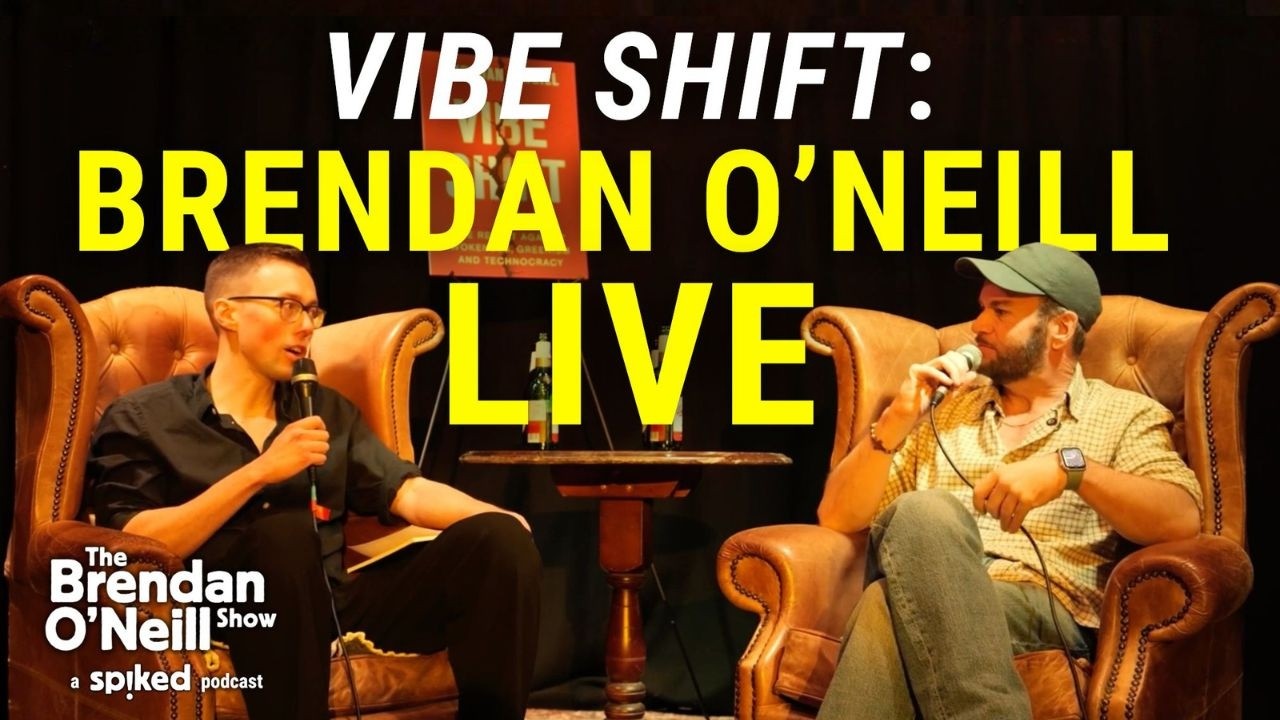
Vibe Shift: the revolt against wokeness, greenism and technocracy | Brendan O’Neill in conversation
TL;DR
A 'Vibe Shift' describes a profound, often sudden, alteration in the prevailing cultural mood, aesthetics, and collective consciousness of a society, leading to a palpable change in what feels 'current' or 'relevant.' It's less about individual trends and more about a seismic reorientation of the zeitgeist.
Imagine the world as a giant, interconnected organism, constantly breathing, feeling, and evolving. A 'Vibe Shift' is like a deep, collective exhale and then a completely different inhale – a fundamental recalibration of the cultural atmosphere. It’s not just a new fashion trend or a popular song; it’s the entire aesthetic, the dominant emotional tone, the unspoken rules of cool, and even the collective anxieties and hopes that pivot in a new direction. Think of the seismic jolt from the roaring 20s to the somber 30s, or the counter-cultural explosion of the 60s following the buttoned-up 50s. These were not mere adjustments; they were full-blown vibe shifts.
The term itself gained significant traction in the early 2020s, particularly popularized by a 2022 article in The Cut by Allison P. Davis, which framed the concept around the post-pandemic cultural landscape. While the idea of cultural epochs changing is ancient, 'vibe shift' offered a fresh, accessible, and deeply resonant language for a generation grappling with unprecedented global events. It perfectly encapsulated the feeling that the world, after years of digital acceleration and global crises, was collectively searching for a new mode of being, a different rhythm to live by.
What triggers a vibe shift? It's rarely a single event, but rather a confluence of technological advancements, socio-political upheavals, economic pressures, and generational coming-of-age. The rise of AI, climate anxiety, persistent geopolitical tensions, and the lingering effects of global health crises all contribute to a collective yearning for something new, something that feels more authentic or simply *different* from what came before. These shifts often manifest first in subcultures – art, music, fashion, online communities – before rippling out to reshape mainstream sensibilities.
The significance of understanding vibe shifts lies in their predictive power and their ability to explain our collective emotional journey. They help us contextualize why certain aesthetics suddenly feel dated, why new forms of media resonate so deeply, or why a particular social movement gains unstoppable momentum. For marketers, artists, policymakers, and anyone trying to understand the human condition, recognizing a vibe shift is like catching a glimpse of the future unfolding in real-time. It’s about sensing the subtle, yet powerful, undercurrents that dictate what we value, what we aspire to, and how we express ourselves.
In 2026, we find ourselves arguably in the midst of another such shift. The hyper-curated, aspirational internet culture of the 2010s is giving way to something more raw, more authentic, perhaps even a bit melancholic and introspective. There's a growing appreciation for 'lo-fi' aesthetics, community-driven online spaces, and a quiet rejection of performative perfection. Whether this current shift solidifies into a definitive new era remains to be seen, but the concept of the vibe shift provides the perfect lens through which to observe and interpret these fascinating cultural metamorphoses. It’s a reminder that culture is a living, breathing entity, always in motion, always evolving.