The Trickster Archetype
The mischievous spirit who breaks rules, sparks change, and reveals hidden truths. 🎭
Featured partners and sponsors
New advertisers get $25 in ad credits
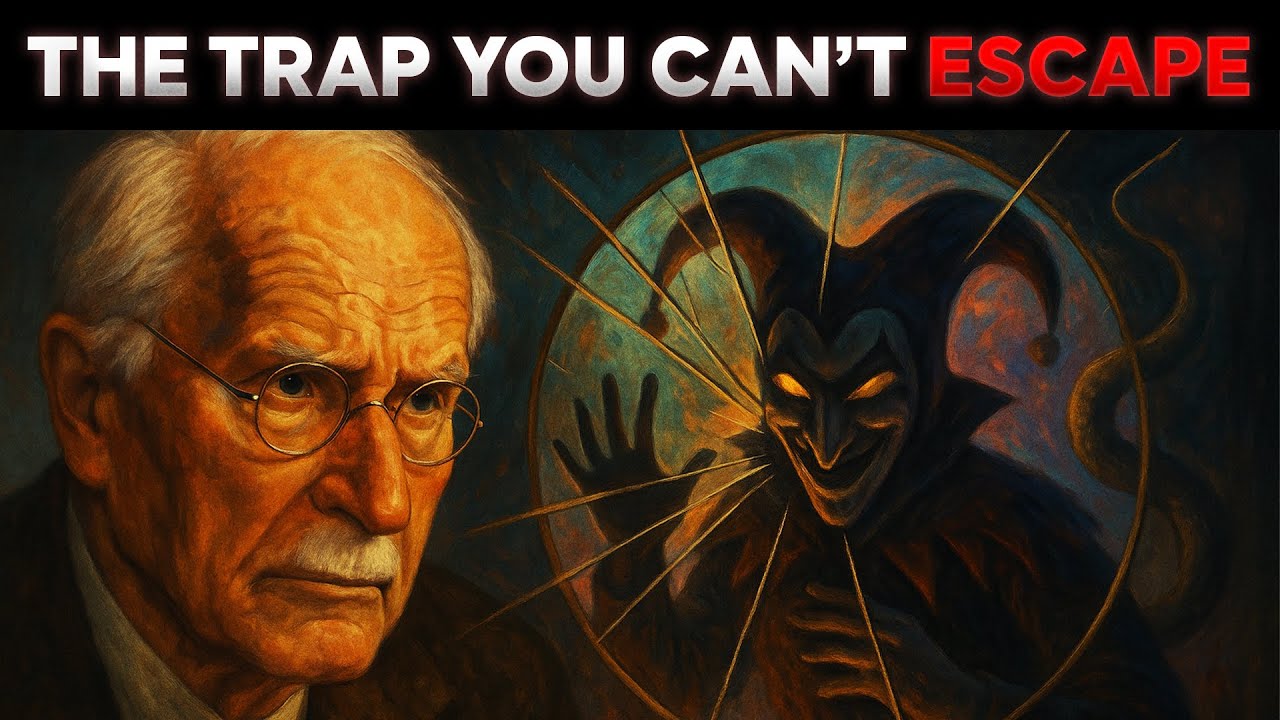
You Think It’s Chaos — But It’s the Trickster Archetype (Carl Jung)
⚡ THE VIBE
✨The **Trickster Archetype** is a universal figure found across cultures, a master of disguise and deception who, through their often chaotic actions, inadvertently brings about profound change and reveals hidden truths. They are the cosmic jokers who keep the universe from getting too comfortable. 💫
§1Meet the Cosmic Prankster 🃏
Imagine a character who loves to stir the pot, break the rules, and generally cause a delightful ruckus – that's the Trickster Archetype! Far from being merely evil, these figures are complex, embodying a blend of cunning, humor, and often, a surprising wisdom. They are the agents of change, the ones who disrupt the established order to make way for something new, often without even intending to. From ancient myths to modern media, the Trickster reminds us that life isn't always neat and tidy, and sometimes, a little chaos is exactly what we need to grow. 🌱 They are the embodiment of paradox, simultaneously creative and destructive, wise and foolish, divine and profane. Their stories are a mirror, reflecting our own human contradictions and our eternal dance with the unknown. ✨
§2Roots in Myth & Mind: A Journey Through Time 🌍
The Trickster's lineage is as old as storytelling itself. You'll find them lurking in nearly every cultural tradition. Think of Loki in Norse mythology, the silver-tongued god of mischief whose schemes often lead to both disaster and innovation. 🦊 Or Anansi the Spider from West African and Caribbean folklore, a small creature who outwits larger, more powerful beings through sheer cleverness. 🕷️ Native American traditions feature figures like Coyote and Raven, who, through their foolishness or greed, accidentally bring fire, light, or knowledge to humanity. Psychologically, it was Carl Jung who popularized the concept of the archetype, defining the Trickster as one of the fundamental, universal patterns of the human psyche. Jung saw the Trickster as a representation of our shadow self, the unconscious drives and desires that challenge our conscious ego. This archetype often appears during times of transition, when old structures are breaking down and new ones are emerging. It's a powerful symbol of transformation and the unpredictable nature of existence. 🌀
§3The Art of Disruption: How They Operate 🛠️
So, how does a Trickster do their thing? It's rarely through brute force. Their primary tools are wit, deception, shapeshifting, and a profound understanding of human (or divine) nature. They exploit weaknesses, unravel assumptions, and challenge authority, often using humor and absurdity as their weapons. They might steal something vital, but in doing so, they inadvertently distribute it to the masses. They might lie, but their lies reveal a deeper truth. Their actions often serve as a catalyst for heroes to embark on quests or for societies to evolve. They operate outside the conventional moral framework, making them unpredictable and often frustrating, yet undeniably compelling. They force us to question what we take for granted and to look beyond superficial appearances. It's a masterclass in indirect influence! 🎭
§4Impact & Legacy: Why They Still Matter in 2026 🚀
The Trickster Archetype isn't just a relic of ancient myths; it's alive and well in our modern world. From Bugs Bunny outsmarting Elmer Fudd to the anonymous hacktivist challenging corporate power, the spirit of the Trickster persists. In literature, characters like Tyler Durden from Fight Club or The Joker from Batman comics embody this disruptive energy, pushing protagonists and societies to their breaking points, often leading to profound self-discovery or societal upheaval. Even in the digital age, figures who expose hypocrisy or challenge established narratives through clever subversion can be seen as modern Tricksters. They remind us of the importance of questioning authority, embracing ambiguity, and finding humor in the face of adversity. The Trickster is a vital force for keeping systems flexible and preventing stagnation, ensuring that even in our highly structured world, there's always room for the unexpected. They are the ultimate agents of creative destruction. 🔥