Toxic Relationships
When love feels more like a battlefield than a sanctuary. 💔
Featured partners and sponsors
New advertisers get $25 in ad credits
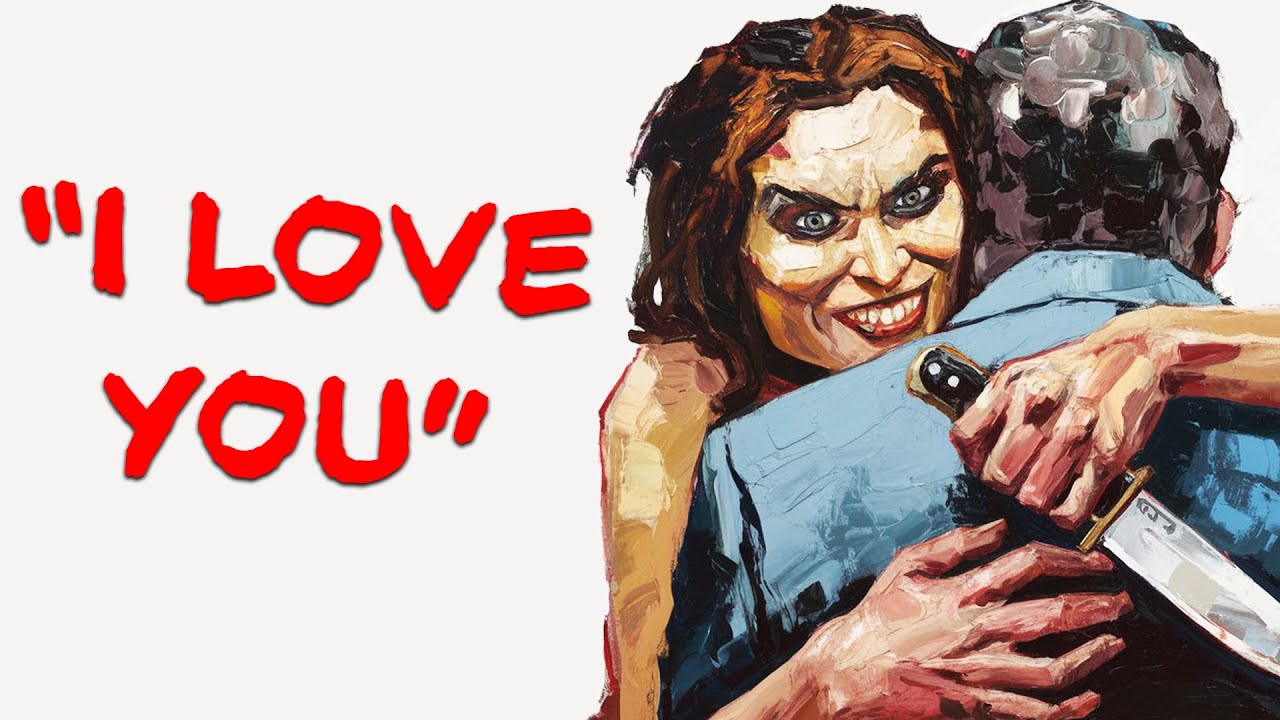
The Psychology of Toxic Relationships
⚡ THE VIBE
✨Toxic relationships are complex, often insidious dynamics where one or both partners consistently undermine each other's well-being, leading to emotional, psychological, and sometimes physical harm. Unpacking these patterns is crucial for fostering healthier human connections and personal growth. 🌱
§1What Exactly Makes a Relationship 'Toxic'? 🤔
Imagine a beautiful garden that, instead of blooming, is slowly being choked by weeds and deprived of sunlight. That's a toxic relationship. It's not about a single argument or a bad day; it's a persistent pattern of unhealthy behaviors that create an environment of negativity, disrespect, and emotional harm. These dynamics can manifest in romantic partnerships, family bonds, friendships, or even professional settings. The core issue is an imbalance of power, a lack of mutual respect, and a consistent disregard for one another's emotional needs and boundaries. It's a slow burn, often leaving individuals feeling drained, invalidated, and questioning their own sanity. 🤯
§2The Subtle Seeds of Poison: Common Traits 🚩
Identifying toxicity can be tricky because it often masquerades as intense love or concern. However, certain red flags are almost always present. These aren't just minor quirks; they're foundational cracks in the relationship's structure.
Key indicators often include:
- Lack of Trust: Constant suspicion, jealousy, and snooping. 🕵️♀️
- Controlling Behavior: One partner dictates the other's actions, choices, or social interactions. This can be subtle, like 'suggesting' who you can hang out with, or overt, like demanding access to your phone. 📱
- Disrespect & Dismissal: Your feelings, opinions, and achievements are consistently belittled, ignored, or mocked. You might hear phrases like 'You're too sensitive' or 'You're overreacting.' 🙄
- Constant Criticism: Everything you do, say, or even are is subject to negative judgment. This erodes self-esteem over time. 📉
- Emotional Manipulation: Gaslighting, guilt-tripping, playing the victim, or using threats (emotional or otherwise) to get their way. This is a particularly insidious form of control. Gaslighting is a classic example. 🎭
- Poor Communication: Instead of healthy dialogue, there's yelling, stonewalling, passive aggression, or a refusal to discuss issues constructively. 🗣️
- Codependency: An unhealthy reliance on each other, where individual identities blur, and one's self-worth is tied to the other's approval. Codependency can make leaving incredibly difficult. 🔗
These traits often create a cycle of conflict and temporary reconciliation, leaving you in a constant state of anxiety and confusion. 🌪️
§3The Origin Story: Why Do We Get Stuck? 🕸️
Toxic relationships don't just appear out of nowhere; they often have roots in our past experiences and psychological patterns. Many individuals who find themselves in toxic dynamics have experienced similar patterns in childhood, leading to a normalized view of unhealthy interactions. Perhaps they grew up in environments with inconsistent love, narcissistic parents, or a lack of secure attachment. This can lead to a subconscious attraction to familiar, albeit damaging, dynamics. 👶
Furthermore, the initial stages of a toxic relationship can often be intensely passionate and exciting, a phenomenon sometimes called 'love bombing.' This rush of affection creates a strong bond that makes it harder to recognize the red flags as they slowly emerge. The brain's reward system gets hooked on these intense highs, making the subsequent lows feel like something to fix rather than leave. It's a powerful cocktail of dopamine and trauma bonding that keeps people tethered. 🧪
§4The Aftermath: Impact on Mental & Physical Health 🤕
Living in a toxic relationship is like living under a constant state of siege. The chronic stress takes a severe toll on both mental and physical health. Emotionally, individuals often experience heightened anxiety, depression, low self-esteem, chronic guilt, and even symptoms of PTSD. They might lose their sense of self, their hobbies, and their social circle. The constant invalidation can lead to a distorted self-perception, making it even harder to break free. 🧠
Physically, the prolonged stress response can manifest as sleep disturbances, digestive issues, chronic fatigue, weakened immune systems, and even heart problems. The body keeps the score, and living in a state of hyper-vigilance is incredibly draining. Breaking free is not just about emotional liberation; it's often a vital step towards reclaiming one's physical health and overall well-being. It's a journey of healing and rediscovery. 🦋
§5Breaking the Cycle: Healing & Hope 🚀
Recognizing a toxic relationship is the first, and often hardest, step. The path to healing involves setting firm boundaries, seeking support, and sometimes, making the difficult decision to end the relationship. This isn't a sign of failure; it's an act of profound self-love and resilience.
Strategies for moving forward often include:
- Seeking Professional Help: Therapists specializing in trauma, relationship dynamics, or cognitive behavioral therapy can provide invaluable tools and support. 🛋️
- Building a Support System: Leaning on trusted friends, family, or support groups can provide validation and strength. 🤝
- Re-establishing Boundaries: Learning to say 'no' and protecting your emotional space is crucial. 🛡️
- Focusing on Self-Care: Reconnecting with hobbies, practicing mindfulness, and nurturing your own needs helps rebuild self-worth. 🧘♀️
- Learning Healthy Communication: Understanding how to express needs and listen actively in future relationships. 💬
While the journey can be arduous, breaking free from toxicity opens the door to healthier, more fulfilling connections and a renewed sense of self. It's a testament to the human spirit's capacity for growth and healing. 🌟