Thought Leadership
Shaping the conversation, one brilliant idea at a time! 💡
Featured partners and sponsors
New advertisers get $25 in ad credits
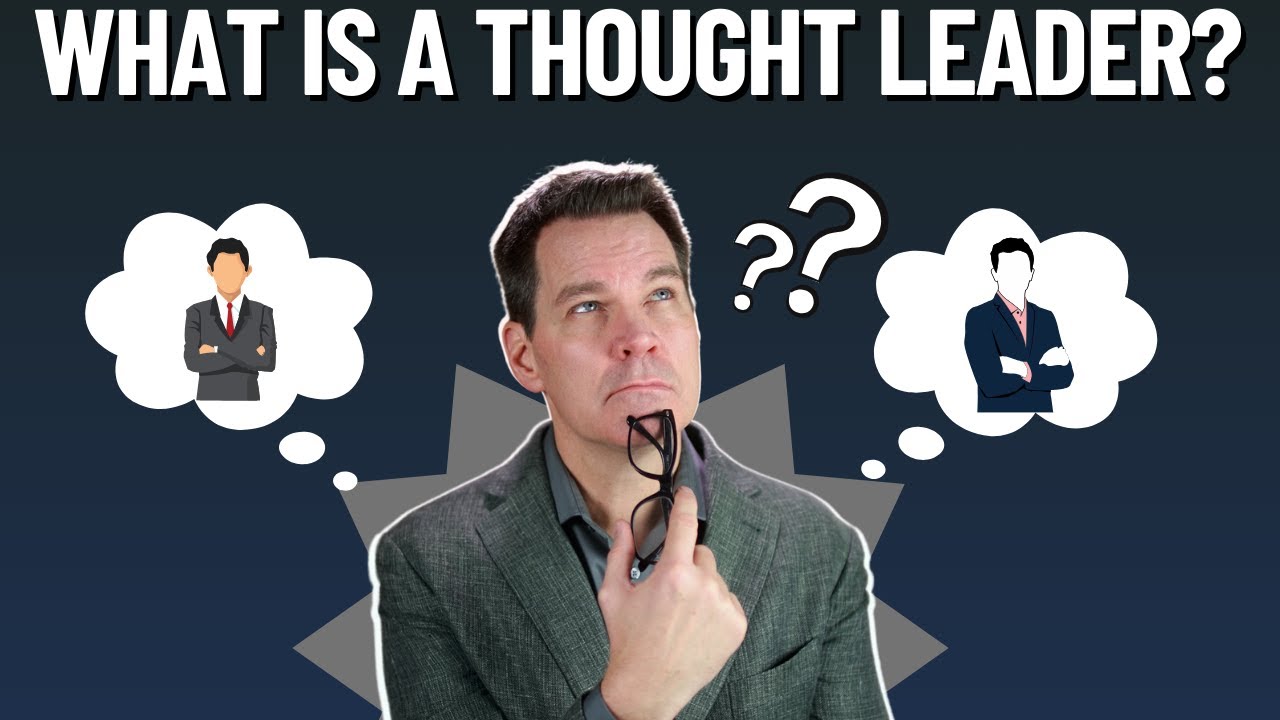
What is a Thought Leader?
⚡ THE VIBE
✨Thought Leadership isn't just about having good ideas; it's about consistently generating and disseminating *groundbreaking insights* that influence an industry, challenge conventional wisdom, and ultimately guide audiences toward new solutions and perspectives. It's the ultimate intellectual flex in the modern knowledge economy. 🧠
§1What Exactly *Is* Thought Leadership? 🤔
At its core, Thought Leadership is the act of becoming a recognized authority in a specific field, not through sheer volume of content, but through the quality, originality, and impact of one's ideas. It's about offering a unique perspective, solving complex problems, and anticipating future trends before they become mainstream. Think of it as intellectual trailblazing 🚀. A true thought leader doesn't just report on what's happening; they shape the narrative, offering prescriptive advice and fresh frameworks that help others navigate complexity. It's less about self-promotion and more about value creation for a community or industry. This isn't just for CEOs anymore; academics, researchers, artists, and even social activists can embody thought leadership by consistently contributing novel and influential ideas to their respective domains.
§2The Genesis of an Idea: From Experts to Influencers 📈
While the concept of influential thinkers is as old as philosophy itself, the term "thought leadership" gained significant traction in the late 20th and early 21st centuries, particularly within management consulting and business strategy circles. Firms like McKinsey & Company and Accenture realized the power of publishing proprietary research and frameworks to establish credibility and attract clients. The rise of the internet and digital media supercharged this trend, democratizing access to publishing platforms and allowing individuals to build personal brands as thought leaders. Suddenly, anyone with a compelling idea and the ability to articulate it could reach a global audience. The shift from traditional gatekeepers (like academic journals) to direct-to-audience platforms (like LinkedIn, Substack, and podcasts) has been monumental, transforming how expertise is recognized and disseminated. This evolution has also led to a more diverse range of voices shaping public discourse. 🗣️
§3The Pillars of Influence: How Thought Leadership Works ✨
Becoming a thought leader isn't a passive process; it requires deliberate effort and a deep commitment to one's field. It's built on several key pillars:
- Originality & Insight: It starts with genuinely new ideas or a fresh perspective on existing problems. This often involves deep research, innovative thinking, and a willingness to challenge the status quo. You're not just rehashing; you're redefining. 🌟
- Credibility & Expertise: A thought leader must possess demonstrable knowledge and experience in their domain. This isn't about faking it till you make it; it's about earning the right to speak with authority through years of dedicated work and learning.
- Communication & Dissemination: Brilliant ideas are useless if they remain unheard. Thought leaders are adept at communicating complex concepts clearly and persuasively, using various channels like articles, books, speeches, podcasts, and social media. They understand their audience and tailor their message accordingly. ✍️
- Impact & Engagement: True thought leadership isn't measured by likes, but by its ability to provoke discussion, inspire action, and drive tangible change. It fosters a community around ideas, leading to genuine intellectual engagement and often, real-world solutions. 🌍
This synergy creates a powerful feedback loop, where influence begets more opportunities to influence, solidifying one's position as a leading voice.
§4The Impact & The Pitfalls: Why It Matters (and What to Watch Out For) 🚧
The impact of genuine thought leadership is profound. For individuals, it can lead to increased visibility, career advancement, and the satisfaction of contributing meaningfully to their field. For organizations, it builds brand equity, attracts top talent, and opens new market opportunities. It fosters innovation and accelerates progress across industries. However, the landscape isn't without its challenges. The proliferation of digital platforms has led to a rise in "thought followership" – individuals or entities who merely echo existing ideas without adding original insight. There's also the risk of "content pollution", where the sheer volume of information makes it harder for truly insightful voices to cut through the noise. The most significant pitfall is when thought leadership becomes solely a marketing ploy, devoid of genuine intellectual contribution, leading to a perception of inauthenticity. The key is to prioritize substance over spectacle and genuine value over viral trends. 🔥
§5The Future of Influence: Beyond the Echo Chamber 🌐
As we move further into the 2020s, the concept of thought leadership continues to evolve. The emphasis is shifting from individual gurus to collective intelligence and diverse perspectives. We're seeing a greater appreciation for interdisciplinary insights, where leaders can connect seemingly disparate fields to forge new solutions. The rise of AI and data analytics is also transforming how insights are generated, allowing for more data-driven thought leadership. However, the human element – the ability to synthesize, interpret, and communicate with empathy – remains irreplaceable. The future of thought leadership will likely involve:
- Hyper-specialization: Deeper dives into niche topics.
- Ethical AI Integration: Using AI to augment human insight, not replace it.
- Collaborative Thought: More co-authored works and collective initiatives.
- Global Inclusivity: Amplifying voices from underrepresented regions and communities.
Ultimately, true thought leadership will always be about sparking curiosity, fostering critical thinking, and guiding humanity toward a better future. It's a journey of continuous learning and sharing. 🚀