Software Wallets
Your digital vault for crypto, NFTs, and the future of finance! 🔐
Featured partners and sponsors
New advertisers get $25 in ad credits
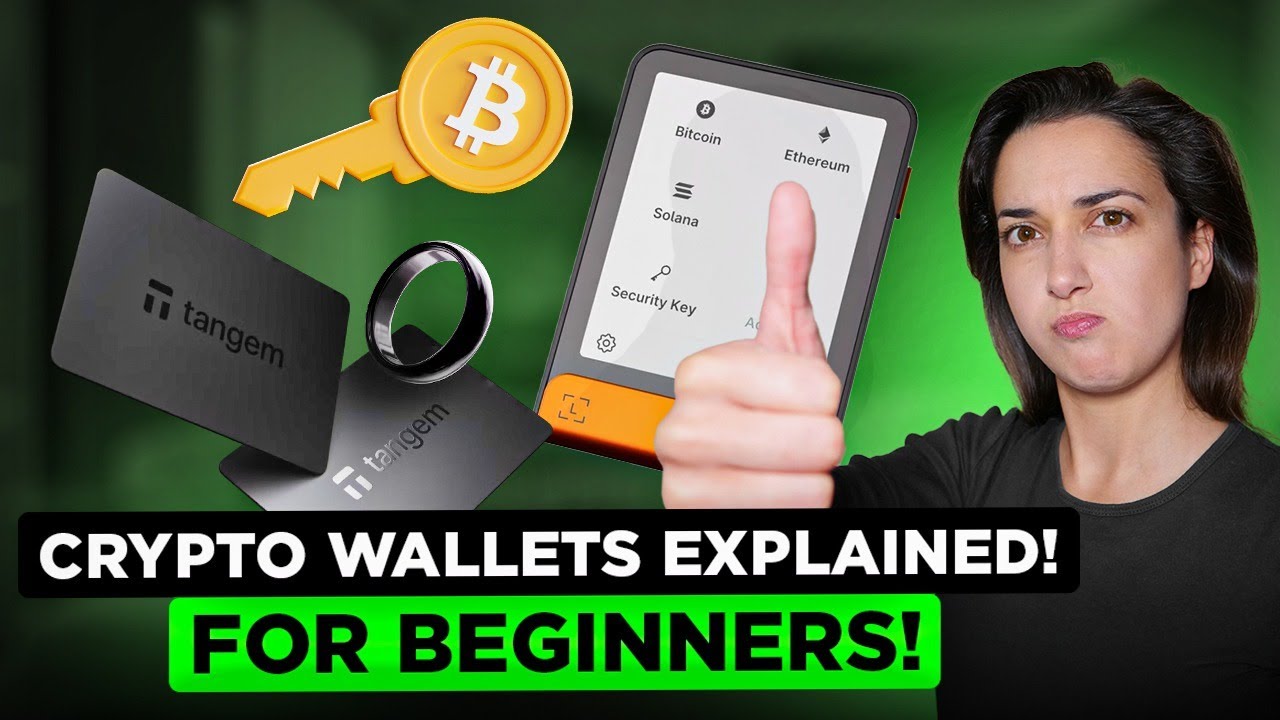
Crypto Wallets Explained! (Beginners' Guide!) 📲 🔑 (2025 Edition!) ⭐⭐⭐⭐⭐ Ultimate Step-by-Step! 😎
⚡ THE VIBE
✨Software wallets are the essential digital interfaces that allow you to securely store, manage, and transact with cryptocurrencies and other digital assets, acting as your personal gateway to the decentralized web. They're like your physical wallet, but for the blockchain era! 🚀
§1What's a Software Wallet, Anyway? 🤔
Imagine your traditional leather wallet, but instead of holding physical cash and cards, it securely manages your access to digital currencies like Bitcoin or Ethereum, and even unique digital collectibles known as NFTs. That's a software wallet in a nutshell! 💡 These aren't just apps; they're sophisticated pieces of software that interact with various blockchain networks, allowing you to send, receive, and often swap digital assets. They don't actually store your crypto – that lives on the blockchain – but they hold the crucial private keys that prove you own it. Lose those keys, and your digital fortune could be gone forever! 😱
§2The Genesis: From Command Line to User-Friendly Apps 💻
The concept of a software wallet emerged almost immediately with the birth of Bitcoin in 2009. Early adopters had to use command-line interfaces, a far cry from today's sleek apps. The very first 'wallet' was essentially the Bitcoin client itself, generating and managing private keys. As cryptocurrencies gained traction in the early 2010s, developers realized the need for more user-friendly interfaces. Projects like Electrum (2011) and later, browser extensions and mobile apps, began to democratize access to digital assets. This evolution transformed crypto from a niche tech experiment into a global financial phenomenon, making it accessible to millions. 🌐 The journey from clunky code to intuitive interfaces has been nothing short of revolutionary. ✨
§3Types of Software Wallets: A Spectrum of Security & Convenience 🛡️
Software wallets come in several flavors, each balancing convenience with security. Understanding these types is key to choosing the right one for your digital assets:
- Desktop Wallets: Applications installed directly on your computer (e.g., Exodus, Electrum). They offer robust security if your computer is well-protected, but are vulnerable to malware on that specific device. 🖥️
- Mobile Wallets: Apps on your smartphone (e.g., MetaMask Mobile, Trust Wallet). Super convenient for on-the-go transactions and often integrate with dApps, but rely on your phone's security. 📱
- Browser Extension Wallets: Plugins for web browsers (e.g., MetaMask, Phantom). These are incredibly popular for interacting with decentralized applications (dApps) and DeFi protocols, acting as a bridge between your browser and the blockchain. They offer great accessibility but require vigilance against phishing scams. 🦊
- Web Wallets: Wallets hosted by a third-party service (e.g., exchanges like Coinbase, Binance). While convenient, you don't hold the private keys, meaning you're trusting the service with your funds. This is often referred to as 'custodial' vs. 'non-custodial' for the other types where you control the keys. 🤝
Each type has its unique strengths and weaknesses, making your choice dependent on your specific needs and risk tolerance. Always remember: not your keys, not your crypto! 🔑
§4Why Software Wallets Matter: Your Gateway to Web3 🚀
Software wallets are more than just crypto storage; they are your primary interface with the burgeoning world of Web3. They enable you to:
- Participate in DeFi: Access decentralized lending, borrowing, and trading platforms without intermediaries. 💰
- Collect NFTs: Showcase your digital art and collectibles on various marketplaces. 🖼️
- Engage with dApps: Log into decentralized applications for gaming, social media, and more, often without needing a traditional username and password. 🎮
- Vote in DAOs: Participate in the governance of decentralized autonomous organizations (DAOs) by using your tokens to vote on proposals. 🗳️
They represent a paradigm shift from centralized control to individual sovereignty over digital assets. In 2026, as the digital economy continues to expand, understanding and utilizing software wallets is becoming as fundamental as understanding online banking was a decade ago. They empower individuals with financial autonomy and direct access to a new internet. 💪
§5Security Best Practices & The Road Ahead 🚧
While incredibly powerful, software wallets are also a prime target for malicious actors. Protecting your wallet requires vigilance:
- Never share your seed phrase: This 12- or 24-word phrase is the master key to your wallet. Write it down offline and store it securely. ✍️
- Use strong passwords: For any wallet that requires one. 🔒
- Be wary of phishing: Always double-check URLs and never click suspicious links. 🎣
- Consider a hardware wallet: For significant holdings, a hardware wallet offers an additional layer of security, keeping your private keys offline. ❄️
The future of software wallets is bright and evolving rapidly. We're seeing advancements in multi-signature wallets for enhanced security, account abstraction for more user-friendly experiences (like social recovery), and even integration with biometric authentication. As the digital asset space matures, software wallets will continue to innovate, becoming even more intuitive, secure, and seamlessly integrated into our daily digital lives. The journey to true digital ownership is just beginning! 🌟