Social Media Ethics
Navigating the moral maze of our hyper-connected digital lives 🌐
Featured partners and sponsors
New advertisers get $25 in ad credits
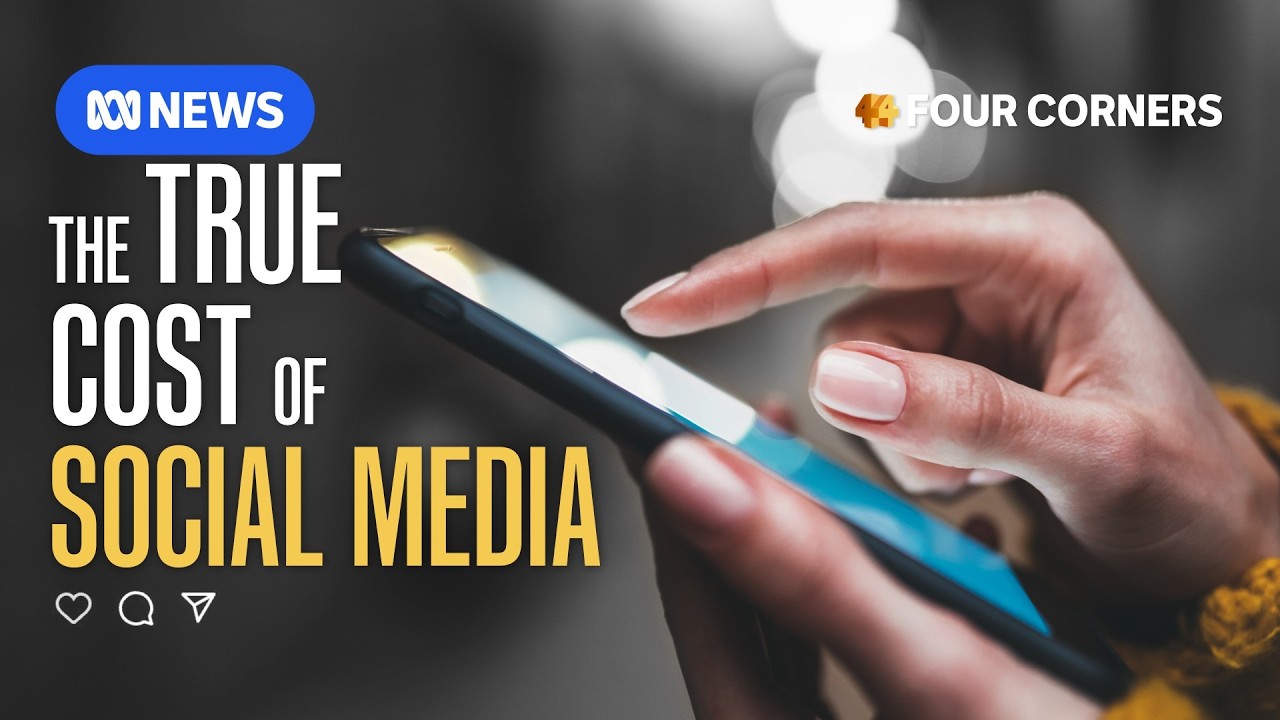
The deadly consequences of social media | Four Corners
⚡ THE VIBE
✨Social Media Ethics explores the complex moral dilemmas and societal impacts arising from our pervasive use of platforms like X, TikTok, Instagram, and Facebook, challenging us to define responsible digital citizenship in an ever-evolving landscape. It's about more than just rules; it's about the *soul* of our online interactions. 💡
§2From Early Forums to Algorithmic Empires: A Brief History
While ethical considerations have always been part of human communication, the advent of modern social media platforms in the early 2000s (think Friendster and MySpace, then Facebook in 2004) ignited a whole new set of challenges. Initially, the focus was on basic online etiquette and cyberbullying. However, as platforms scaled globally and integrated complex algorithms, the ethical stakes skyrocketed. 📈
Key historical flashpoints include the Cambridge Analytica scandal in 2018, which exposed massive data privacy breaches, and the increasing scrutiny of platform responsibility for the spread of misinformation during elections and public health crises. The rise of AI-powered content moderation and recommendation engines in the 2020s has added further layers of complexity, pushing ethicists to consider questions of algorithmic bias, transparency, and accountability. It's a journey from simple online communities to powerful, global information gatekeepers. 🌍
§3Core Pillars: Key Ethical Dilemmas & Concepts
Social Media Ethics isn't a monolithic code; it's a constellation of interconnected principles designed to address specific challenges. Here are some of the most critical:
- Privacy & Data Security: Who owns your data? How is it collected, used, and protected? The tension between personalized experiences and individual autonomy is constant. 🔒
- Misinformation & Disinformation: The rapid spread of false or misleading content poses significant threats to public discourse, democracy, and even health. Platforms grapple with their role in content moderation without stifling free speech. 🗣️
- Algorithmic Bias & Fairness: AI-driven algorithms decide what we see, who gets amplified, and who is suppressed. When these algorithms reflect or exacerbate societal biases, they can perpetuate inequality. Ensuring algorithmic fairness is a monumental task. 🤖
- Mental Health & Well-being: The impact of social media on anxiety, depression, body image, and addiction is a growing concern. Ethical design principles now consider user well-being. 🧠
- Freedom of Speech vs. Harm: Where do we draw the line between protecting diverse viewpoints and preventing hate speech, harassment, and incitement to violence? This is perhaps the most contentious area. ⚖️
- Transparency & Accountability: Who is responsible when things go wrong? Users demand more clarity from platforms about their policies, content moderation decisions, and data practices. 🕵️♀️
§4Why It Matters: Impact on Society & Our Future
The ethical dilemmas of social media aren't abstract academic exercises; they directly shape our world. They influence elections, public health campaigns, social justice movements, and even our personal relationships. Understanding and actively engaging with Social Media Ethics is crucial for:
- Empowering Individuals: Knowing your digital rights and responsibilities helps you navigate platforms more safely and effectively. It fosters media literacy.
- Shaping Responsible Platforms: Ethical considerations drive better design, more transparent policies, and greater accountability from tech companies.
- Protecting Democracy: Combating misinformation and ensuring fair discourse are vital for informed civic participation.
- Promoting Inclusivity: Addressing algorithmic bias helps ensure that digital spaces are equitable and accessible for everyone.
- Fostering Empathy: Encouraging thoughtful, respectful online interactions can bridge divides and build stronger communities. ❤️
As we hurtle further into the digital age, the principles we establish today for social media ethics will define the very fabric of our future societies. It's a collective responsibility, from the individual user to the global tech giant. 🌟
§5The Road Ahead: Challenges & Innovations
The journey for Social Media Ethics is far from over; it's an ongoing, dynamic conversation. New technologies like the metaverse, advanced AI, and decentralized social networks (Web3) are constantly introducing novel ethical quandaries. How do we ensure ethical behavior in immersive virtual worlds? What are the implications of AI-generated content that is indistinguishable from human creation? 🤯
Innovations are emerging, from new regulatory frameworks like the EU's Digital Services Act to the development of ethical AI guidelines and user-driven moderation tools. The push for greater platform transparency, independent audits of algorithms, and increased digital literacy education are all critical steps forward. The goal isn't to demonize technology, but to harness its immense power for good, ensuring that our digital future is built on a foundation of respect, fairness, and human flourishing. It's a grand challenge, but one we're collectively rising to meet. ✨