Slay
From dragon-slaying to dominating the day, a linguistic glow-up.
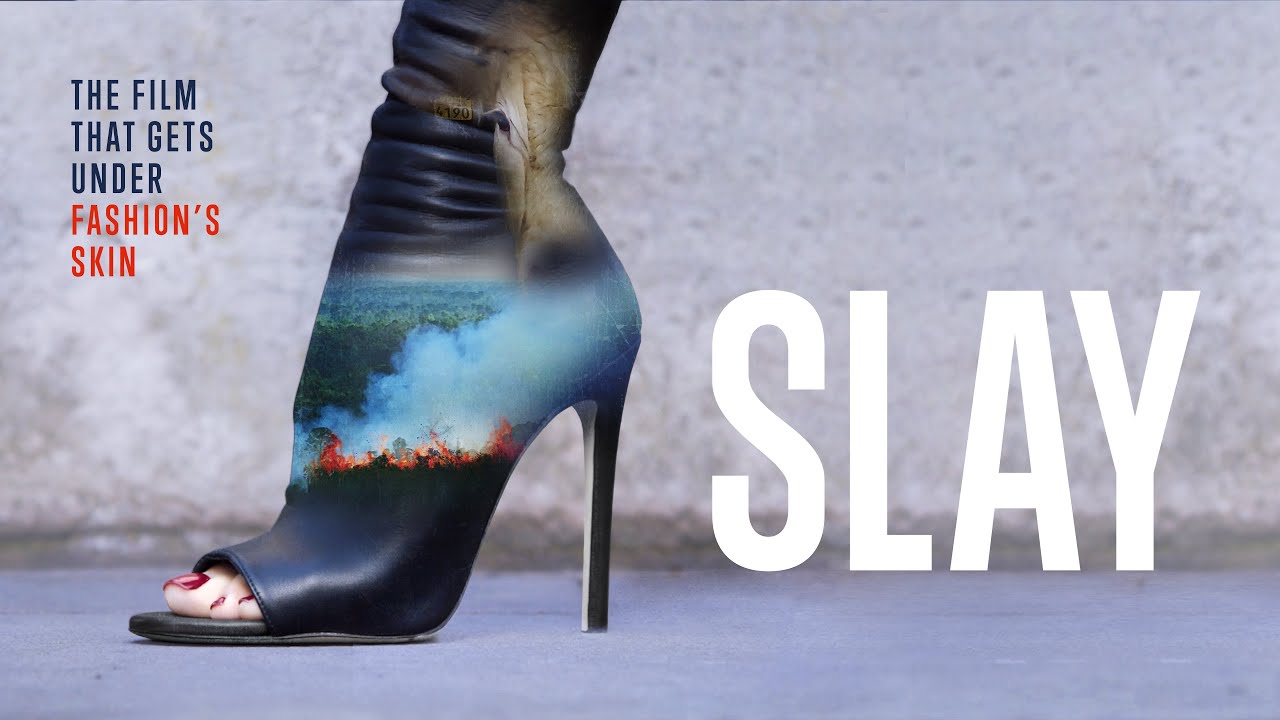
SLAY | Full Trailer | Exclusively on WaterBear
TL;DR
The term 'slay' has undergone a remarkable semantic evolution, transitioning from its ancient roots signifying violent destruction to its modern incarnation as a powerful affirmation of excellence, confidence, and success, particularly within contemporary internet and queer culture.
Before it became the ultimate compliment, "slay" had a rather grim job description. Originating from Old English 'sleahan' (to strike, kill), it was the word you used when a knight dispatched a dragon, a hero vanquished a monster, or a general won a decisive battle. Think Beowulf, think St. George – it was about overcoming a formidable opponent, often with a sword. This original meaning of decisive victory, though violent, laid the groundwork for its future, more fabulous iterations.
The 20th century saw "slay" begin its linguistic metamorphosis, particularly within the vibrant, often subversive, queer subcultures of the United States. By the 1970s and 80s, in the legendary ballrooms of New York City, "slay" took on a new meaning. It wasn't about physical combat, but about absolutely dominating the competition with an outfit, a walk, a performance, or a cutting remark. To "slay" the runway meant to be undeniably, breathtakingly excellent, leaving no doubt who was the star. It was a declaration of power, style, and self-assuredness in spaces where such expressions were often revolutionary.
As the 21st century dawned, and especially with the rise of social media and reality television (hello, *RuPaul's Drag Race*), "slay" burst into the mainstream. It became the go-to verb for anyone achieving something phenomenal, whether it was a pop star delivering an iconic performance, an athlete breaking a record, or even a friend looking exceptionally good for a night out. The term retained its core essence of decisive victory, but the battleground shifted from literal to metaphorical, emphasizing skill, flair, and an almost magical ability to impress.
Today, in 2026, "slay" is ubiquitous. It's a single word that encapsulates peak performance, effortless cool, and unshakeable confidence. Its usage transcends age and demographic, popping up in TikTok captions, corporate emails (sometimes ironically, sometimes not), and casual conversation. It's a linguistic high-five, a cheer, and a recognition of someone's undeniable impact. The journey of "slay" from ancient battlefields to digital timelines is a testament to language's dynamic nature, its ability to adapt, absorb new meanings, and reflect the ever-evolving cultural landscape.
The enduring power of "slay" lies in its versatility and emotional punch. It's more than just 'good' or 'great'; it implies a level of excellence that is almost overwhelming, leaving onlookers in awe. It carries a subtle nod to its origins – that sense of overcoming, of triumph – but now applied to the triumphs of self-expression, artistry, and personal achievement. It's a word that doesn't just describe success; it celebrates it with a flourish, embodying the spirit of unapologetic brilliance.