Seven Samurai
Akira Kurosawa's epic masterpiece that redefined cinematic storytelling. 🎬
Featured partners and sponsors
New advertisers get $25 in ad credits
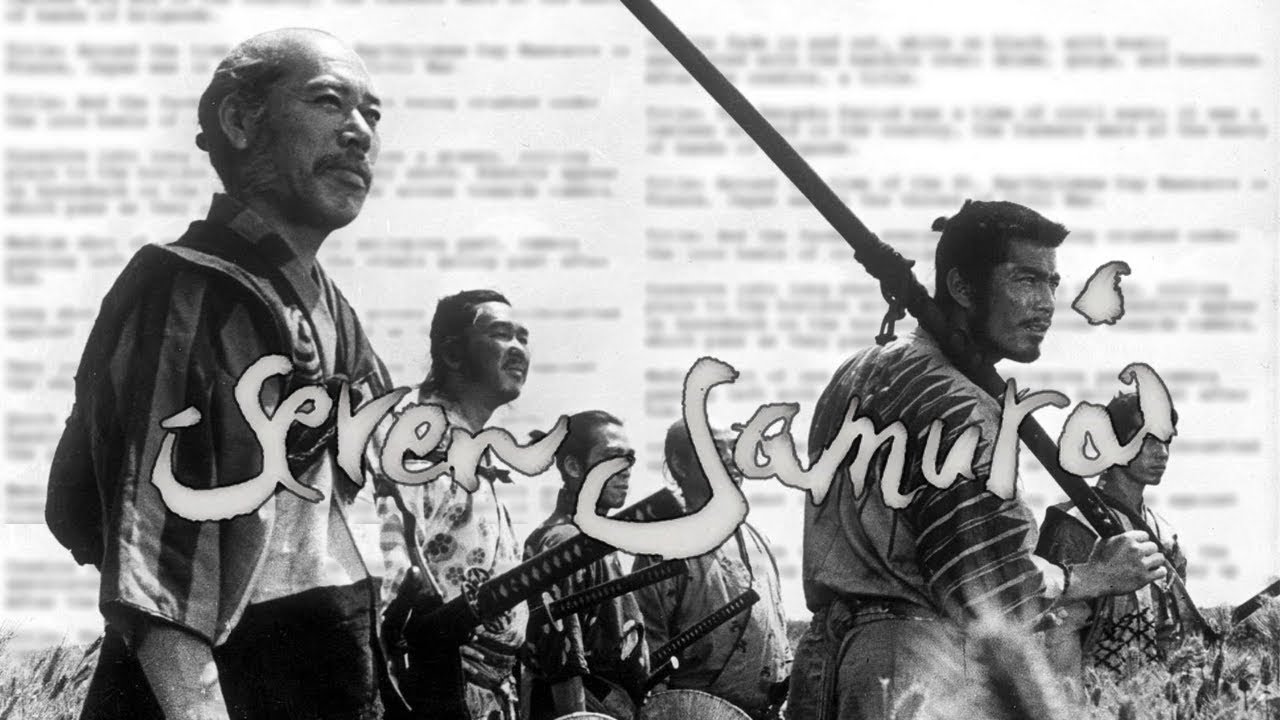
Seven Samurai - A Lesson In Storytelling
⚡ THE VIBE
✨Akira Kurosawa's *Seven Samurai* isn't just a film; it's a **global cinematic blueprint** that has influenced countless action movies, Westerns, and ensemble dramas, proving that heroism, sacrifice, and the human spirit transcend cultural boundaries. This three-and-a-half-hour epic remains a gripping, emotionally resonant journey into feudal Japan, exploring themes of poverty, class, and the nature of war. 🎌
§1The Masterpiece Unveiled: A Timeless Tale 🌟
Released in 1954, Akira Kurosawa's Seven Samurai (七人の侍, Shichinin no Samurai) isn't merely a film; it's a monumental achievement in global cinema, a sprawling epic that clocks in at a formidable 207 minutes. Set in the tumultuous Sengoku period of 16th-century Japan, the story centers on a desperate village of farmers who, plagued by bandit raids, hire seven masterless samurai (rōnin) to protect their harvest. What unfolds is a profound exploration of duty, honor, class struggle, and the brutal realities of war. Kurosawa's visionary direction, coupled with the raw performances of actors like Toshiro Mifune and Takashi Shimura, created a narrative so compelling that it continues to resonate with audiences and filmmakers worldwide, almost 70 years later. It's a testament to the power of storytelling that a film about feudal Japanese warriors could become a universal touchstone for heroism and sacrifice. 🌾⚔️
§2Origins & The Kurosawa Touch 🖌️
The genesis of Seven Samurai lies in Kurosawa's desire to create a jidaigeki (period drama) that was both historically authentic and deeply human. He initially wanted to make a film about a single day in the life of a samurai, but the concept quickly expanded. Kurosawa and his screenwriters — Shinobu Hashimoto and Hideo Oguni — spent weeks meticulously crafting each character's backstory and personality, ensuring that even the most minor roles felt fully realized. The director's perfectionism was legendary; he reportedly demanded a real village be built for the set and insisted on shooting in harsh, unpredictable weather to capture the grim reality of the period. This dedication to detail, combined with his innovative use of multi-camera setups and telephoto lenses (revolutionary for the time), gave the film its dynamic, almost documentary-like feel. Kurosawa's influence on cinematography and editing is undeniable, making Seven Samurai a masterclass in visual storytelling. 🎥💡
§3The Anatomy of a Classic: Themes & Techniques 🧠
Seven Samurai is rich with thematic depth. It masterfully dissects the feudal class system, highlighting the stark contrast between the impoverished farmers and the samurai, whose code of honor often clashes with practical survival. The film also delves into the psychology of its characters, from the wise leader Kambei (Takashi Shimura) to the boisterous, almost feral Kikuchiyo (Toshiro Mifune), who embodies the spirit of the common man. Kurosawa's use of slow-motion for dramatic effect, particularly during the climactic battle scenes, was groundbreaking and has been widely imitated. He also pioneered techniques like wipe transitions between scenes and the strategic use of weather elements (rain, wind) to heighten emotional impact and tension. The film's structure, building slowly to an explosive finale, became a template for countless action narratives, demonstrating how meticulous pacing can amplify suspense and emotional payoff. Every frame is meticulously composed, transforming the harsh landscape into a character in itself. 🌧️🐎
§4Global Impact & Enduring Legacy 🌍
The influence of Seven Samurai is nothing short of colossal. Its narrative structure – a group of skilled individuals assembling to defend the vulnerable – became the bedrock for the Western classic The Magnificent Seven (1960), which itself spawned sequels and remakes. Beyond Westerns, its DNA can be found in everything from science fiction epics like Star Wars (George Lucas openly acknowledged its influence) to modern action franchises and even superhero team-ups. Directors like Steven Spielberg, Francis Ford Coppola, and Martin Scorsese have all cited Kurosawa as a major inspiration, often pointing to Seven Samurai as a benchmark for cinematic excellence. It's not just a film about samurai; it's a universal story about courage, community, and the fight against oppression. Its themes of self-sacrifice and the bittersweet nature of victory continue to resonate, proving that true artistry transcends time and culture. The film consistently ranks high on lists of the greatest films ever made, a testament to its enduring power. 🏆🎬