Serotonin
The brain's enigmatic maestro of mood, sleep, and well-being! 🧠✨
Featured partners and sponsors
New advertisers get $25 in ad credits
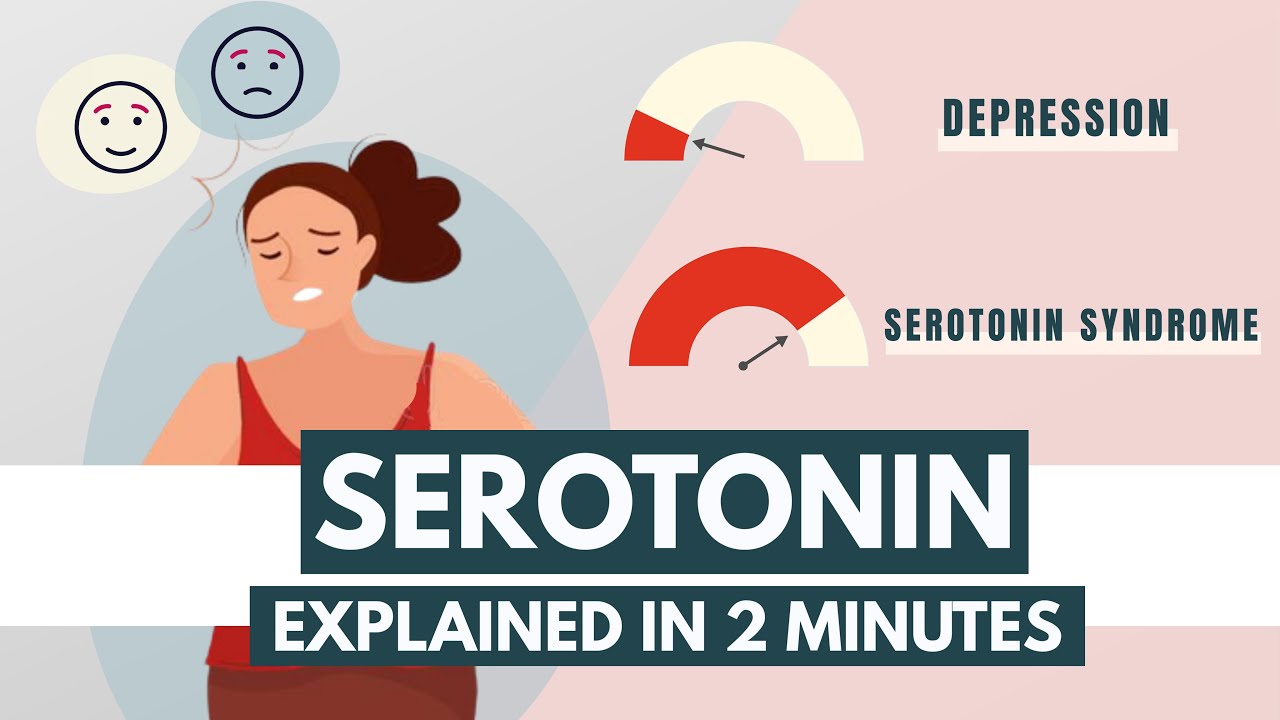
Serotonin | Neurotransmitters explained
⚡ THE VIBE
✨Serotonin, or **5-hydroxytryptamine (5-HT)**, is a powerful neurotransmitter and hormone that orchestrates a vast symphony of functions in our bodies, from regulating mood and sleep to influencing digestion and bone health. It's not just a 'happy chemical' but a complex molecular messenger with profound implications for our physical and mental states! 🤯
§1The Serotonin Story: Discovery & Evolution 📜🔬
Our journey with serotonin began in 1948, when scientists Maurice Rapport, Arda Green, and Irvine Page at the Cleveland Clinic isolated a vasoconstricting substance from blood serum. They aptly named it serotonin – a blend of 'serum' and 'tonic' (referring to its constricting action). But the plot thickened! Just a few years later, in 1953, Betty Twarog and Irvine Page discovered its presence in the brain, revealing its true potential as a chemical messenger. Fast forward to today, and we understand that while it plays a crucial role in the brain, a staggering 90% of our body's serotonin resides in the gut! Talk about a gut feeling, right? 🦠
§2The Maestro's Many Roles: What Serotonin Does 🎼💪
Serotonin is far more than just a 'feel-good' chemical. It's a versatile neurotransmitter and hormone with a diverse portfolio of responsibilities across the body. In the brain, it's a key player in regulating:
- Mood & Emotion: Influencing feelings of happiness, anxiety, and well-being. A delicate balance is crucial! ⚖️
- Sleep-Wake Cycles: Helping to govern our internal clock and the production of Melatonin.
- Appetite & Digestion: Signaling satiety and influencing gut motility. Ever feel your stomach churn when stressed? Serotonin's often involved! 🍽️
- Cognition: Impacting memory, learning, and decision-making. 🧠
- Pain Perception: Modulating how we experience pain signals.
Outside the brain, in the gastrointestinal tract, it helps control gut movements and blood flow. It also plays a role in blood clotting, bone density, and even sexual function. It's truly a multi-talented molecule! 🌟
§3The Serotonin System: Receptors & Regulation 💡🔄
How does this tiny molecule wield such immense power? Through a complex network of serotonin receptors (5-HT receptors), of which there are at least 14 distinct types, each with its own unique function and location. Think of serotonin as a key, and these receptors as different locks, each unlocking a specific biological response. The body also meticulously regulates serotonin levels through processes like reuptake, where specialized proteins called serotonin transporters (SERTs) ferry serotonin back into the neurons. This reuptake mechanism is a primary target for many antidepressant medications, known as SSRIs (Selective Serotonin Reuptake Inhibitors), which aim to keep more serotonin available in the synaptic cleft. It's a delicate dance of synthesis, release, binding, and reuptake! 💃🕺
§4The 'Serotonin Hypothesis' & Mental Health 🎢💭
For decades, the 'serotonin hypothesis' of depression suggested that low serotonin levels were a primary cause of mood disorders. While this model has been instrumental in developing treatments like SSRIs, modern neuroscience now understands that the picture is far more nuanced. It's not simply about 'too little' or 'too much' serotonin, but rather a complex interplay of genetic predispositions, environmental factors, neural circuit dysfunction, and the dynamic sensitivity of serotonin receptors. The impact of serotonin on mental health is undeniable, but it's part of a grander, interconnected system. Research continues to unravel these intricate connections, offering new hope for understanding and treating conditions like Depression, Anxiety Disorders, and OCD. The future of mental health research is bright! 🚀
§5Boosting Your Vibe: Natural & Medical Approaches ☀️💊
While medical interventions like SSRIs are crucial for many, there are also natural ways to support healthy serotonin levels. These often involve lifestyle choices that promote overall well-being:
- Sunlight Exposure: Getting enough natural light, especially in the morning, can positively impact serotonin synthesis. ☀️
- Exercise: Regular physical activity is a known mood booster and can influence neurotransmitter levels. 🏃♀️
- Diet: Foods rich in tryptophan, an amino acid precursor to serotonin, like turkey, eggs, nuts, and cheese, can contribute. 🥑
- Stress Management: Chronic stress can deplete serotonin, so practices like Meditation and mindfulness are beneficial. 🧘
It's important to remember that while these can help, they are not substitutes for professional medical advice, especially for clinical conditions. Always consult a healthcare provider for personalized guidance! 🩺