Satellite Internet
Connecting the world, one orbital beam at a time! 🛰️
Featured partners and sponsors
New advertisers get $25 in ad credits
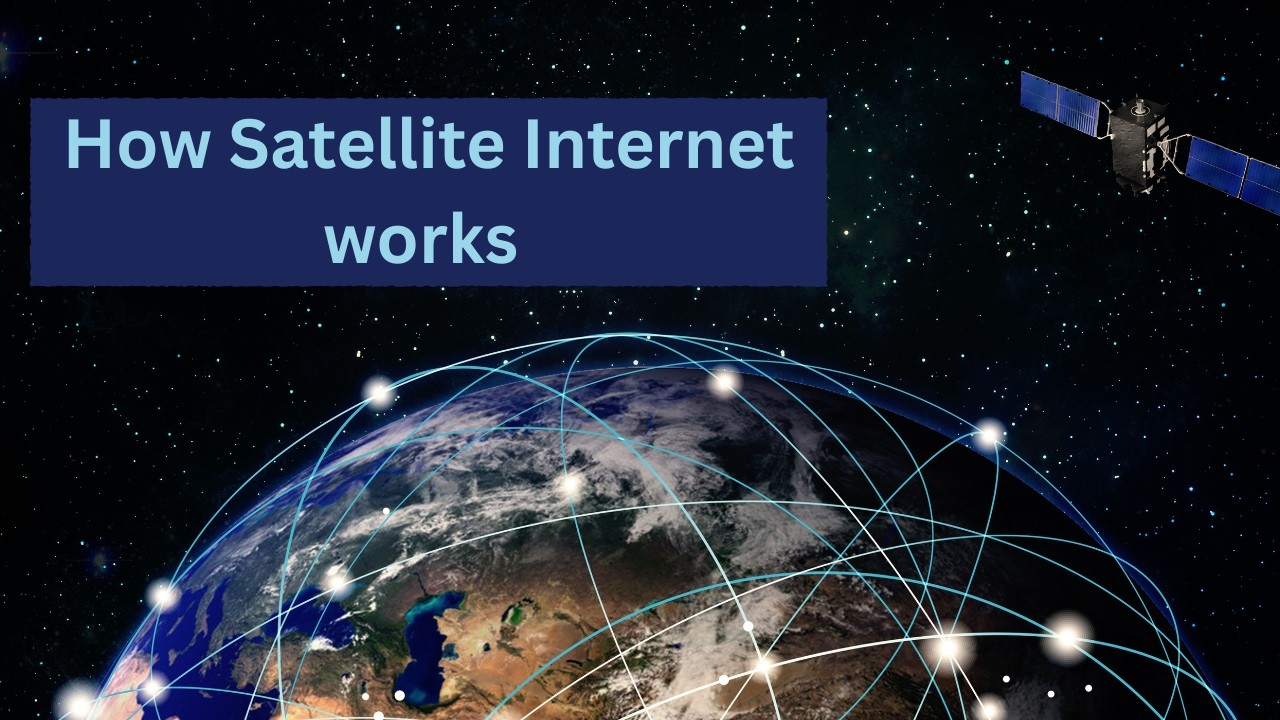
Satellite Internet Explained: Why It's a Game-Changer in 2025
⚡ THE VIBE
✨Satellite Internet is a revolutionary technology that beams internet access from space, offering connectivity to even the most remote corners of our planet, bypassing traditional terrestrial infrastructure. It's literally reaching for the stars to bring the web to everyone! 🚀
§1The Cosmic Connection: What is Satellite Internet?
Imagine your internet connection not traveling through underground cables or fiber optics, but soaring through the vastness of space! That's the magic of Satellite Internet. It's a system where your data travels from your home antenna (a 'dish') to an orbiting satellite, which then relays it to a ground station connected to the internet backbone, and back again. This incredible dance allows people in rural areas, on ships at sea, or even in disaster zones to get online, where traditional broadband simply can't reach. It's a testament to human ingenuity, turning the sky into a superhighway for data. 🌐
§2From Geostationary Giants to Low-Earth Orbit Constellations: An Evolution Story
The journey of satellite internet began with Geostationary Earth Orbit (GEO) satellites, positioned about 35,786 kilometers (22,236 miles) above the equator. These massive satellites, like those from early providers such as HughesNet and Viasat, offer wide coverage but suffer from significant latency due to the immense distance data must travel. Think of it as a long-distance phone call with a slight delay. 📞 The 2020s, however, brought a game-changing evolution: Low-Earth Orbit (LEO) constellations. Companies like Starlink and OneWeb launched thousands of smaller satellites just a few hundred kilometers up. This drastically reduces latency, making satellite internet feel much more like terrestrial broadband. It's a true space race for connectivity! 🛰️➡️🌍
§3How It Works: Beaming Bytes Across the Blackness
At its core, satellite internet relies on three main components: a satellite dish (or user terminal) at your location, an orbiting satellite, and a ground station (or gateway) connected to the internet. When you click a link, your dish sends a request to the satellite. The satellite then beams that request down to a ground station, which accesses the internet. The requested data then reverses the journey: from the internet to the ground station, up to the satellite, and finally back down to your dish. For LEO systems, the satellites also communicate with each other via laser links, forming a mesh network in space. This complex choreography happens in milliseconds, bringing the world to your fingertips. ✨
§4Impact and the Digital Divide: Bridging the Gaps
The significance of satellite internet cannot be overstated. It's a powerful tool in closing the digital divide, providing access to education, healthcare, and economic opportunities for billions who were previously unconnected. Imagine a remote village suddenly able to access online learning or telehealth services! 🧑💻 It's also vital for disaster relief, providing critical communication when ground infrastructure fails. Key players in this space include:
§5Challenges and the Future: A Sky Full of Promise (and Satellites)
Despite its incredible promise, satellite internet faces challenges. Cost can be a barrier, both for the equipment and the monthly service. Weather can also impact signal quality, though modern systems are increasingly robust. And with thousands of LEO satellites launching, concerns about space debris and light pollution for astronomers are growing. However, the future is bright! Innovations in satellite technology, like more powerful phased-array antennas and advanced propulsion systems, are continuously improving performance and reducing costs. We're also seeing new applications, from connecting autonomous vehicles to enabling IoT devices in remote locations. The sky is no longer the limit; it's the network! 🌌