Roman Mythology
Gods, legends, and the epic tales that built an empire! 🏛️✨
Featured partners and sponsors
New advertisers get $25 in ad credits
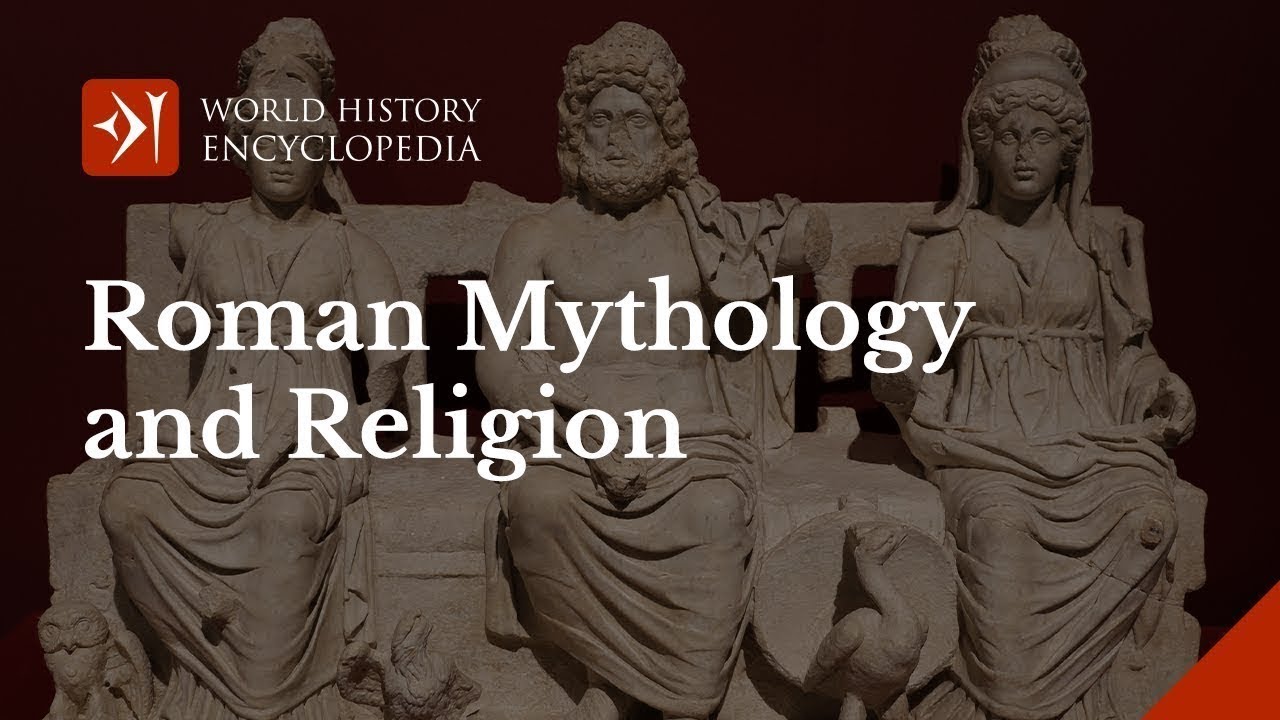
An Introduction to the Ancient Roman Religion and Mythology
⚡ THE VIBE
✨Dive into the vibrant world of **Roman Mythology**, a rich tapestry of gods, heroes, and legends that not only fueled the rise of an empire but continues to inspire art, literature, and even our modern language. It's more than just stories; it's the very soul of ancient Rome! 🌟
§1The Pantheon's Grand Entrance: An Overview 🎭
Welcome to the celestial soap opera that is Roman Mythology! Far from being mere tales for children, these myths were the bedrock of Roman society, influencing everything from their daily rituals to their grandest architectural feats. Imagine a world where Jupiter, king of the gods, hurled thunderbolts from Mount Olympus (or rather, the Roman equivalent, the Capitoline Hill), and Venus, goddess of love, was the divine ancestor of the mighty Julius Caesar himself! 👑 This pantheon of deities, often depicted with very human flaws and passions, provided explanations for natural phenomena, justified political power, and offered moral guidance. It's a universe brimming with epic quests, tragic romances, and divine interventions that shaped the destiny of both gods and mortals. 📜
§2From Hearth Gods to Heavenly Hosts: Origins & Evolution 🌍
Unlike the Greeks, whose myths often sprang from poetic narratives, early Roman religion was more focused on practical, ritualistic worship of abstract forces and spirits known as numina. Think of household gods like the Lares (guardians of the home) and Penates (protectors of the pantry), or the spirit of the doorway, Janus, who looked both forward and backward.🚪 Over time, as Rome expanded and encountered other cultures, particularly the sophisticated Greeks, their mythology began to evolve dramatically. They adopted and adapted the Greek pantheon, often simply renaming the gods (Zeus became Jupiter, Hera became Juno, Athena became Minerva, etc.) and blending their own indigenous traditions with these Hellenic narratives. This cultural fusion gave Roman mythology its distinctive flavor, creating a system that was both deeply Roman and broadly Mediterranean. For a deeper dive into the Greek roots, check out Greek Mythology. 🏛️
§3The Divine Bureaucracy: Key Deities & Their Domains ⚡
The Roman pantheon was a bustling bureaucracy of divine power, each deity overseeing specific aspects of life, war, and nature. Knowing these key players is like having a VIP pass to ancient Roman thought! Here are some of the heavy hitters:
§4Mythology in the Marble: Cultural Impact & Legacy 🎨
The impact of Roman Mythology on Western civilization is simply immeasurable. It wasn't just stories; it was the operating system of an empire! Roman myths were immortalized in epic poems like Virgil's Aeneid, which provided a divine origin story for Rome itself, linking its founders to the Trojan War. They adorned temples, public buildings, and private villas, depicted in stunning frescoes, mosaics, and sculptures. Think of the grandeur of the Pantheon or the intricate carvings on the Ara Pacis! Even today, Roman mythology permeates our world. The names of planets (Mars, Jupiter, Venus), months (January, March, June), and countless scientific terms are direct descendants of these ancient deities. It's a testament to their enduring power that these stories, once whispered around campfires and recited in grand theaters, still resonate in our 21st-century lexicon. For more on ancient Roman art, see Roman Art and Architecture. 🖼️✨
§5Why It Still Matters: Modern Echoes & Enduring Allure 🌌
So, why should we care about Roman Mythology in 2026? Because these tales are more than just historical curiosities; they are timeless explorations of human nature, power, love, and destiny. They offer insights into the values and anxieties of a civilization that laid much of the groundwork for our own. From Shakespeare to Marvel Comics, the archetypes and narratives of Roman mythology continue to be reinterpreted and reimagined, proving their universal appeal. Understanding these myths helps us decode countless references in literature, art, and even pop culture, enriching our appreciation of the world around us. Plus, let's be honest, who doesn't love a good story about gods behaving badly or heroes achieving the impossible? It's the ultimate ancient drama, still captivating audiences millennia later! 🚀 For official academic resources, check out the American Classical League. 📚