Pre-Lenten Traditions
Feast, Folly, and Farewell: The Epic Party Before the Penance! 🥳
Featured partners and sponsors
New advertisers get $25 in ad credits
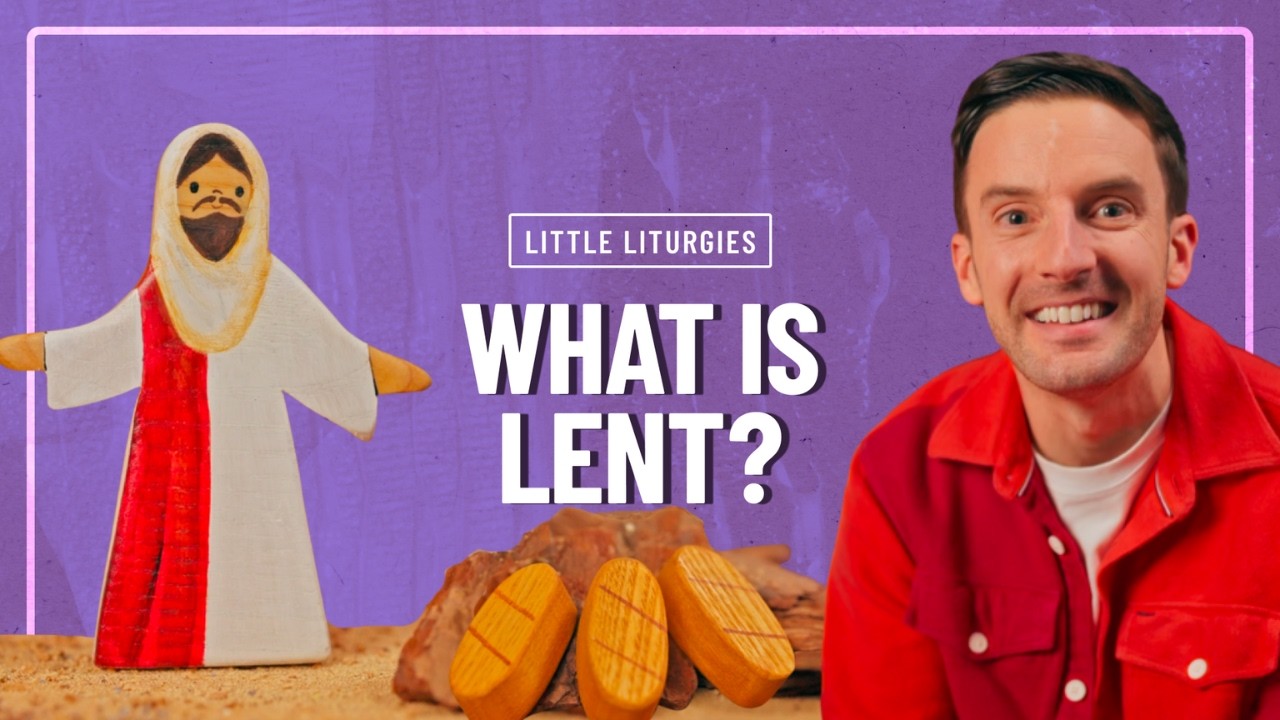
What is Lent? // Lenten Little Liturgies
⚡ THE VIBE
✨Before the solemn fast of Lent begins, many cultures erupt in a final, glorious burst of feasting, masquerade, and revelry, creating a vibrant tapestry of traditions that are as old as Christianity itself. From decadent pancakes to wild street parades, these pre-Lenten celebrations are a fascinating blend of ancient pagan rites and Christian observance.
§1The Grand Send-Off: What Are Pre-Lenten Traditions?
Imagine a world where the arrival of spring meant a period of intense spiritual reflection, fasting, and abstinence. That's Lent! 🧘♀️ But before diving into such a rigorous season, humanity, being humanity, decided a final, spectacular hurrah was in order. Pre-Lenten traditions are the vibrant, often chaotic, celebrations that precede Ash Wednesday, the official start of Lent. They are a collective exhale, a last indulgence before the spiritual journey begins. Think of it as the ultimate 'treat yourself' moment, often fueled by rich foods that would soon be forbidden, like meat, dairy, and sugar. These traditions are not just about eating; they're about community, catharsis, and a deep, historical connection to the cycles of the year. 🥳
§2From Saturnalia to Shrove Tuesday: A Rich History
The roots of pre-Lenten revelry stretch back much further than Christianity, intertwining with ancient pagan festivals that celebrated the end of winter and the coming of spring. The Roman festival of Saturnalia, for instance, was a time of feasting, role reversal, and general merriment that undoubtedly influenced early Christian practices. As Christianity spread, these existing traditions often merged with new religious observances. The concept of 'Carnival' itself likely derives from the Latin carne levare or carne vale, meaning 'to remove meat' or 'farewell to meat' 🥩. By the Middle Ages, these celebrations were firmly established across Europe, evolving into the diverse forms we see today. It's a fascinating example of cultural syncretism, where old and new beliefs dance together. 🎭
§3A World of Indulgence: Key Customs & Celebrations
While the spirit is universal, the execution is gloriously varied! In many English-speaking countries, the day before Ash Wednesday is known as Shrove Tuesday or Pancake Day 🥞. The tradition of eating pancakes arose from the need to use up rich ingredients like eggs, milk, and sugar before the Lenten fast. Across Latin America and parts of Europe, the period leading up to Lent is dominated by Carnival (or Mardi Gras in French-speaking regions). Think Rio Carnival with its dazzling parades and samba, or Venetian Carnival with its elaborate masks and historical costumes. 👑 In Germany, it's Fasching or Karneval, often featuring satirical parades and political commentary. Each region adds its own unique flavor, from specific dishes like pączki (Polish donuts) to unique dances and musical forms. It's truly a global party! 🎉
§4More Than Just a Party: The Deeper Significance
Beyond the surface-level fun, pre-Lenten traditions serve profound cultural and psychological roles. They offer a vital outlet for collective energy, a chance to blow off steam before a period of introspection. Historically, they also reinforced community bonds, allowing people to come together in shared celebration. For many, these traditions are a powerful link to their heritage, a way to connect with generations past. In an increasingly secular world, the enduring popularity of events like Mardi Gras or Pancake Day speaks to a deeper human need for ritual, celebration, and the cyclical rhythm of life. They remind us that even solemnity needs a joyful prelude. ✨ They are a testament to humanity's enduring spirit of joy and resilience. 💖
§5The Future of Festivities: Evolving Traditions
In 2026, pre-Lenten traditions continue to thrive, adapting to modern times while retaining their ancient core. While some might see them as purely secular events, for countless others, they remain deeply connected to their faith. We're seeing more digital engagement, with virtual parades and online cooking classes for traditional dishes. 📲 Yet, the heart of these celebrations remains the same: a communal gathering, a moment of joyous excess, and a farewell to the ordinary before a period of spiritual renewal. As long as there's a Lent, there will likely be a vibrant, delicious, and often wild pre-Lenten celebration to precede it. Long live the party before the pause! 🎊