Post-Impressionism
Beyond the Fleeting Moment: When Art Got Deep, Bold, and Wild! 🎨✨
Featured partners and sponsors
New advertisers get $25 in ad credits
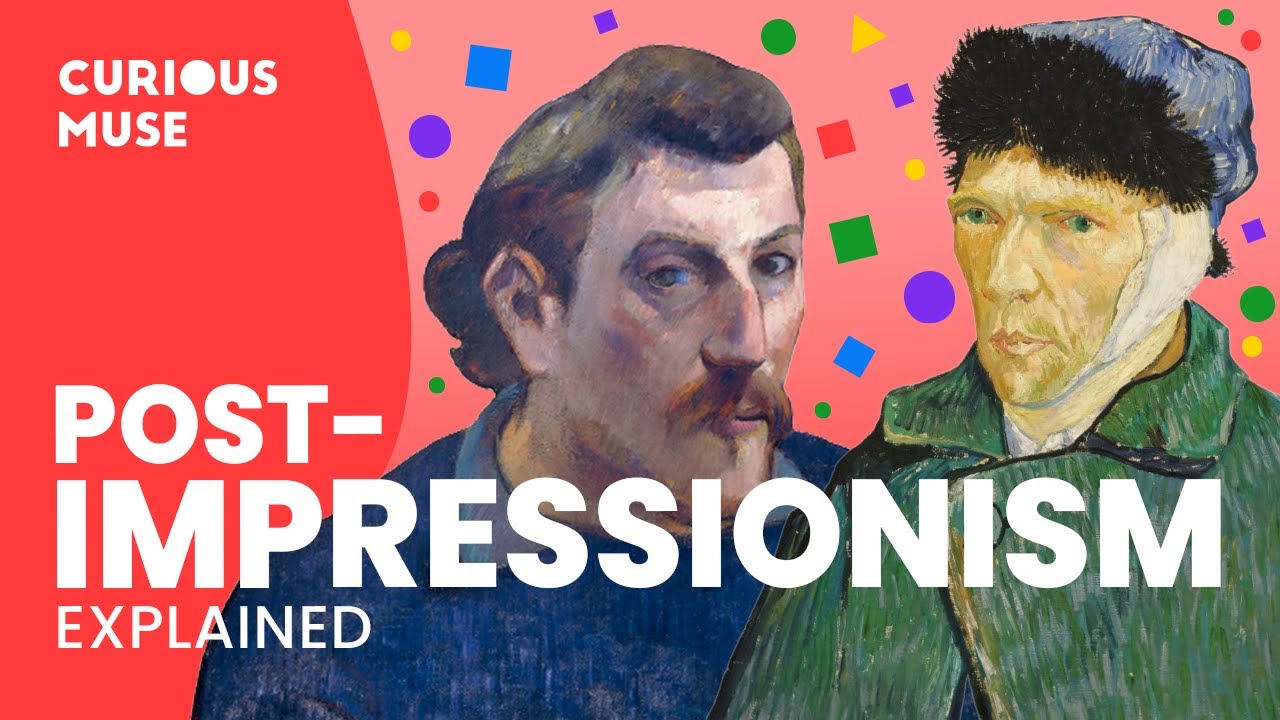
Post-Impressionism in 7 Minutes: How It Transformed Art 🧑🎨
⚡ THE VIBE
✨Post-Impressionism is the electrifying art movement that emerged from the ashes of [Impressionism](impressionism), pushing painting beyond mere visual representation into the realms of emotion, symbolism, and structured form. It's where art truly began to explore the inner world! 🤯
§1The Aftermath of Impressionism: A New Vision Emerges 🌅
Imagine the late 19th century in Paris. Impressionism had just rocked the art world, breaking free from academic strictures and capturing light's fleeting dance. But by the 1880s, a new generation of artists felt something was missing. While they admired the Impressionists' innovative use of color and light, they yearned for more substance, more soul. They wanted art to convey deeper meaning, personal expression, and a sense of permanence that the 'snapshot' quality of Impressionism often lacked. This fertile ground of artistic introspection gave birth to Post-Impressionism, a term coined by art critic Roger Fry in 1910 to describe the diverse, yet interconnected, paths taken by artists like Vincent van Gogh, Paul Cézanne, and Paul Gauguin. It wasn't a single style, but a collective vibe of artistic exploration! 🚀
§2Key Players & Their Revolutionary Styles 🌟
The beauty of Post-Impressionism lies in its incredible diversity, with each major artist carving out a unique path. Think of them as trailblazers, each with their own artistic manifesto:
- Paul Cézanne: The 'father of modern art,' he sought to bring structure and solidity back to painting, analyzing nature into fundamental geometric forms (cylinders, spheres, cones). His work, like his famous still lifes and Mont Sainte-Victoire series, laid the groundwork for Cubism. He wasn't just painting an apple; he was painting the essence of an apple! 🍎
- Vincent van Gogh: An emotional powerhouse, Van Gogh used vibrant, expressive colors and swirling brushstrokes to convey his inner turmoil and spiritual intensity. His iconic 'Starry Night' or 'Sunflowers' aren't just pretty pictures; they're windows into his passionate soul. His art is a raw, unfiltered scream of beauty and pain. 🌻
- Paul Gauguin: Yearning for the 'primitive' and exotic, Gauguin abandoned modern life for Tahiti, where he developed a style known as Synthetism. He used flat planes of color and bold outlines to create symbolic, often spiritual, narratives, rejecting Western naturalism for a more mystical, decorative approach. He believed art should be a dream, not a copy of reality. 🌴
- Georges Seurat: The scientific one! Seurat developed Pointillism (or Divisionism), meticulously applying tiny, distinct dots of pure color that optically blend in the viewer's eye. His masterpiece, 'A Sunday Afternoon on the Island of La Grande Jatte,' is a testament to his methodical genius, creating luminous effects through pure color theory. 🔬
§3Beyond the Brushstroke: Themes & Techniques 💡
While their individual styles varied wildly, Post-Impressionists shared common ground in their departure from Impressionist principles. They moved away from the objective depiction of light and atmosphere towards a more subjective, symbolic, and structured approach. Key characteristics include:
- Emphasis on Symbolism & Emotion: Art was no longer just about what you saw, but how you felt about it, and what deeper meanings it could convey. Colors were used not just to represent reality, but to express emotion. 💖
- Structured Form & Composition: Many Post-Impressionists, especially Cézanne, sought to restore a sense of order and permanence to painting, using geometric shapes and deliberate compositions to build their scenes.
- Bold, Non-Naturalistic Color: Color became a powerful tool for expression, often used arbitrarily or exaggerated for emotional impact rather than strict realism. Think Van Gogh's electric blues and yellows! 🌈
- Visible Brushstrokes: Like the Impressionists, they kept their brushstrokes visible, but often with more deliberate, directional, or patterned applications, adding texture and energy to the surface. 💪 This period truly set the stage for the explosion of modern art movements that followed. It was a time of intense experimentation and a profound shift in artistic purpose.
§4Legacy & Why It Still Matters Today 🌍
The impact of Post-Impressionism is nothing short of monumental. It wasn't just a bridge between Impressionism and the 20th century; it was the launchpad for virtually all subsequent modern art movements. Without Cézanne's structural innovations, there would be no Cubism. Without Van Gogh's emotional intensity, Expressionism might never have bloomed. Gauguin's symbolic use of color and form directly influenced Symbolism and later, Fauvism. Seurat's scientific approach to color foreshadowed optical art. 🤯
Today, Post-Impressionist works remain among the most beloved and recognizable in the world, commanding astronomical prices and drawing millions to museums. Their ability to convey profound human experience, from the serene beauty of a landscape to the raw agony of existence, resonates deeply. It reminds us that art isn't just about seeing; it's about feeling, thinking, and interpreting the world around us, and within us. It's a timeless testament to the power of individual vision! 🖼️✨