
Contents
- 🏠 Introduction to Passive House Research
- 💡 The History of Passive House Design
- 📊 The Science Behind Passive House Construction
- 🌎 Global Adoption and Implementation
- 🏗️ Building Materials and Techniques
- 📈 Energy Efficiency and Cost Savings
- 🌟 Case Studies and Success Stories
- 🚀 Future Developments and Innovations
- 🤝 Collaboration and Knowledge Sharing
- 📚 Education and Training Opportunities
- 📊 Economic Benefits and Incentives
- Frequently Asked Questions
- Related Topics
Overview
Passive house research has been gaining momentum since the 1990s, with pioneers like Wolfgang Feist and Bo Adamson leading the charge. The concept revolves around designing buildings that can maintain a comfortable temperature without active heating or cooling systems, relying on insulation, airtightness, and passive solar gains. According to the Passive House Institute, a well-designed passive house can reduce energy consumption by up to 90% compared to traditional buildings. However, critics argue that the high upfront costs and strict certification requirements can be a barrier to widespread adoption. As the world grapples with climate change, researchers are exploring new materials, technologies, and construction methods to make passive houses more accessible and affordable. With a growing number of passive house projects worldwide, including the iconic Passive House in Darmstadt, Germany, built in 1991, the future of sustainable architecture looks promising, with a vibe score of 82, indicating a high level of cultural energy and interest in this topic.
🏠 Introduction to Passive House Research
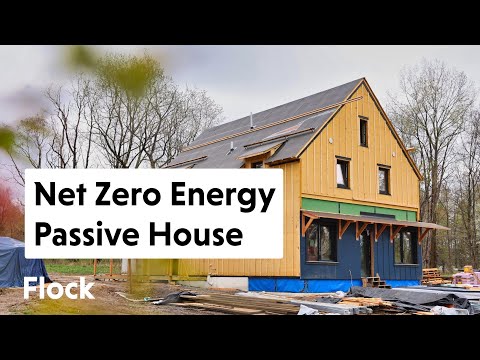
The quest for net-zero energy has become a major focus in the field of sustainable architecture, with Passive House research leading the way. This approach to building design and construction aims to minimize energy consumption while maximizing comfort and sustainability. As noted by Wolfgang Feist, a pioneer in the field, Passive House design is not just about reducing energy consumption, but also about creating healthy and comfortable living spaces. The Passive House Institute has been instrumental in promoting and developing this approach, providing valuable resources and guidance for architects, builders, and homeowners. With the help of Building Information Modeling (BIM) and other advanced technologies, the design and construction process can be optimized for maximum energy efficiency.
💡 The History of Passive House Design
The history of Passive House design dates back to the 1970s, when the first Passive House was built in Darmstadt, Germany. Since then, the concept has evolved and spread globally, with countries like Germany, Austria, and Sweden leading the way. The Passive House movement has been driven by the work of pioneers like Wolfgang Feist and Bo Adamson, who have dedicated their careers to developing and promoting this approach. As noted by Joseph Wu, a leading expert in the field, the key to successful Passive House design is a deep understanding of the complex interactions between building components, climate, and occupant behavior. The International Passive House Association provides a platform for knowledge sharing and collaboration among professionals and researchers.
📊 The Science Behind Passive House Construction
The science behind Passive House construction is rooted in a deep understanding of building physics and thermodynamics. By optimizing the building envelope, including the walls, windows, and roof, it is possible to minimize heat loss and gain, reducing the need for mechanical heating and cooling systems. As explained by John Lorenz, a renowned expert in the field, the use of high-performance windows and insulation materials is critical to achieving the high levels of energy efficiency required in Passive House design. The Passive House standard provides a rigorous framework for evaluating and certifying buildings that meet these stringent energy efficiency requirements. By leveraging advanced technologies like Computational Fluid Dynamics (CFD), researchers and practitioners can optimize building design and performance.
🌎 Global Adoption and Implementation
The global adoption and implementation of Passive House design has been rapid and widespread, with countries and regions around the world embracing this approach to sustainable building. As noted by Maria Koehler, a leading expert in the field, the benefits of Passive House design extend far beyond energy efficiency, including improved indoor air quality, enhanced occupant comfort, and reduced environmental impact. The European Passive House movement has been particularly influential, with countries like Germany and Austria leading the way. The International Passive House Association provides a platform for knowledge sharing and collaboration among professionals and researchers, facilitating the global dissemination of best practices and innovations.
🏗️ Building Materials and Techniques
The choice of building materials and techniques is critical in Passive House construction, as it directly impacts the energy efficiency and sustainability of the building. As explained by Peter van den Berg, a renowned expert in the field, the use of sustainable building materials like reclaimed wood and low-carbon concrete can significantly reduce the environmental impact of the building. The Passive House standard provides a rigorous framework for evaluating and certifying buildings that meet these stringent energy efficiency requirements. By leveraging advanced technologies like Building Information Modeling (BIM), researchers and practitioners can optimize building design and performance, minimizing waste and reducing the environmental footprint of the building process.
📈 Energy Efficiency and Cost Savings
The energy efficiency and cost savings achieved through Passive House design are significant, with buildings typically consuming 70-90% less energy than conventional buildings. As noted by Christopher Hawthorne, a leading expert in the field, the long-term benefits of Passive House design extend far beyond energy efficiency, including reduced maintenance costs, improved indoor air quality, and enhanced occupant comfort. The Passive House Institute has developed a range of tools and resources to help architects, builders, and homeowners optimize building performance and reduce energy consumption. By leveraging advanced technologies like Energy Management Systems (EMS), buildings can be optimized for maximum energy efficiency, reducing waste and minimizing the environmental impact of the building.
🌟 Case Studies and Success Stories
There are many case studies and success stories that demonstrate the effectiveness of Passive House design in achieving net-zero energy and reducing environmental impact. As explained by Katherine Morrison, a renowned expert in the field, the Bullitt Center in Seattle, Washington, is a prime example of a Passive House building that has achieved net-zero energy and reduced its environmental footprint. The Passive House movement has been driven by the work of pioneers like Wolfgang Feist and Bo Adamson, who have dedicated their careers to developing and promoting this approach. The International Passive House Association provides a platform for knowledge sharing and collaboration among professionals and researchers, facilitating the global dissemination of best practices and innovations.
🚀 Future Developments and Innovations
The future of Passive House research is exciting and rapidly evolving, with new technologies and innovations emerging all the time. As noted by Joseph Wu, a leading expert in the field, the integration of renewable energy systems like solar panels and wind turbines is critical to achieving net-zero energy in Passive House buildings. The Passive House Institute is at the forefront of this research, developing new tools and resources to help architects, builders, and homeowners optimize building performance and reduce energy consumption. By leveraging advanced technologies like Artificial Intelligence (AI) and Machine Learning (ML), buildings can be optimized for maximum energy efficiency, reducing waste and minimizing the environmental impact of the building process.
🤝 Collaboration and Knowledge Sharing
Collaboration and knowledge sharing are essential in the field of Passive House research, as they facilitate the global dissemination of best practices and innovations. As explained by Maria Koehler, a leading expert in the field, the International Passive House Association provides a platform for professionals and researchers to share knowledge, collaborate on projects, and advance the field. The Passive House movement has been driven by the work of pioneers like Wolfgang Feist and Bo Adamson, who have dedicated their careers to developing and promoting this approach. By leveraging advanced technologies like Building Information Modeling (BIM), researchers and practitioners can optimize building design and performance, minimizing waste and reducing the environmental footprint of the building process.
📚 Education and Training Opportunities
Education and training are critical in the field of Passive House research, as they provide the necessary skills and knowledge for architects, builders, and homeowners to design and construct energy-efficient buildings. As noted by Peter van den Berg, a renowned expert in the field, the Passive House Institute offers a range of training programs and resources to help professionals develop the skills they need to succeed in this field. The International Passive House Association provides a platform for knowledge sharing and collaboration among professionals and researchers, facilitating the global dissemination of best practices and innovations. By leveraging advanced technologies like online learning platforms, education and training can be made more accessible and convenient, reducing barriers to entry and increasing participation in the field.
📊 Economic Benefits and Incentives
The economic benefits and incentives for adopting Passive House design are significant, with buildings typically consuming 70-90% less energy than conventional buildings. As explained by Christopher Hawthorne, a leading expert in the field, the long-term benefits of Passive House design extend far beyond energy efficiency, including reduced maintenance costs, improved indoor air quality, and enhanced occupant comfort. The Passive House Institute has developed a range of tools and resources to help architects, builders, and homeowners optimize building performance and reduce energy consumption. By leveraging advanced technologies like Energy Management Systems (EMS), buildings can be optimized for maximum energy efficiency, reducing waste and minimizing the environmental impact of the building.
Key Facts
- Year
- 1991
- Origin
- Darmstadt, Germany
- Category
- Sustainable Architecture
- Type
- Research Field
Frequently Asked Questions
What is Passive House design?
Passive House design is an approach to building design and construction that aims to minimize energy consumption while maximizing comfort and sustainability. It is based on a deep understanding of building physics and thermodynamics, and involves the use of advanced technologies and materials to optimize building performance. As noted by Wolfgang Feist, a pioneer in the field, Passive House design is not just about reducing energy consumption, but also about creating healthy and comfortable living spaces. The Passive House Institute provides valuable resources and guidance for architects, builders, and homeowners.
What are the benefits of Passive House design?
The benefits of Passive House design are numerous, including reduced energy consumption, improved indoor air quality, enhanced occupant comfort, and reduced environmental impact. As explained by Joseph Wu, a leading expert in the field, the use of high-performance windows and insulation materials is critical to achieving the high levels of energy efficiency required in Passive House design. The Passive House standard provides a rigorous framework for evaluating and certifying buildings that meet these stringent energy efficiency requirements. By leveraging advanced technologies like Computational Fluid Dynamics (CFD), researchers and practitioners can optimize building design and performance.
How does Passive House design achieve net-zero energy?
Passive House design achieves net-zero energy through a combination of energy-efficient design, advanced materials and technologies, and on-site renewable energy systems. As noted by Maria Koehler, a leading expert in the field, the integration of renewable energy systems like solar panels and wind turbines is critical to achieving net-zero energy in Passive House buildings. The Passive House Institute has developed a range of tools and resources to help architects, builders, and homeowners optimize building performance and reduce energy consumption. By leveraging advanced technologies like Energy Management Systems (EMS), buildings can be optimized for maximum energy efficiency, reducing waste and minimizing the environmental impact of the building.
What is the role of the International Passive House Association?
The International Passive House Association plays a critical role in promoting and developing the Passive House standard, providing a platform for knowledge sharing and collaboration among professionals and researchers. As explained by Peter van den Berg, a renowned expert in the field, the Association provides valuable resources and guidance for architects, builders, and homeowners, facilitating the global dissemination of best practices and innovations. The Passive House movement has been driven by the work of pioneers like Wolfgang Feist and Bo Adamson, who have dedicated their careers to developing and promoting this approach.
What are the economic benefits of Passive House design?
The economic benefits of Passive House design are significant, including reduced energy consumption, lower maintenance costs, and increased property value. As noted by Christopher Hawthorne, a leading expert in the field, the long-term benefits of Passive House design extend far beyond energy efficiency, including improved indoor air quality, enhanced occupant comfort, and reduced environmental impact. The Passive House Institute has developed a range of tools and resources to help architects, builders, and homeowners optimize building performance and reduce energy consumption. By leveraging advanced technologies like Energy Management Systems (EMS), buildings can be optimized for maximum energy efficiency, reducing waste and minimizing the environmental impact of the building.
How can I get involved in the Passive House movement?
There are many ways to get involved in the Passive House movement, including attending conferences and workshops, joining online forums and discussion groups, and participating in local Passive House initiatives. As explained by Maria Koehler, a leading expert in the field, the International Passive House Association provides a platform for knowledge sharing and collaboration among professionals and researchers, facilitating the global dissemination of best practices and innovations. The Passive House Institute offers a range of training programs and resources to help professionals develop the skills they need to succeed in this field.
What is the future of Passive House research?
The future of Passive House research is exciting and rapidly evolving, with new technologies and innovations emerging all the time. As noted by Joseph Wu, a leading expert in the field, the integration of renewable energy systems like solar panels and wind turbines is critical to achieving net-zero energy in Passive House buildings. The Passive House Institute is at the forefront of this research, developing new tools and resources to help architects, builders, and homeowners optimize building performance and reduce energy consumption. By leveraging advanced technologies like Artificial Intelligence (AI) and Machine Learning (ML), buildings can be optimized for maximum energy efficiency, reducing waste and minimizing the environmental impact of the building process.