Open Market Operations
The Central Bank's Secret Sauce for Steering the Economy 🚀
Featured partners and sponsors
New advertisers get $25 in ad credits
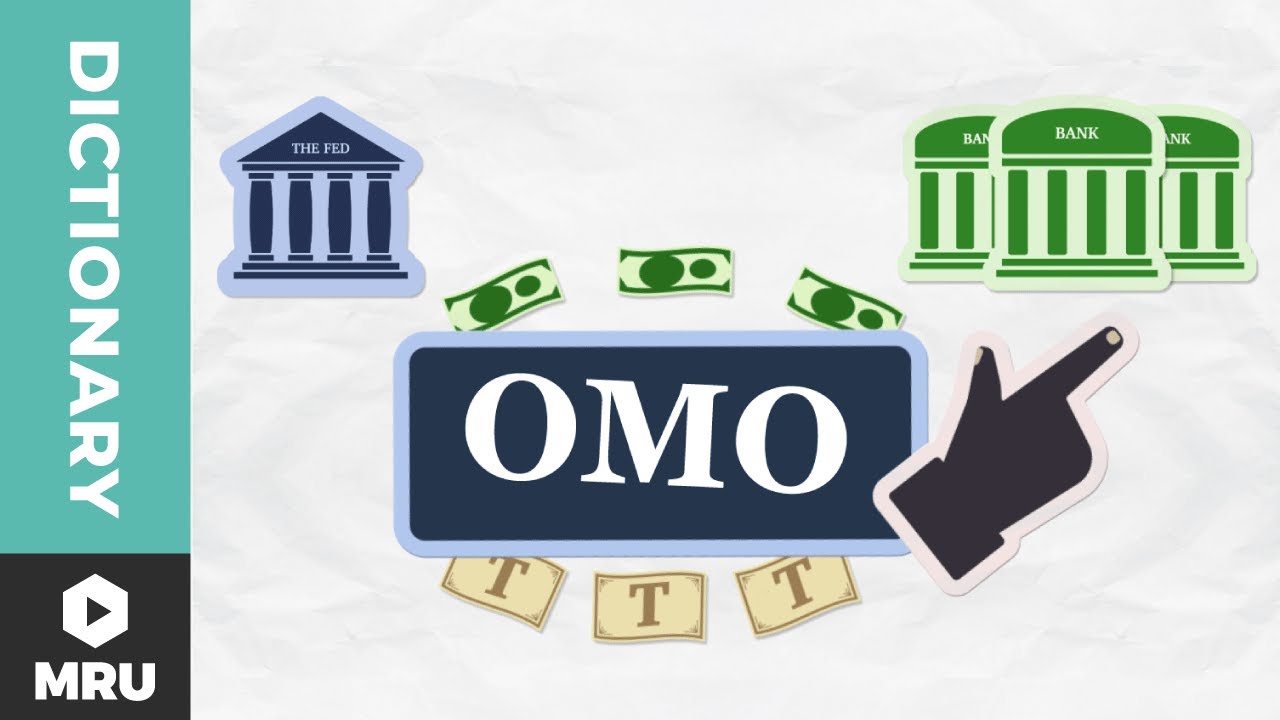
What are Open Market Operations?
⚡ THE VIBE
✨Open Market Operations (OMOs) are the primary tool central banks wield to influence the money supply, interest rates, and ultimately, the entire economy, by buying or selling government securities in the open market. It's like the financial world's most powerful, yet often invisible, lever! lever 💰
§1What Are Open Market Operations? 💡
Imagine the economy as a vast ocean, and the central bank (like the Federal Reserve in the U.S. or the European Central Bank) as its seasoned captain. Open Market Operations (OMOs) are their most direct and frequently used method to adjust the currents of money and credit. Simply put, OMOs involve the buying and selling of government securities—think Treasury bonds, bills, and notes—in the open market between the central bank and commercial banks. It's a subtle yet incredibly powerful dance that determines how much money is sloshing around in the financial system. When the central bank buys securities, it injects money into the system; when it sells them, it pulls money out. This ebb and flow directly impacts the availability of funds for lending and investment, making it a cornerstone of modern monetary policy. 🌊
§2The Genesis: From Humble Beginnings to Economic Powerhouse 📜
While the concept of central banks influencing money supply has ancient roots, OMOs as we know them truly took shape with the establishment of the Federal Reserve System in the United States in 1913. Initially, the Fed primarily used the discount window (lending directly to banks) to manage liquidity. However, it quickly became clear that directly intervening in the market for government bonds offered a more flexible and less stigmatizing way to influence conditions. The Great Depression of the 1930s underscored the need for robust tools, and OMOs evolved into the sophisticated instrument we recognize today. Over the decades, other central banks worldwide adopted similar strategies, solidifying OMOs as the go-to mechanism for short-term monetary control. It's a testament to their effectiveness that they've remained central to economic management for over a century! 🕰️
§3How the Magic Happens: Buying, Selling, and Interest Rates 💫
The core mechanism of OMOs is deceptively simple but profoundly impactful. When a central bank wants to lower interest rates and stimulate the economy (e.g., during a recession), it buys government securities from commercial banks. This transaction means the central bank pays the commercial banks, increasing their reserves. With more reserves, banks have more money to lend, which drives down the federal funds rate (the rate banks charge each other for overnight lending) and, consequently, other interest rates throughout the economy. Cheaper loans encourage borrowing and investment, boosting economic activity. Conversely, when the central bank wants to raise interest rates and cool down an overheating economy (e.g., to combat inflation), it sells government securities to commercial banks. This drains reserves from the banking system, making money scarcer and more expensive, thus pushing interest rates up. It's a delicate balancing act, often conducted with precision to avoid economic shocks. ⚖️
§4Impact & Significance: The Invisible Hand of Monetary Policy 🖐️
The significance of Open Market Operations cannot be overstated. They are the central bank's most powerful and flexible tool for implementing monetary policy. By subtly adjusting the money supply, OMOs influence everything from the cost of your mortgage and car loan to the profitability of businesses and the overall rate of economic growth and employment. They are crucial for:
§5Types of OMOs & Modern Adaptations 🚀
Historically, OMOs primarily involved outright purchases or sales of securities. However, modern central banks employ a more nuanced toolkit:
§6Why It Matters: Steering the Economic Ship 🚢
In an increasingly interconnected global economy, the stability and growth of nations often hinge on the astute management of monetary policy. Open Market Operations are at the heart of this management. They represent a sophisticated, dynamic mechanism through which central banks can respond to changing economic conditions, whether it's fending off a recession, taming inflation, or ensuring financial stability. Understanding OMOs gives you a glimpse into the powerful forces that shape our financial landscape, making them a truly game-changing concept in the world of economics. So next time you hear about the central bank's latest moves, remember the quiet power of buying and selling bonds! 🌐