Nihonbashi
Tokyo's Historic Heartbeat: Where Edo's Legacy Meets Modern Commerce! 🌉✨
Featured partners and sponsors
New advertisers get $25 in ad credits
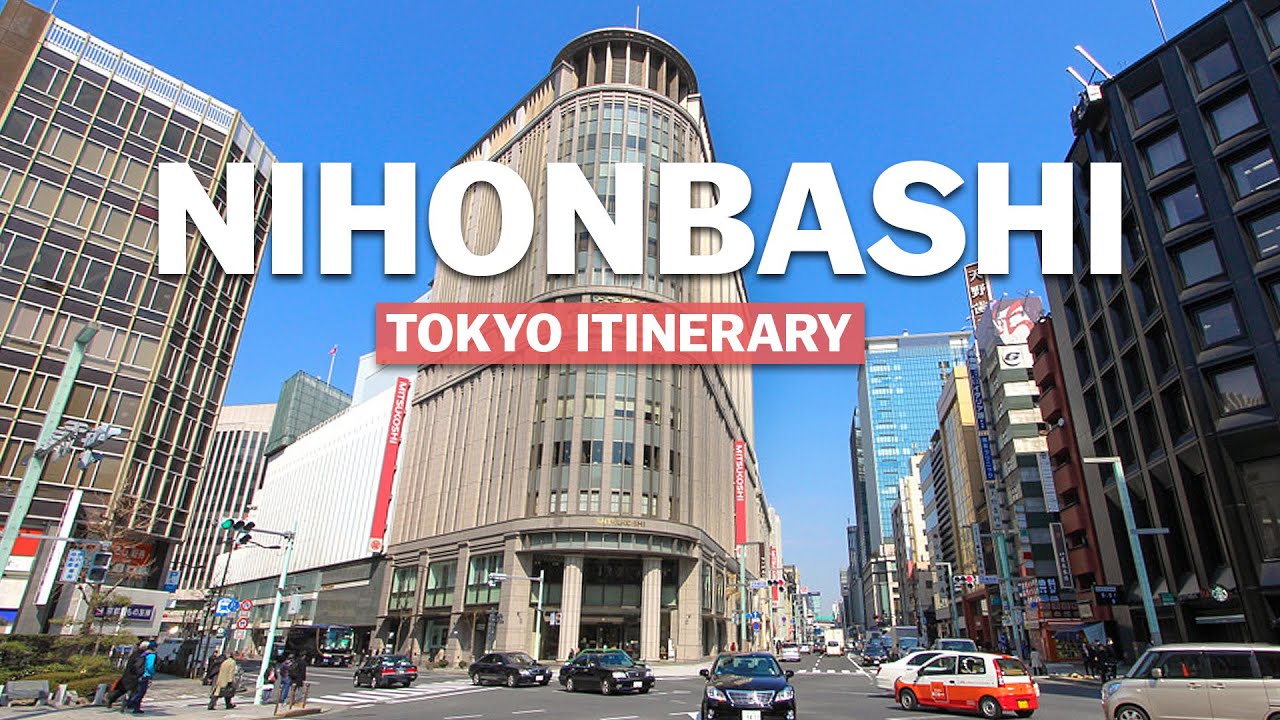
Nihonbashi | 1-Day Itinerary in the Heart of Tokyo
⚡ THE VIBE
✨Nihonbashi, literally 'Japan Bridge,' isn't just a district; it's the historical and commercial soul of Tokyo, serving as the zero-mile marker for Japan's ancient highway system and a vibrant hub where tradition and cutting-edge commerce beautifully intertwine. It's where the past whispers through modern skyscrapers! 🏙️📜
§1The Epicenter of Edo: A Bridge to History 🌟
Imagine a bustling metropolis, the heart of a burgeoning nation, and at its very core, a single, iconic bridge. That's Nihonbashi for you! Since its construction in 1603, this district has been the undisputed commercial and cultural epicenter of Japan, especially during the Edo period (1603-1868). It was the starting point for all five major Gokaido (five great roads) that connected Edo (modern-day Tokyo) to the rest of the country, making it the literal 'center of Japan' for travel and trade. Think of it as the Times Square or Piccadilly Circus of its day, but with a rich, deep history stretching back centuries. 🗺️🚶♂️
§2From Wooden Arch to Concrete Canopy: Evolution of an Icon 🏗️
The original Nihonbashi bridge was a magnificent wooden structure, frequently depicted in ukiyo-e prints by masters like Hiroshige. It was a symbol of prosperity and connection. However, the 20th century brought rapid modernization. In 1911, the wooden bridge was replaced by the elegant stone bridge we see today, a testament to Western architectural influences. The most dramatic change, though, came with the 1964 Tokyo Olympics, when an elevated expressway was built directly over the bridge. This decision, while practical for traffic flow, controversially obscured the historic landmark from the sky, sparking ongoing debates about urban planning and historical preservation. It's a poignant example of the tension between progress and heritage. 🚗💨
§3A Commercial Powerhouse: Old Money, New Ventures 💰
Nihonbashi has always been synonymous with commerce. It's home to some of Japan's oldest and most prestigious department stores, like Mitsukoshi and Takashimaya, which have been serving discerning customers for over a century. Beyond retail giants, you'll find the headquarters of major financial institutions and corporations, solidifying its status as a global business hub. But it's not all glass and steel; traditional businesses, like nori (seaweed) shops, katsuobushi (dried bonito) purveyors, and wagashi (Japanese confectionery) stores, thrive here, many run by families for generations. This blend of old and new makes for a fascinating economic tapestry. 📈🍣
§4Cultural Crossroads & Culinary Delights 🎨🍜
Beyond its commercial prowess, Nihonbashi is a vibrant cultural district. The area is dotted with historic shrines, traditional craft shops, and art galleries. The Coredo Muromachi complex, for instance, beautifully blends modern shopping and dining with traditional Japanese aesthetics and local artisan goods. Foodies rejoice here! From Michelin-starred restaurants to humble, time-honored soba noodle shops and unagi (eel) specialists, Nihonbashi offers an incredible array of culinary experiences. It’s a place where you can savor the flavors of Edo-era Japan alongside contemporary gastronomic innovations. Don't forget to look for the 'Kilometer Zero' marker on the bridge itself – a powerful reminder of its historical significance! 🥢🖼️