New Orleans Music
The Soulful Symphony of the Crescent City
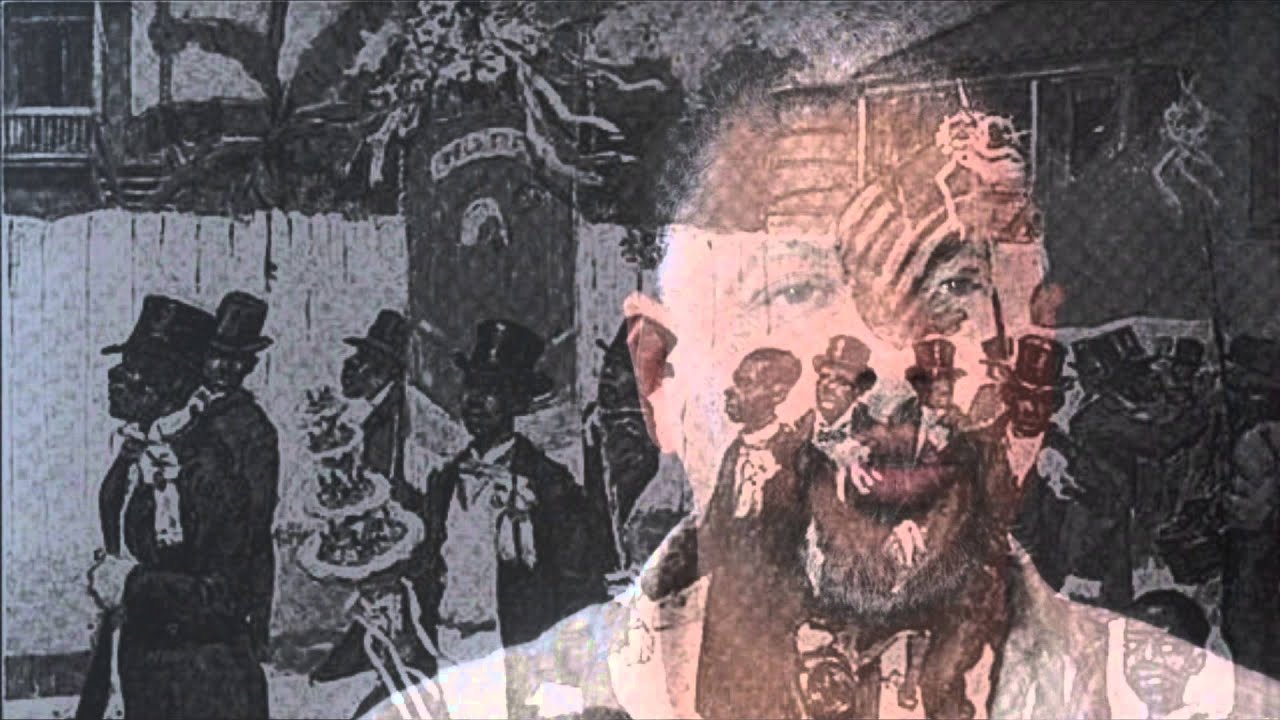
THE SECOND LINE (Historical Documentary of New Orleans Music & Culture)
TL;DR
New Orleans music is the vibrant, ever-evolving sonic tapestry woven from centuries of diverse cultural influences, widely recognized as the birthplace of jazz and a foundational force in American popular music.
Step into New Orleans, and you don't just hear music; you *feel* it in your bones, a vibrant, pulsating energy that defines the very air. This isn't background noise; it's the city's primary language, a complex dialect born from an unparalleled cultural gumbo. Imagine the early 19th century: a port city, a melting pot unlike any other in North America. French, Spanish, African, Caribbean, and Indigenous influences swirled together, creating a fertile ground for new sounds. Congo Square, a designated gathering place for enslaved and free people of color, became a crucible where African rhythms and melodies met European instrumentation, laying the foundational grooves for everything that followed.
The late 19th and early 20th centuries witnessed the birth of a phenomenon: Jazz. From the raucous brass bands marching through the streets for funerals and celebrations, to the smoky Storyville brothels where pianists honed their craft, New Orleans was a sonic laboratory. Figures like Buddy Bolden, Jelly Roll Morton, and the incomparable Louis Armstrong didn't just play music; they invented new ways of expressing joy, sorrow, and defiance. Their improvisational spirit, syncopated rhythms, and collective improvisation became the blueprint for a genre that would conquer the world, proving that music could be both deeply personal and universally understood.
But New Orleans didn't stop at jazz. As the decades rolled on, the city continued its relentless innovation. The 1940s and 50s saw the emergence of Rhythm and Blues, a grittier, more danceable sound that blended blues with boogie-woogie and gospel. Artists like Fats Domino, Professor Longhair, and Allen Toussaint crafted hits that defined an era, their distinctive piano riffs and infectious beats becoming the bedrock of rock and roll. Think about it: without the New Orleans R&B sound, the landscape of popular music would be drastically different. It was the original vibe check for popular music.
Fast forward to the latter half of the 20th century, and New Orleans was still cooking up fresh sounds. Funk, with its emphasis on groove, syncopation, and a heavy backbeat, found its spiritual home here. The Meters, a band whose influence can still be heard in countless modern tracks, practically wrote the textbook on funk. And the brass band tradition, far from fading, evolved into a dynamic, modern force with groups like the Rebirth Brass Band, blending traditional second-line rhythms with hip-hop, R&B, and contemporary pop, proving that New Orleans music is a living, breathing entity, constantly reinventing itself while honoring its roots.
Today, in 2026, New Orleans music remains as vital and influential as ever. From the street corners of the French Quarter to the grand stages of Jazz Fest, the city pulses with an energy that's both ancient and cutting-edge. It's a testament to resilience, a celebration of cultural fusion, and a constant reminder that music is more than just entertainment – it's a powerful force for community, identity, and pure, unadulterated joy. It's the sound of a city that refuses to be silenced, a symphony of survival and triumph, inviting everyone to join the parade.