Neuroplasticity
Your Brain: The Ultimate Remodeling Project 🧠✨
Featured partners and sponsors
New advertisers get $25 in ad credits
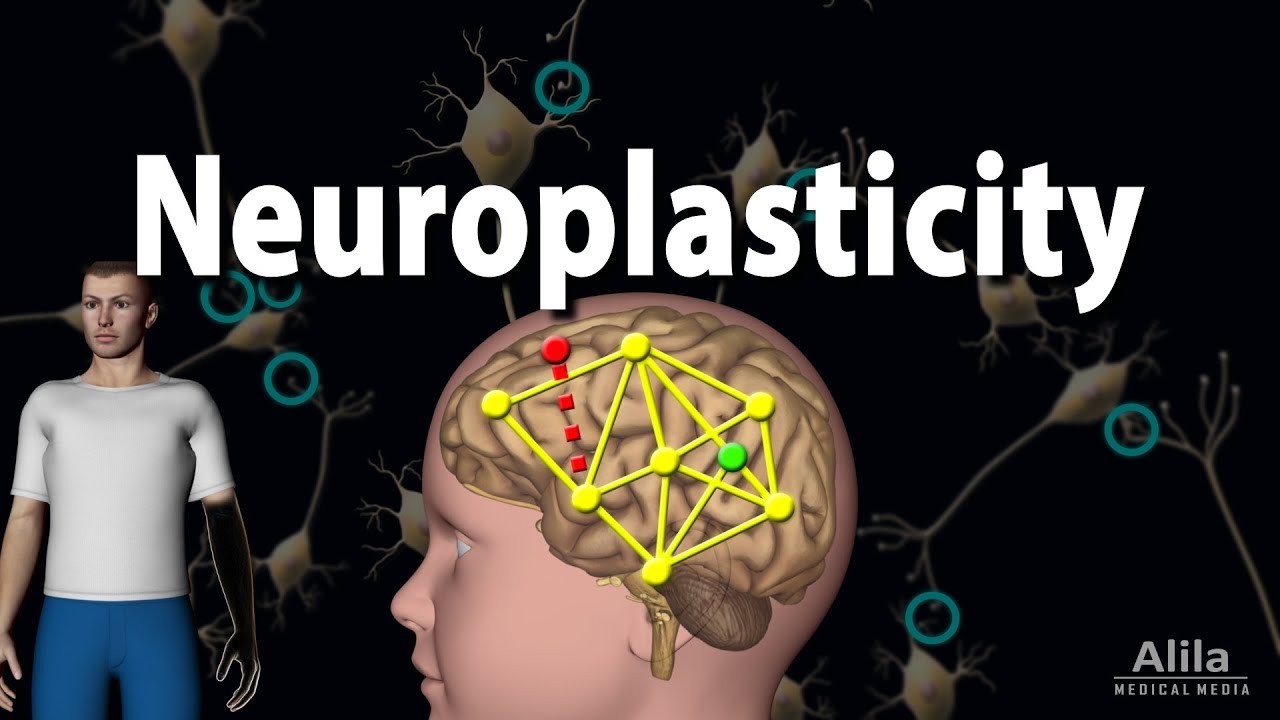
Neuroplasticity, Animation.
⚡ THE VIBE
✨Neuroplasticity, often called **brain plasticity**, is the mind-blowing ability of your brain to reorganize itself throughout life, forming new neural connections and adapting to new experiences, learning, and even injury. It's the secret sauce behind every skill you've ever learned and every memory you've ever made! 🚀
§1What is Neuroplasticity? The Brain's Superpower! 💪
Imagine your brain not as a rigid, unchangeable machine, but as a dynamic, ever-evolving landscape. That's neuroplasticity in a nutshell! It's the extraordinary capacity of the brain to change its structure and function in response to experience. This isn't just about childhood development; it's a lifelong process. From learning a new language to recovering from a stroke, your brain is constantly rewiring itself, strengthening some connections while pruning others. It's truly a marvel of biological engineering, allowing us to adapt, learn, and grow continuously. Think of it as your brain's built-in update mechanism, always optimizing for the world around you. 🌟
§2A Journey Through Time: The Discovery of Brain Plasticity 🕰️
For centuries, scientists believed the adult brain was a static organ, largely fixed after a critical period in childhood. The idea that neurons could change and adapt was revolutionary! The term 'neuroplasticity' itself was coined by Polish neuroscientist Jerzy Konorski in 1948, but it wasn't widely accepted until the groundbreaking work of scientists like Michael Merzenich and others in the latter half of the 20th century. Their research, particularly on sensory maps and learning in animals, provided undeniable evidence that the brain was far more malleable than previously thought. This paradigm shift opened up entirely new avenues for understanding learning, memory, and recovery from brain injury. It truly changed how we view the most complex organ in the known universe! 🤯 For more historical context, explore the History of Neuroscience.
§3How Does It Work? The Mechanics of Rewiring 🛠️
At its core, neuroplasticity operates on several levels. The most fundamental is at the synaptic level, where the connections between neurons—called synapses—can be strengthened or weakened. This is often summarized by Donald Hebb's famous adage: 'Neurons that fire together, wire together.' When you learn something new or repeat an action, specific neural pathways are activated repeatedly, making those connections more efficient. But it's not just about strengthening; the brain can also prune unused connections, making space for new learning. Beyond synapses, neuroplasticity also involves: 1. Neurogenesis: The birth of new neurons, primarily in areas like the hippocampus. 2. Synaptogenesis: The formation of entirely new synapses. 3. Axonal and Dendritic Sprouting: Neurons growing new branches to connect with other neurons. These intricate mechanisms allow the brain to constantly restructure itself, adapting to new demands and experiences. For a deeper dive into these processes, check out resources from the Society for Neuroscience. 🔬
§4The Real-World Impact: Why Neuroplasticity Matters So Much! 🌍
Neuroplasticity isn't just a fascinating scientific concept; it has profound implications for our daily lives and well-being. It's the biological basis for: * Learning and Memory: Every new skill, language, or piece of information you acquire is thanks to your brain's plastic nature. * Recovery from Injury: Patients recovering from stroke or traumatic brain injury can regain lost functions because their brains can reroute pathways and compensate for damaged areas through intensive therapy. * Mental Health: Understanding neuroplasticity helps us develop better treatments for conditions like depression and anxiety, as therapies often aim to rewire maladaptive thought patterns. * Cognitive Enhancement: Practices like meditation, learning new instruments, or engaging in complex problem-solving can actively promote beneficial brain changes, keeping our minds sharp as we age. It empowers us to believe that change and growth are always possible, regardless of age! 💡
§5Harnessing Your Brain's Power: Tips for Boosting Plasticity 🚀
Want to keep your brain vibrant and adaptable? Good news! You can actively engage in activities that promote neuroplasticity. It's not about magic pills, but consistent, stimulating engagement. Here are some pro-tips: * Learn New Things: Pick up a musical instrument, learn a new language, or master a complex game like chess. Novelty is your brain's best friend! * Physical Exercise: Aerobic exercise increases blood flow to the brain and promotes the growth of new neurons. Get moving! * Mindfulness & Meditation: These practices can alter brain structure, improving attention and emotional regulation. * Quality Sleep: Sleep is crucial for consolidating memories and pruning unnecessary connections, making space for new learning. * Healthy Diet: Fuel your brain with nutrient-rich foods, especially omega-3 fatty acids found in fish. * Social Interaction: Engaging with others stimulates various cognitive functions and keeps your brain active. Remember, your brain is a 'use it or lose it' organ – keep challenging it! For more wellness tips, visit the National Institute of Neurological Disorders and Stroke.