Nasty Gal
From eBay vintage to fast fashion empire: The wild ride of Nasty Gal.
Featured partners and sponsors
New advertisers get $25 in ad credits
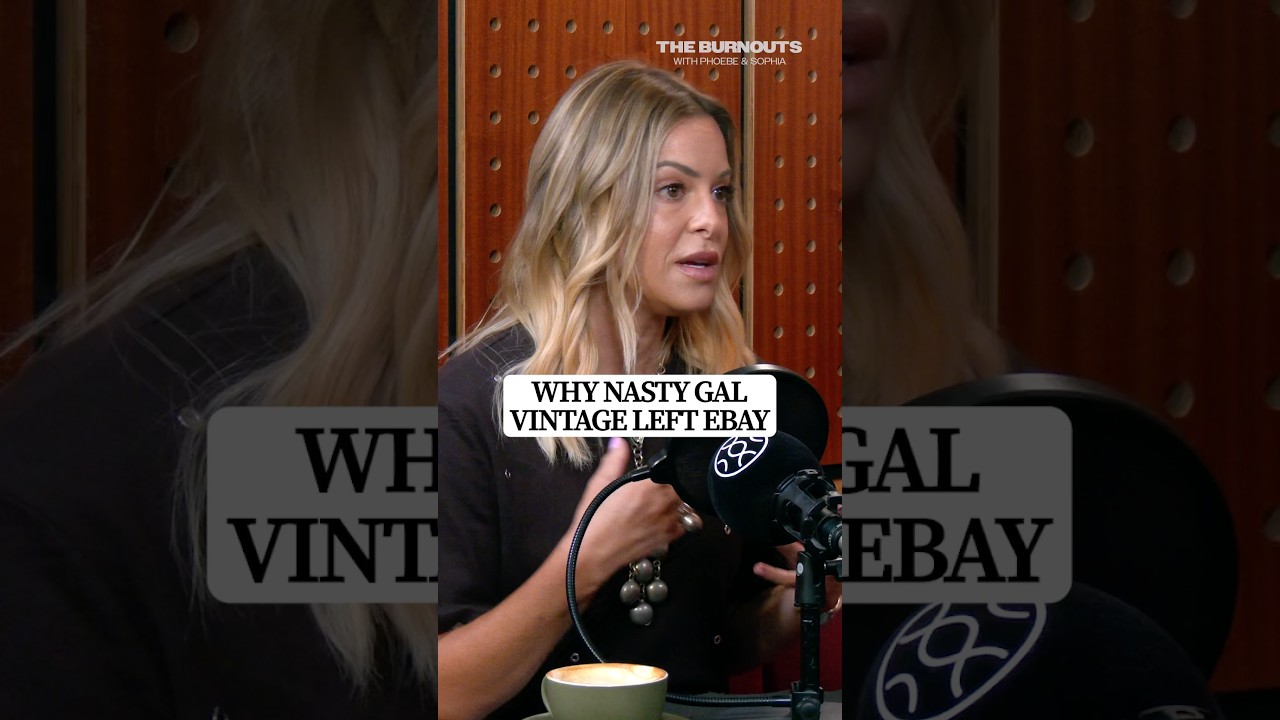
Why Nasty Gal Vintage Left Ebay
⚡ THE VIBE
✨Nasty Gal began as a one-woman eBay vintage shop, skyrocketing into a **multi-million dollar fast fashion powerhouse** and a symbol of millennial entrepreneurship, before facing a dramatic fall and subsequent rebirth. It’s a compelling tale of digital disruption, branding genius, and the volatile nature of the fashion industry. 🚀
§1The Rise of a Digital Darling 🌟
Born from the entrepreneurial spirit of Sophia Amoruso in 2006, Nasty Gal didn't start in a glossy boardroom but on eBay, selling carefully curated vintage clothing. Amoruso, with her keen eye for style and rebellious attitude, quickly built a cult following. Her unique approach—styling clothes on herself, writing witty descriptions, and engaging directly with customers—transformed what could have been a simple online store into a vibrant, personality-driven brand. This early success was a masterclass in leveraging early social media and direct-to-consumer marketing, long before these concepts became mainstream. It wasn't just about clothes; it was about selling a vibe of cool, edgy, and independent femininity. 💅
§2From Vintage to Fast Fashion Empire 📈
As Nasty Gal's popularity exploded, it transitioned from selling vintage finds to offering new, trend-driven clothing under its own label. This shift marked its entry into the fast fashion arena, competing with giants like ASOS and Boohoo. The brand became synonymous with daring, affordable, and Instagram-ready outfits, perfectly capturing the aesthetic of the early 2010s. By 2012, Nasty Gal was generating over $100 million in revenue, boasting millions of customers, and had secured significant venture capital funding. Sophia Amoruso chronicled her journey in the bestselling book, #Girlboss, which became an anthem for a generation of aspiring female entrepreneurs and even inspired a Netflix series. 📚
§3The Brand's Signature Style & Impact 👗
Nasty Gal's aesthetic was unapologetically bold and rebellious. Think leather jackets, ripped denim, platform shoes, and bodycon dresses – all infused with a rock-and-roll edge and a touch of vintage glamour. The brand empowered its customers to express their individuality and embrace their inner 'nasty gal' – a term that, for Amoruso, signified a strong, independent woman who defied conventions. It wasn't just selling clothes; it was selling an identity. The brand's success profoundly influenced the e-commerce landscape, demonstrating the power of strong branding, influencer marketing (before it was called that), and direct customer engagement in the digital age. It proved that a compelling story and a distinct point of view could turn a small online venture into a global phenomenon. 🌍
§4Financial Troubles & Rebirth Under Boohoo Group plc 🔄
Despite its meteoric rise and cultural impact, Nasty Gal faced significant financial challenges. Rapid expansion, operational missteps, and increased competition led to mounting debt and, ultimately, a Chapter 11 bankruptcy filing in 2016. This dramatic downturn served as a cautionary tale about the pressures of scaling a fast-growing business and the unforgiving nature of the retail industry. However, the story didn't end there. In 2017, the brand was acquired by the UK-based Boohoo Group plc, a major player in the fast fashion market. Under Boohoo's ownership, Nasty Gal has been revitalized, leveraging Boohoo's robust supply chain and marketing infrastructure to continue its legacy as an accessible, trend-forward fashion destination. It's a fascinating example of how established e-commerce giants can breathe new life into struggling but iconic brands. phoenix
§5Legacy and the 'Girlboss' Phenomenon 👑
Nasty Gal's journey is more than just a business case study; it's a cultural touchstone. Sophia Amoruso’s 'Girlboss' narrative became a powerful, albeit sometimes criticized, symbol of female entrepreneurship and ambition in the 21st century. While the term itself has evolved and faced scrutiny for its perceived exclusivity and emphasis on individual success over systemic change, Nasty Gal undeniably paved the way for countless digital-first brands and inspired a generation to chase their entrepreneurial dreams. The brand's story continues to be a relevant discussion point in conversations about fashion, e-commerce, and the evolving definition of success in the digital age. It reminds us that even with setbacks, a strong brand identity can endure. 💪