The Mother Archetype
The ancient, universal force shaping our deepest human experiences. 🤱✨
Featured partners and sponsors
New advertisers get $25 in ad credits
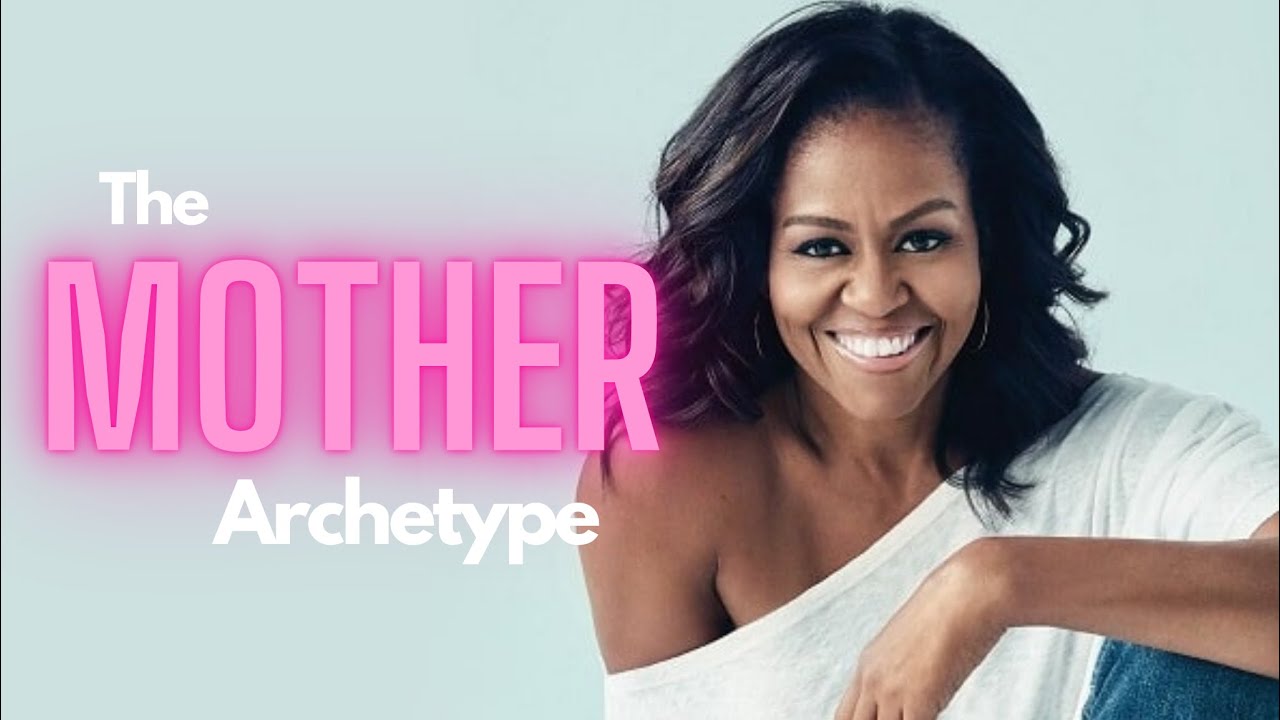
The Mother Archetype
⚡ THE VIBE
✨The **Mother Archetype** is a profound, universal pattern of the psyche, representing the primal human experience of nurturing, creation, and unconditional love, yet also encompassing aspects of the terrible and devouring. It's a concept that helps us understand the deep-seated psychological currents influencing our relationships and perceptions of the world. 🌍
§1Unpacking the Universal Mother
At its heart, the Mother Archetype is one of the most fundamental and powerful archetypes in the human psyche, as conceptualized by Swiss psychiatrist Carl Jung. It's not about a specific person, but rather a pattern of experience that has been repeated across millennia, ingrained in our collective unconscious. Think of it as an inherited predisposition to perceive and react to the world in certain ways, especially concerning themes of birth, growth, protection, and sustenance. This archetype isn't just about biological motherhood; it extends to anything that provides care, security, and emotional nourishment – from Mother Earth herself to institutions that foster growth. 🌳💖
§2Jung's Conception: From Personal to Collective
Jung first introduced the concept of archetypes as part of his theory of the Collective Unconscious. He observed recurring symbols, motifs, and patterns in myths, fairy tales, religions, and dreams across vastly different cultures, concluding that these weren't learned but inherited structures of the psyche. The Mother Archetype, therefore, is a primordial image that predates individual experience. It's why stories of benevolent goddesses, nurturing spirits, or even monstrous figures who devour their young resonate so deeply across time and space. Jung believed that these archetypes provide the 'form' or 'mold' into which personal experiences are poured, shaping our individual psychology. 📜🧠
§3Faces of the Mother: Light and Shadow
The Mother Archetype is incredibly multifaceted, embodying both light and shadow aspects. On the positive side, we see the Good Mother or Great Mother – the embodiment of nurturing, fertility, wisdom, compassion, and unconditional love. This is the source of all life, growth, and comfort. Think of figures like Demeter, Isis, or the Virgin Mary. However, archetypes are never one-dimensional. The shadow side manifests as the Terrible Mother or Devouring Mother, representing aspects of engulfment, possessiveness, seduction, and destruction. This can appear as a suffocating over-protection, a jealous rage, or even the ultimate end of life. Both aspects are crucial for a complete understanding, as they reflect the complex realities of creation and dissolution inherent in existence. 🌗🐍
§4Impact on Psychology and Culture
The Mother Archetype profoundly impacts individual psychology, shaping our earliest attachments, our sense of security, and our capacity for love and connection. Our personal experiences with our primary caregivers activate and color this archetype, influencing our adult relationships and self-perception. Culturally, it's woven into the fabric of human society. From ancient fertility rites to modern environmental movements advocating for 'Mother Earth,' the archetype finds expression. Understanding it can offer insights into art, literature, and even political movements, revealing the deep-seated human need for care, belonging, and renewal. It's a lens through which we can better understand the universal human condition. 🎨🎭
§5Modern Interpretations & Relevance in 2026
In 2026, the Mother Archetype remains incredibly relevant. As we grapple with global challenges like climate change and social fragmentation, the call to nurture and protect our planet and communities often echoes the archetype's benevolent aspects. Conversely, discussions around toxic parenting, overbearing institutions, or even the 'cancel culture' phenomenon can sometimes evoke the shadow aspects of the devouring or judgmental mother. Therapists and psychologists continue to use Jungian concepts to help individuals understand their relational patterns and heal developmental wounds. Exploring this archetype encourages a deeper self-reflection and a more nuanced understanding of the forces that shape our collective human story. 🌐🔍 For further exploration, consider resources from the International Association for Analytical Psychology or the C.G. Jung Institute Zurich. 📚