Modal Jazz
The Sound of Freedom: Breaking the Chains of Chord Progressions 🚀
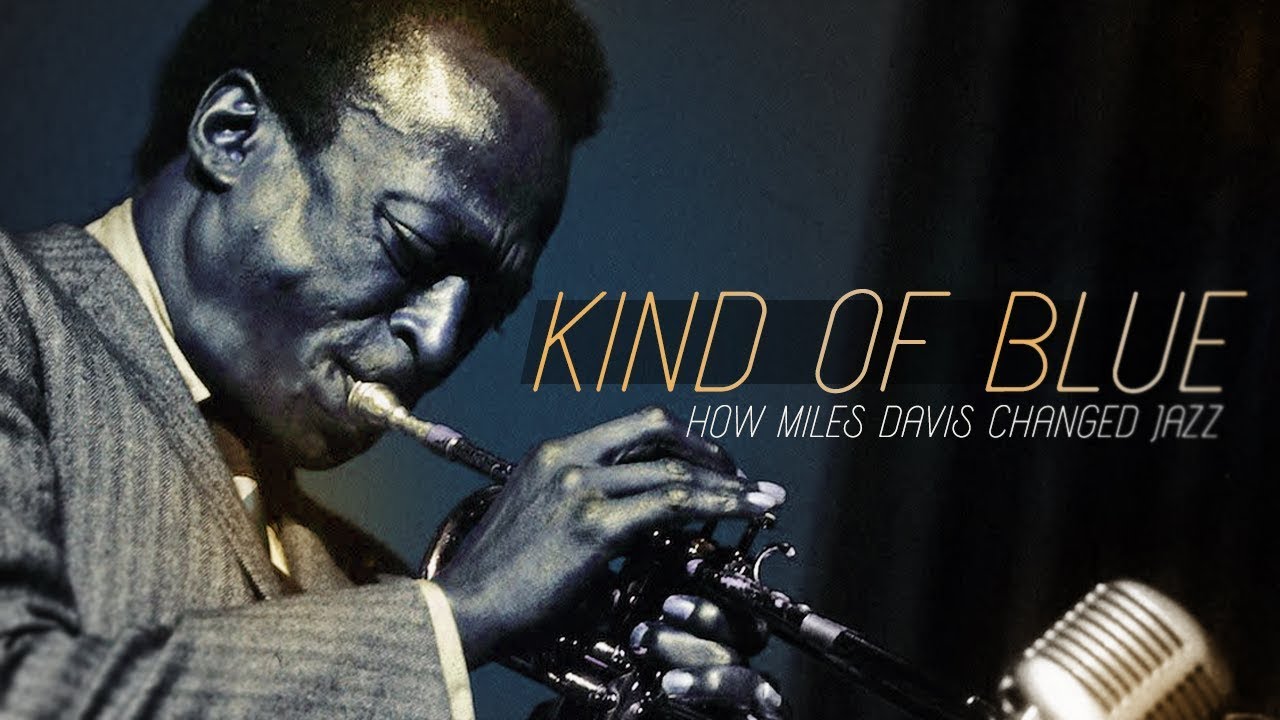
Kind of Blue: How Miles Davis Changed Jazz
⚡ THE VIBE
✨Modal Jazz is a revolutionary jazz style that shifted focus from complex chord changes to scales and modes, opening up vast new avenues for improvisation and expression, forever changing the landscape of modern music. It's where jazz found its ultimate freedom! 🎶
§1The Genesis of a Vibe: What is Modal Jazz? 🌟
Imagine a world where musicians felt constrained by the relentless march of traditional chord progressions. That's precisely the feeling that gave birth to Modal Jazz in the late 1950s. Instead of navigating a rapid-fire sequence of chords, improvisers were invited to explore the colors and moods of specific scales, or modes, for extended periods. This wasn't just a stylistic choice; it was a philosophical shift, prioritizing melodic and harmonic freedom over strict harmonic dictation. Think of it as moving from a tightly choreographed dance to a spontaneous, expressive flow. The result? A sound that feels both expansive and deeply introspective, often characterized by a slower harmonic rhythm and an emphasis on melodic development rather than chord-tone outlining. It's the sound of possibility, of open space waiting to be filled with pure musical thought. 💡
§2The Architects of Freedom: Origins and Key Figures 🛠️
While elements of modal thinking existed before, the true catalyst for Modal Jazz was Miles Davis's seminal 1959 album, Kind of Blue. This masterpiece, featuring an unparalleled lineup including John Coltrane, Bill Evans, and Cannonball Adderley, is often cited as the definitive statement of the style. Davis, frustrated with the harmonic density of bebop, sought a more melodic and less chord-bound approach. He challenged his musicians to improvise using only a few modes over long stretches, leading to some of the most iconic and emotionally resonant performances in jazz history. Other pioneers like George Russell, with his Lydian Chromatic Concept of Tonal Organization, provided the theoretical framework, but it was the practical application by Davis and his contemporaries that truly ignited the movement. It wasn't just a new sound; it was a new way of thinking about music. 🧠
§3Unlocking the Scales: How It Works 🔑
At its core, Modal Jazz operates on the principle of modal improvisation. Instead of a chord progression like Cmaj7-Fm7-Bb7-Ebmaj7, a piece might feature a single chord or a drone for several measures, over which a specific mode (like Dorian, Phrygian, Lydian, or Mixolydian) is used. For example, a track might stay on a D minor chord for an entire section, allowing the soloist to explore the nuances of the D Dorian mode (D-E-F-G-A-B-C-D) without constant harmonic shifts. This provides a vast melodic playground, encouraging the improviser to focus on horizontal melodic lines and textural exploration rather than vertical harmonic navigation. The rhythm section often becomes more fluid, emphasizing groove and texture rather than strictly outlining chord changes. It's like having a giant canvas where you can paint with a single, rich color for a long time, exploring all its shades and possibilities. 🎨
§4Beyond the Notes: Cultural Impact and Legacy 🌍
The ripples of Modal Jazz spread far beyond the jazz clubs of the 1960s. Its emphasis on freedom, introspection, and sustained mood deeply influenced subsequent genres, from fusion (think Herbie Hancock's early work) to world music and even rock. Musicians like Santana and The Grateful Dead absorbed its expansive improvisational spirit. It democratized improvisation, making it accessible to musicians who might have been intimidated by the harmonic gymnastics of bebop. Modal Jazz taught us that sometimes, less is more – that by simplifying the harmonic framework, you can unlock profound depths of melodic and emotional expression. It's a testament to the power of creative constraint leading to boundless innovation. Its influence is still heard today in contemporary jazz, film scores, and ambient music, proving its timeless appeal. 💫
§5The Vibe Continues: Why It Still Matters Today ✨
In 2026, Modal Jazz remains a cornerstone of musical education and performance. Its principles of melodic development, textural exploration, and harmonic freedom are as relevant as ever. It encourages musicians to listen deeply, to feel the mode, and to tell a story with their notes rather than just navigating a harmonic puzzle. For listeners, it offers a meditative, often spiritual experience, a journey into sound that transcends simple entertainment. The enduring popularity of albums like Kind of Blue isn't just nostalgia; it's a recognition of music that speaks to the soul, offering a sense of peace and profound beauty. It's a reminder that true innovation often comes from stripping away complexity to reveal a deeper, more fundamental truth. The vibe of freedom, once unleashed, never truly fades. 🕊️