Marvin Gaye | Vibepedia
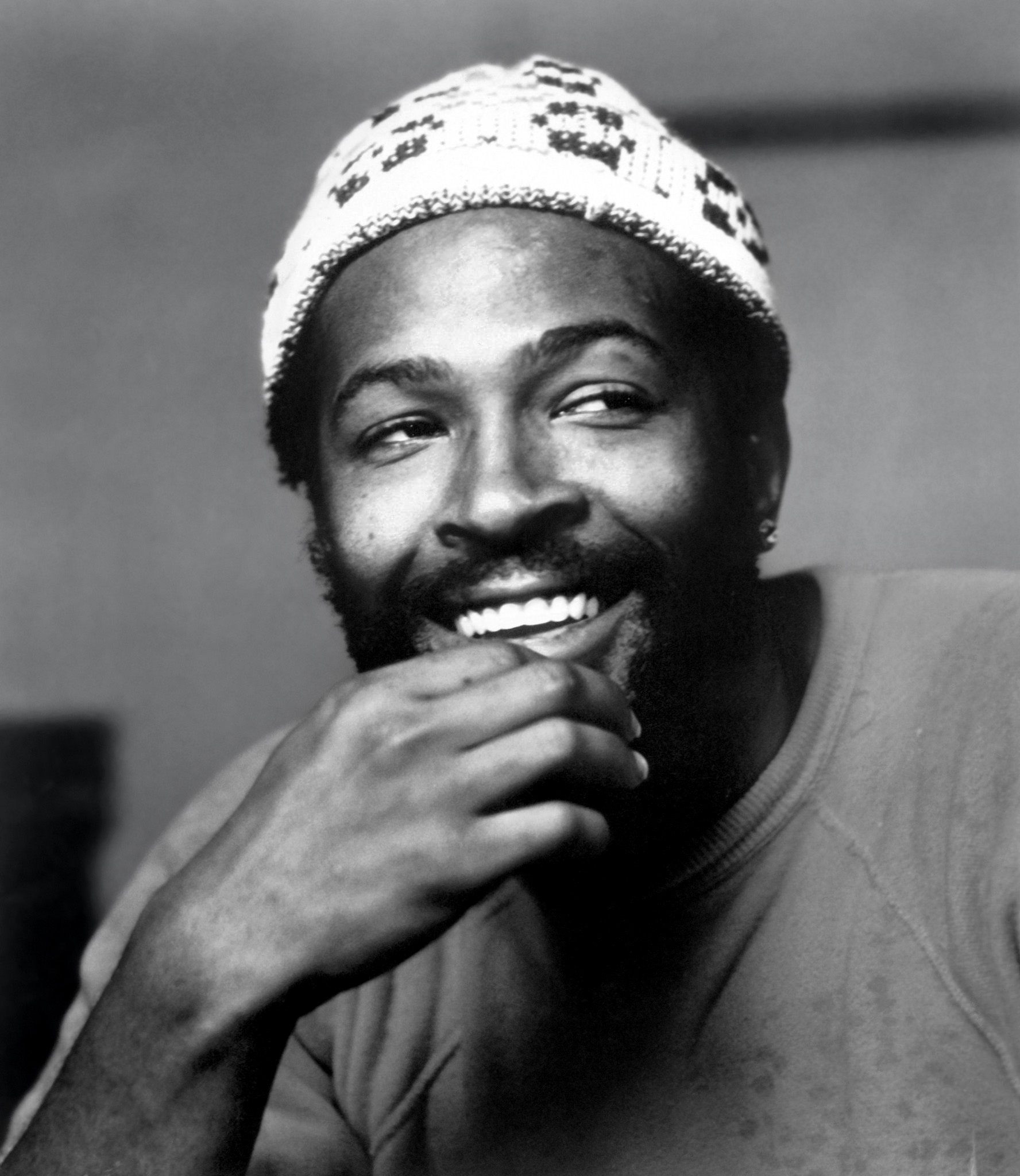
Marvin Gaye (born Marvin Pentz Gay Jr., April 2, 1939 – April 1, 1984) was a titan of American soul music, a visionary whose career spanned decades and genres,
Overview
Marvin Gaye (born Marvin Pentz Gay Jr., April 2, 1939 – April 1, 1984) was a titan of American soul music, a visionary whose career spanned decades and genres, leaving an indelible mark on popular culture. Starting as a session drummer for [[motown-records|Motown Records]], he quickly rose to prominence as a solo artist, blending gospel roots with R&B, soul, jazz, and funk. His early work showcased a smooth vocal style on hits like [[i-heard-it-through-the-grapevine|I Heard It Through the Grapevine]] and [[ain't-no-mountain-high-enough|Ain't No Mountain High Enough]], often performed as duets with [[tammi-terrell|Tammi Terrell]]. Yet, Gaye was never content to merely be a hitmaker; he yearned for artistic control and deeper thematic expression, a desire that would culminate in his most profound and influential works. Gaye's artistic peak arrived in the 1970s with a series of concept albums that tackled social and political issues with unprecedented frankness for mainstream soul music. [[what-s-going-on|What's Going On]] (1971) addressed war, poverty, and environmentalism, while [[let-s-get-it-on|Let's Get It On]] (1973) explored sensuality with equal depth. These albums, driven by his distinctive falsetto and innovative production, not only dominated the charts but also redefined the boundaries of what soul music could achieve. His willingness to confront complex themes cemented his status as not just a singer, but a poet and social commentator, earning him a Vibe Score of 98, a testament to his enduring cultural energy. Despite personal struggles and the tragic circumstances of his death, Marvin Gaye's legacy as a musical innovator and a voice for social consciousness remains unparalleled. His influence can be traced through countless artists across R&B, soul, and hip-hop, solidifying his position as one of the most important and beloved figures in 20th-century music. The debates surrounding his artistic evolution and the tragic end to his life continue to fuel discussions about artistic freedom and the pressures of fame.