Mars
The Red Planet: Our Dusty, Rusty Neighbor and Future Home?
Featured partners and sponsors
New advertisers get $25 in ad credits
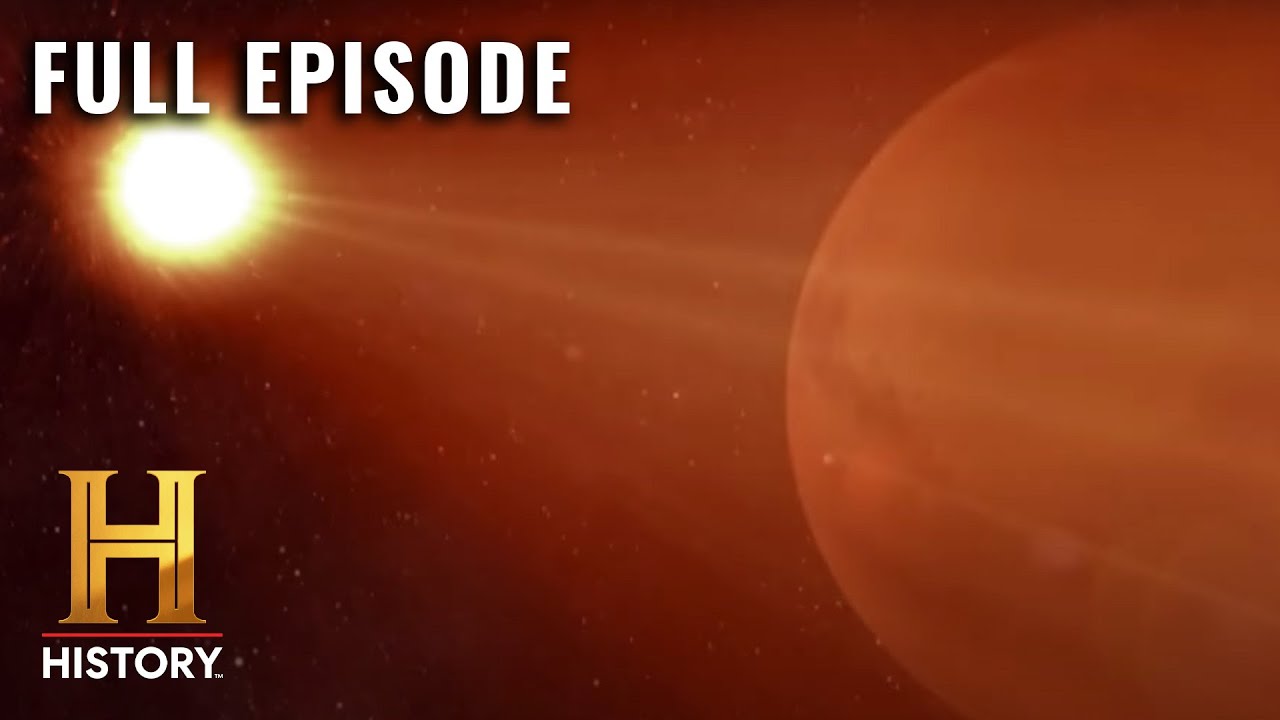
Mars: Secrets of the Red Planet | The Universe (S1, E2) | Full Episode | History
⚡ THE VIBE
✨Mars, the fourth planet from our Sun, has captivated humanity for millennia with its distinctive crimson hue and tantalizing hints of past—and perhaps future—life, making it the ultimate cosmic frontier. 🚀
§1The Allure of the Red Planet
From ancient stargazers to modern space agencies, Mars has always held a special, almost mythical place in the human imagination. Its striking reddish-orange appearance, caused by iron oxide (rust!) on its surface, earned it the moniker 'The Red Planet' and linked it to gods of war across various cultures. But Mars is far more than just a pretty face in the night sky. It's a dynamic, albeit cold and arid, world that offers a tantalizing glimpse into planetary evolution and the potential for life beyond Earth. 🌟 In 2026, our understanding of Mars is deeper than ever, thanks to decades of robotic exploration, yet its biggest secrets might still be hidden beneath its dusty surface. What if we're not alone? 🤔
§2A History Etched in Dust and Ice
The story of Mars is one of dramatic change. Billions of years ago, Mars was likely a much warmer, wetter world, potentially teeming with microbial life. Evidence from missions like Curiosity Rover and Perseverance Rover has revealed ancient riverbeds, lakebeds, and mineral deposits that only form in the presence of liquid water. 🌊 Over eons, Mars lost much of its atmosphere, likely due to its smaller size and lack of a global magnetic field to protect it from solar winds. This atmospheric stripping led to the freezing of its remaining water into polar ice caps and subsurface permafrost, transforming it into the desolate, dusty landscape we see today. The planet's history is a stark reminder of how fragile planetary environments can be. ⏳
§3Exploring the Martian Frontier: Rovers and Rockets
Our intimate knowledge of Mars comes almost entirely from an incredible fleet of robotic explorers. Since the 1960s, missions from NASA, ESA, and other space agencies have orbited, landed on, and roved across its surface. 🛰️ The Mars Reconnaissance Orbiter provides stunning high-resolution images, while landers like InSight have probed its seismic activity, revealing a dynamic interior. But it's the rovers—from the pioneering Sojourner to the sophisticated Perseverance—that have truly brought Mars to our living rooms. These intrepid machines analyze rocks, search for organic molecules, and even collect samples for potential return to Earth. The current goal? To find definitive signs of past microbial life and pave the way for human exploration. 🧑🚀
§4Why Mars Matters: The Quest for Life and Humanity's Future
Mars isn't just a scientific curiosity; it's a profound mirror reflecting our own existence and aspirations. The search for life on Mars—whether extinct or extant—is fundamentally a search for answers about our place in the universe. If life arose independently on Mars, it suggests life might be common throughout the cosmos. 👽 Beyond astrobiology, Mars represents humanity's next great leap. Companies like SpaceX and national agencies are actively developing technologies for human missions, with the ambitious goal of establishing permanent settlements. This vision of a multi-planetary species offers a safeguard against existential threats to Earth and opens up entirely new frontiers for scientific discovery and human endeavor. It's the ultimate 'backup plan' and an inspiring challenge! 🌍➡️🪐
§5Challenges and Controversies: The Road Ahead
While the allure of Mars is undeniable, the path to colonization is fraught with challenges. The thin atmosphere, extreme radiation, frigid temperatures, and pervasive dust storms make it an incredibly hostile environment. Developing self-sustaining habitats, reliable life support systems, and managing the psychological toll of long-duration space travel are monumental tasks. 🤯 Furthermore, ethical debates rage regarding planetary protection—ensuring we don't contaminate Mars with Earth microbes—and the long-term implications of terraforming, should such a feat ever become possible. The cost, both financial and environmental, of such endeavors is also a constant point of discussion. Yet, the sheer audacity of the vision continues to drive innovation and inspire generations. ✨