Mannerism
The Art Movement That Twisted Reality and Redefined Renaissance Cool! 😎
Featured partners and sponsors
New advertisers get $25 in ad credits
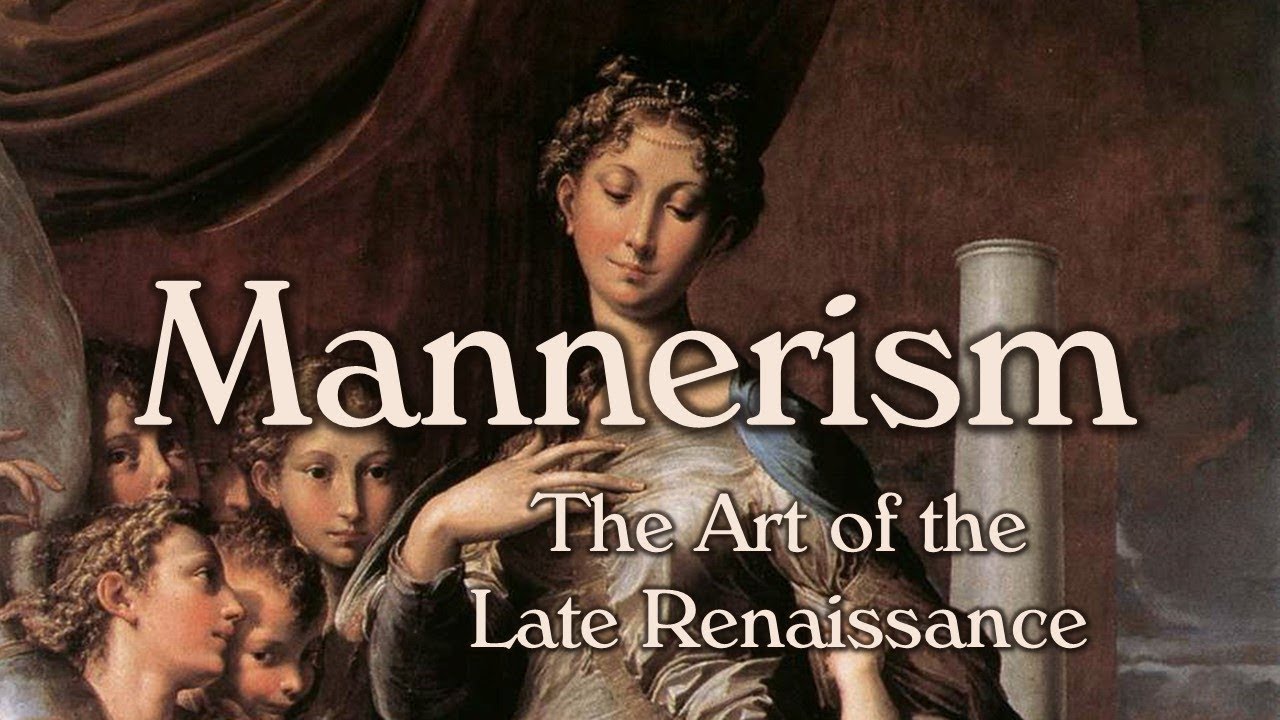
Mannerism (Late Renaissance Art)
⚡ THE VIBE
✨Mannerism was a radical art movement that emerged after the High Renaissance, deliberately challenging its harmonious ideals with exaggerated forms, emotional intensity, and a sophisticated, often unsettling, elegance. It's where art got wonderfully weird and wonderfully *human*.
§1What is Mannerism? A Stylish Rebellion 🎭
Imagine the art world after the colossal achievements of Leonardo da Vinci, Michelangelo, and Raphael. Their 'High Renaissance' art was the epitome of balance, harmony, and classical perfection. But what happens when you've reached peak perfection? You innovate! 🚀 Mannerism (from the Italian maniera, meaning 'style' or 'manner') wasn't just a style; it was a statement. It was a deliberate departure, a sophisticated 'anti-classical' movement that took the rules of proportion, perspective, and composition and playfully, sometimes unsettlingly, bent them. Think elongated figures, dramatic lighting, and complex, often spiraling compositions that pull your eye in unexpected directions. It's art that says, 'You thought you knew beauty? Think again!' ✨
§2The Birth of the 'Maniera': From Florence to Rome 🇮🇹
Mannerism didn't just appear overnight; it simmered in the creative cauldrons of Italy, particularly in Florence and Rome, in the decades following the death of Raphael in 1520. Artists felt the immense pressure of following the giants of the High Renaissance. Instead of simply imitating, they sought new avenues for expression, often through the manner or style of their predecessors, but pushed to an extreme. Early pioneers like Jacopo da Pontormo and Rosso Fiorentino in Florence began experimenting with disquieting colors and distorted forms. Later, artists like Parmigianino and Bronzino refined this 'stylish' approach, creating works of incredible technical skill but with an underlying tension and artificiality that defined the era. It was a time of intellectual curiosity and artistic daring, where the 'how' of painting became as important as the 'what' 🧠.
§3Key Characteristics: Elongation, Emotion, & Enigma 🌀
So, what makes a painting scream 'Mannerist'? It's a cocktail of distinctive traits that set it apart:
- Elongated Forms: Figures are often stretched, with small heads, long necks, and slender limbs. This isn't a mistake; it's a choice to convey elegance, spirituality, or even unease.
- Complex Compositions: Forget the neat triangles of the Renaissance. Mannerist works often feature crowded scenes, twisting bodies (the figura serpentinata or 'serpentine figure' was a favorite!), and off-kilter perspectives that challenge the viewer.
- Ambiguous Space: Depth can be compressed or exaggerated, making the setting feel unreal or dreamlike. It keeps you guessing!
- Intense Emotion & Artifice: Emotions are often heightened, almost theatrical, but sometimes feel detached or coolly intellectual. Colors can be vivid, clashing, and unnatural, used for expressive rather than realistic purposes.
- Emphasis on Maniera: It's all about the artist's individual style and intellectual prowess, showcasing their virtuosity rather than strict adherence to naturalism. It's art that knows it's art, and it's proud of it! 😎
§4Impact & Legacy: A Bridge to the Baroque 🌉
Mannerism, though sometimes criticized in later centuries for its 'artificiality,' was a crucial bridge between the classical ideals of the Renaissance and the dramatic dynamism of the Baroque era. It pushed the boundaries of artistic expression, proving that art didn't always have to be about perfect naturalism. Its emphasis on individual style, emotional intensity, and dynamic composition directly influenced subsequent movements. Artists like El Greco, with his dramatically elongated figures and fervent spirituality, are often seen as late Mannerists whose work anticipated the Baroque's emotional punch. Even today, the audacious spirit of Mannerism reminds us that art thrives on innovation and challenging conventions. It’s a testament to artistic freedom and the endless possibilities of creative interpretation! 🌟