Logistics
The invisible ballet that moves our world, from atoms to Amazon packages! 🚚💨
Featured partners and sponsors
New advertisers get $25 in ad credits
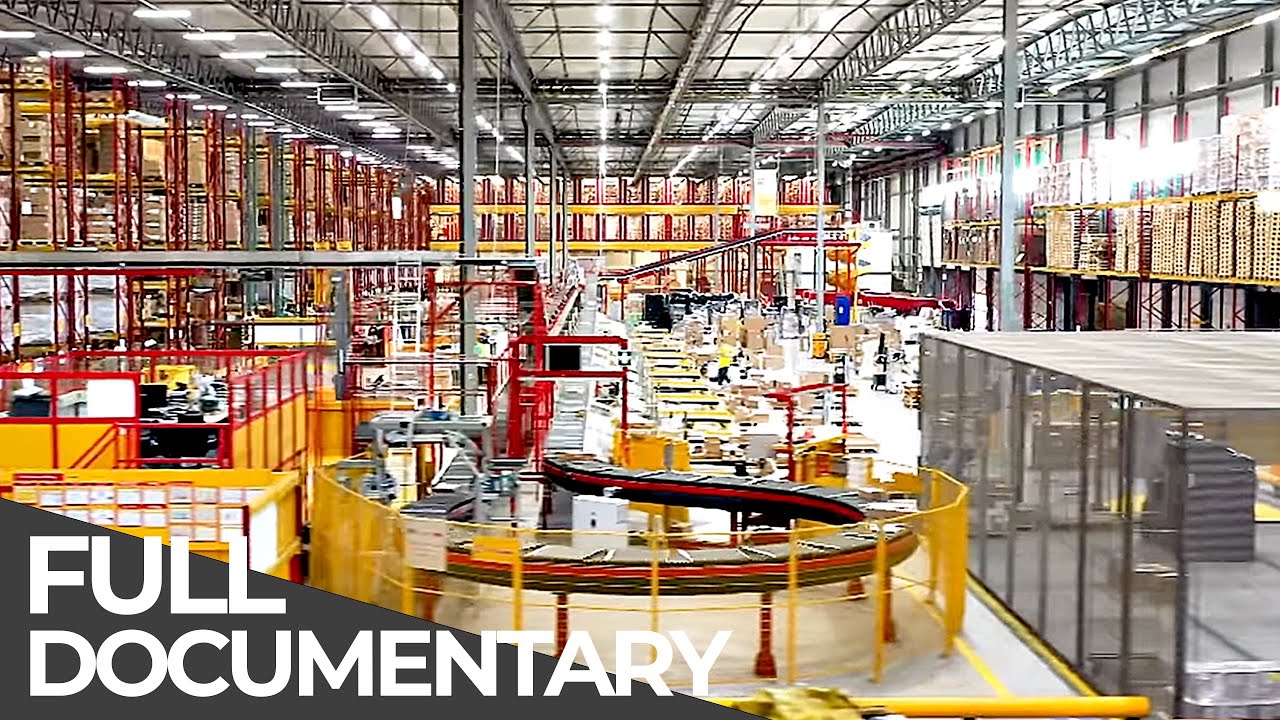
Logistics of the Future | Free Documentary
⚡ THE VIBE
✨Logistics is the unsung hero of modern civilization, the intricate art and science of planning, implementing, and controlling the efficient, effective forward and reverse flow and storage of goods, services, and related information from point of origin to point of consumption. It's what ensures your morning coffee, your smartphone, and even emergency aid reach you precisely when and where they're needed. 🌍✨
§1The Grand Orchestration: What is Logistics?
At its core, logistics is about getting the right things to the right place at the right time, in the right quantity, in the right condition, for the right cost. Think of it as the ultimate choreography for everything that moves. It's not just about transportation; it’s a holistic management discipline encompassing everything from raw material sourcing and manufacturing to warehousing, inventory management, packaging, and the final mile delivery to the customer. Without robust logistics, global trade would grind to a halt, supply chains would crumble, and even our daily lives would become impossibly complicated. It’s the silent engine powering our interconnected world. ⚙️🌐
§2From Roman Legions to Global Supply Chains: A Brief History
The term 'logistics' itself has deep roots in military strategy, derived from the Greek word logistikos (skilled in calculating) and later the French logistique, referring to the art of quartering troops and managing supplies. Ancient empires, from the Romans with their incredible road networks to the Mongols with their vast supply lines, understood its critical importance for projecting power and sustaining armies. Fast forward to the industrial revolution, and logistics evolved to support mass production and distribution. The 20th century saw its professionalization, especially after World War II, as businesses realized that efficient movement of goods was a massive competitive advantage. Today, with globalization and e-commerce, logistics has become an incredibly complex, data-driven field, constantly innovating to meet ever-increasing demands. 📜🚀
Key historical milestones include the development of containerization in the 1950s, which revolutionized global shipping, and the rise of sophisticated Supply Chain Management systems in the late 20th century, integrating logistics with procurement, production, and customer service. It's a journey from horse-drawn carts to AI-powered drone deliveries! 📦➡️✈️
§3The Inner Workings: Key Components and Technologies
Modern logistics is a dazzling array of interconnected processes and technologies. It's far more than just trucks and ships! Here are some of its vital components:
- Transportation Management: Deciding the optimal mode (road, rail, air, sea, pipeline) and route for goods, considering cost, speed, and reliability. Think of companies like UPS or Maersk.
- Warehousing & Storage: Efficiently managing facilities for storing goods, including inventory tracking, order picking, and cross-docking.
- Inventory Management: Balancing the costs of holding inventory against the risk of stockouts, often using sophisticated forecasting models.
- Packaging & Handling: Protecting goods during transit and storage, and optimizing for space and weight.
- Information Systems: The digital backbone, including Enterprise Resource Planning (ERP) systems, Warehouse Management Systems (WMS), and Transportation Management Systems (TMS) that provide real-time visibility and control. 📊💻
Emerging technologies like Artificial Intelligence for demand forecasting, Blockchain for supply chain transparency, IoT sensors for real-time tracking, and autonomous vehicles are continually reshaping the logistics landscape, making it faster, smarter, and more resilient. 🤖💡
§4Why It Matters: Impact on Economy, Society, and Sustainability
The impact of logistics is truly pervasive. Economically, it's a colossal industry, driving global trade and enabling businesses to operate efficiently. For consumers, it translates to lower prices, wider product availability, and faster delivery times – think of the convenience of next-day shipping! 🛍️🚀
Socially, logistics is critical for humanitarian aid, delivering food, medicine, and supplies to disaster zones or remote areas. It underpins public health by ensuring vaccines and medical equipment reach hospitals. However, it also faces significant challenges. The environmental footprint of transportation is a major concern, pushing the industry towards more sustainable practices like electric vehicles, optimized routing, and green warehousing. The drive for sustainable logistics is one of the most pressing issues of our time, balancing efficiency with ecological responsibility. 🌳♻️
Moreover, geopolitical events, pandemics, and natural disasters highlight the fragility and strategic importance of resilient logistics networks. The ability to pivot and adapt supply chains rapidly is no longer just a competitive edge but a necessity for national and global stability. 🛡️🌐