Lo Fi Aesthetics
Embracing the beautiful imperfections of a digital-analog dreamscape 🎧✨
Featured partners and sponsors
New advertisers get $25 in ad credits
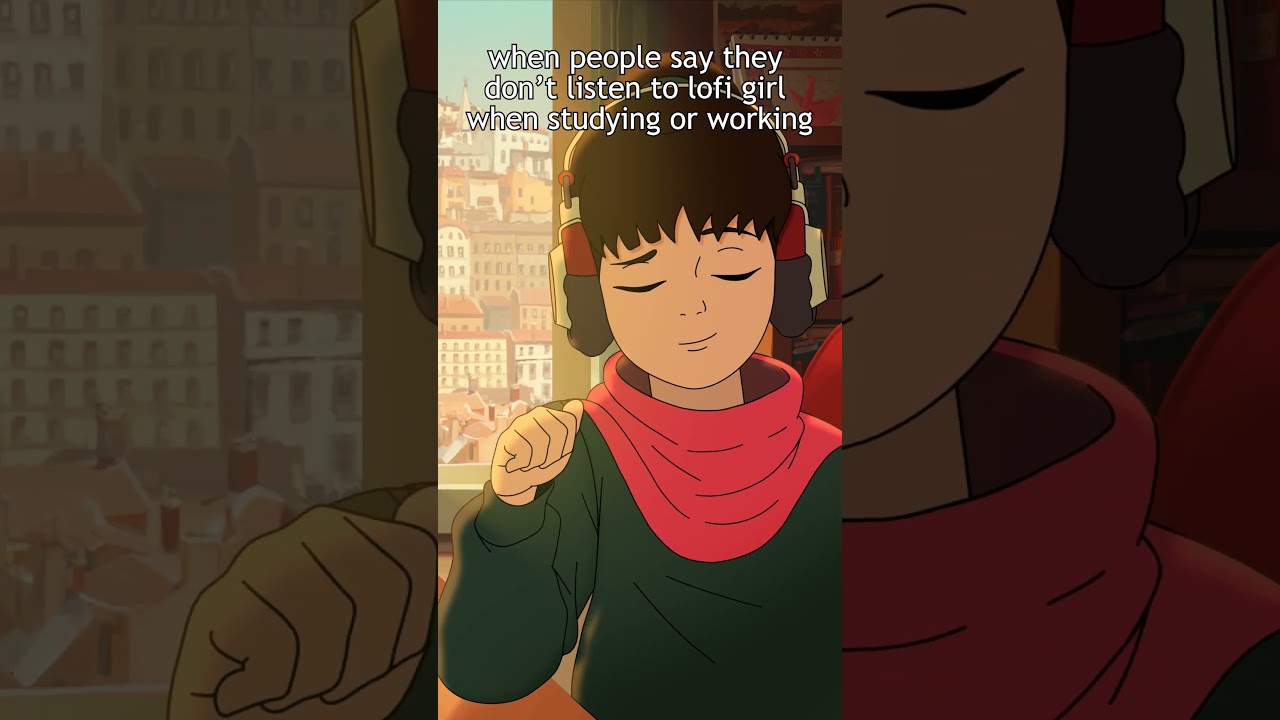
When people say they don’t listen to Lofi Girl…
⚡ THE VIBE
✨Lo Fi Aesthetics celebrate the raw, unpolished, and often nostalgic charm of low-fidelity production, transforming imperfections into a distinct artistic statement across music, visual arts, and digital culture. It's a deliberate embrace of grain, hiss, and glitches that paradoxically creates a deeply authentic and comforting vibe. 📼
§1What is Lo Fi, Anyway? 🎶
At its core, Lo Fi (short for low fidelity) refers to a style where imperfections in sound, image, or production quality are not just tolerated but actively embraced and even amplified. Think of it as the artistic opposite of high-definition, glossy perfection. It's the crackle of a vinyl record, the slight fuzz of an old VHS tape, the muted colors of a faded photograph, or the deliberately unpolished sound of a bedroom-produced track. This aesthetic isn't just about technical quality; it's a vibe, a deliberate choice to evoke a sense of nostalgia, intimacy, and raw authenticity that often feels missing in our hyper-polished digital world. It's about finding beauty in the imperfect and the unrefined. 🌟
§2The Rise of a Global Vibe 🌍
While elements of lo-fi have existed in music and art for decades (think early punk, indie rock, or even avant-garde film), the Lo Fi Aesthetic as we know it today truly exploded in the 2010s. It found its global footing largely through online communities, particularly on platforms like YouTube and Bandcamp. The 'lo-fi hip-hop radio' phenomenon, streaming 24/7 with animated loops of studying anime girls, became a cultural touchstone, providing a global soundtrack for focus and relaxation. This wasn't just background noise; it was a mood, a shared experience that transcended language. The accessibility of digital tools also played a huge role, allowing anyone with a laptop to create music, art, or videos with a distinct lo-fi flavor, democratizing creativity. 💻🎧
§3The Art of Imperfection: Key Elements 🎨
The magic of Lo Fi Aesthetics lies in its specific stylistic choices that evoke a particular feeling. For audio, this often means warm, slightly distorted sounds, tape hiss, vinyl crackle, detuned instruments, and a generally 'unpolished' mix. In visuals, expect muted color palettes, grainy textures, vintage filters, lens flares, chromatic aberration, and often a dreamlike, hazy quality. Think of the visual language of old home movies or early digital art. The subject matter often leans into the mundane, the introspective, or the subtly melancholic, creating a sense of quiet contemplation. It's about creating an atmosphere that feels both familiar and slightly otherworldly, like a half-remembered dream. 🖼️💫
Key elements often include:
- Warmth & Saturation: Often achieved through analog emulation or specific color grading.
- Grain & Noise: Deliberate addition of film grain, tape hiss, or digital noise.
- Muted Tones: A preference for desaturated or pastel color schemes.
- Simplicity: Often minimalist compositions or straightforward melodies.
- Nostalgia: A strong emotional pull towards past eras, real or imagined.
§4Why It Matters: Authenticity in a Polished World ✨
The enduring appeal of Lo Fi Aesthetics in 2026 is a powerful counter-narrative to the relentless pursuit of perfection in our digital lives. In an era dominated by perfectly curated social media feeds and hyper-realistic graphics, lo-fi offers a refreshing dose of authenticity. It's a rebellion against the pressure to always be 'on' and 'perfect.' It provides a sense of comfort, a digital 'cozy corner' where imperfections are celebrated, not hidden. This aesthetic taps into a deep human longing for simpler times, for genuine connection, and for art that feels real and relatable. It's not just a trend; it's a cultural statement about valuing the human touch and the beauty of the unfinished. It reminds us that sometimes, the most profound experiences come from the least polished places. 💖🧘♀️
§5Beyond the Beats: Lo Fi's Cultural Footprint 👣
Lo Fi Aesthetics have transcended music to influence a vast array of cultural spheres. In fashion, we see vintage-inspired streetwear, oversized silhouettes, and muted color palettes. In gaming, indie titles often employ pixel art or deliberately retro graphics to evoke nostalgia and a unique artistic identity. Photography and videography are awash with filters and techniques that mimic old film or analog video. Even in interior design, elements like thrifted furniture, warm lighting, and a 'lived-in' feel reflect the lo-fi ethos. It's a pervasive design philosophy that champions comfort, nostalgia, and a gentle rejection of corporate slickness. The movement has even spawned sub-genres like Vaporwave and Chillwave, each with their own unique spin on retro-futuristic or nostalgic vibes. It's a testament to its versatility and deep resonance. 🛋️🎮