Lightning Network
Unlocking Bitcoin's true potential for instant, micro-transactions! ⚡
Featured partners and sponsors
New advertisers get $25 in ad credits
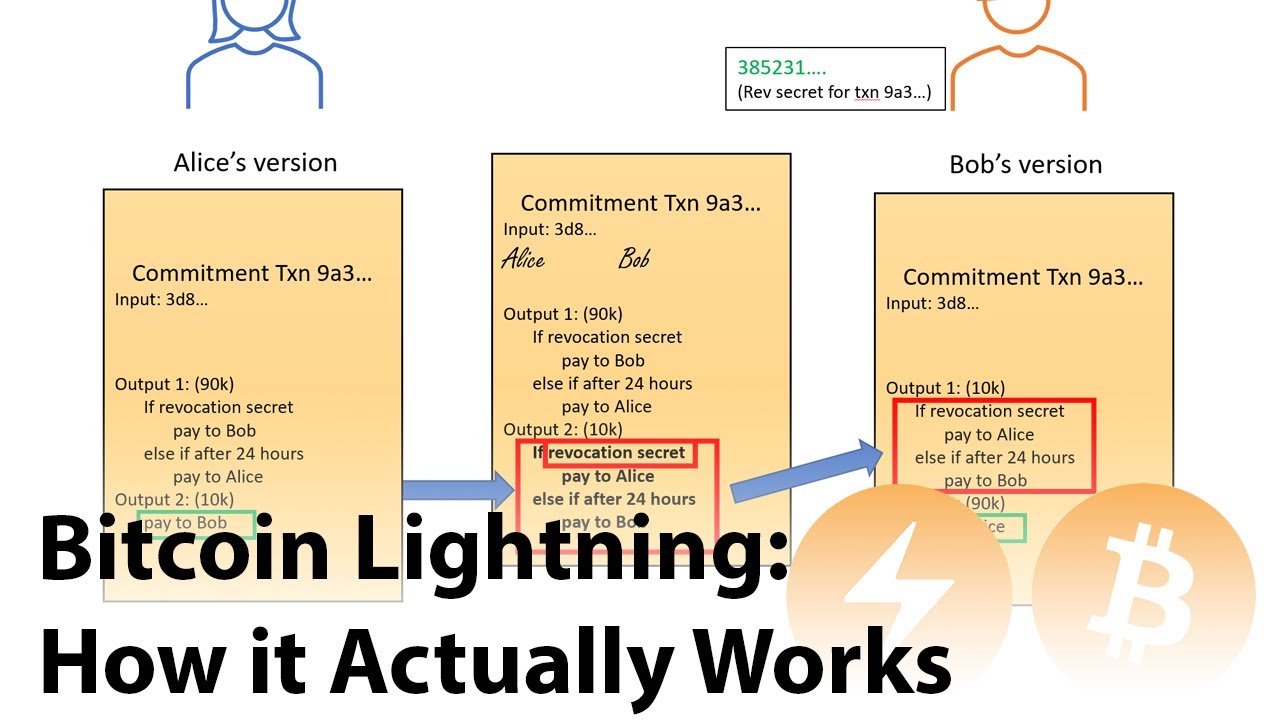
Bitcoin Lightning Network Explained: How it Actually Works
⚡ THE VIBE
✨The **Lightning Network** is a revolutionary 'Layer 2' scaling solution built atop cryptocurrencies like [Bitcoin](bitcoin), designed to enable lightning-fast, low-cost, and high-volume transactions that the base blockchain simply can't handle. It's like building a superhighway *above* the main road to keep traffic flowing smoothly! 🚀
§1The Need for Speed: Why Lightning Struck 💡
Imagine trying to pay for your coffee with a Bitcoin transaction. On the main Bitcoin blockchain, this could take anywhere from 10 minutes to several hours to confirm, and cost a few dollars in fees, especially during peak network congestion. This wasn't exactly the 'digital cash' vision many had for cryptocurrency. The core problem? Bitcoin's design prioritizes security and decentralization over raw transaction throughput. Each transaction must be verified by every node on the network, which is robust but slow. This created a scalability bottleneck, limiting Bitcoin's potential for everyday micro-payments and high-frequency trading. Enter the Lightning Network, a brilliant solution to this challenge.
§2How It Works: Off-Chain Channels & Payment Routes 🌐
The Lightning Network operates by creating payment channels off-chain, meaning transactions within these channels don't need to be recorded on the main blockchain until the channel is closed. Think of it like opening a tab at your favorite bar 🍻. You deposit some funds into a shared account (opening the channel), and then you can make countless small payments back and forth with the bartender without settling each one individually. Only when you're ready to leave (closing the channel) is the final net balance recorded on the main blockchain. These channels can also be linked together, forming a vast network of interconnected payment routes. If you want to pay someone you don't have a direct channel with, the Lightning Network finds a path through intermediate channels, routing your payment almost instantly. This multi-hop routing is a key innovation, making the network incredibly flexible and efficient. All transactions are secured by cryptographic proofs, ensuring funds are always safe.
§3Key Concepts & Components 🛠️
Understanding the Lightning Network involves a few core ideas:
- Payment Channels: These are essentially smart contracts between two parties, allowing them to send and receive an unlimited number of transactions off-chain, with only two on-chain transactions (opening and closing the channel).
- Multi-Hop Payments: Payments can be routed across multiple interconnected channels without any single intermediary needing to be trusted with the full amount. This is achieved using Hash Time-Locked Contracts (HTLCs), which are cryptographic puzzles ensuring either the payment completes or the funds return to the sender.
- Nodes: Users and businesses run Lightning Nodes that open and maintain these channels, routing payments for others and earning small fees in the process. This creates a decentralized mesh network for payments.
- Watchtowers: These are optional, third-party services that monitor payment channels for malicious activity and can intervene if a counterparty tries to cheat. They add an extra layer of security, especially for users who might not be online 24/7.
§4Impact & Future: A Scalable Horizon 🌟
The Lightning Network has been a game-changer for Bitcoin and other compatible cryptocurrencies, transforming them from slow, expensive settlement layers into viable options for everyday commerce. It has enabled:
- Instant Payments: Transactions confirm in milliseconds, rivaling traditional payment processors like Visa or Mastercard.
- Micro-transactions: Fees are often a fraction of a cent, making it economical to send tiny amounts of value, which opens up new business models like 'pay-per-second' streaming or tipping content creators.
- Enhanced Privacy: Because most transactions occur off-chain, they are not publicly broadcast to the entire blockchain, offering a degree of privacy that the base layer lacks.
Looking ahead, the Lightning Network continues to evolve rapidly. Developments in routing algorithms, channel management, and user-friendly interfaces are making it more accessible than ever. It's not just about speed; it's about enabling a new era of programmable money and truly global, permissionless finance. The future of digital payments is looking electrifying! ⚡