
Contents
- 🎵 Introduction to Jazz History
- 🕺 The Roots of Jazz: Blues and Ragtime
- 🎶 European Harmony and African Rhythms
- 🙏 Spirituals, Hymns, and Marches: The Sacred Influence
- 🕴️ Vaudeville and Dance Music: The Secular Side
- 🎺 The Jazz Age: 1920s and the Rise of Jazz
- 🌟 Jazz as a Major Form of Musical Expression
- 🎵 Characteristic Elements of Jazz Music
- 🤝 Call and Response: The Power of Vocal Improvisation
- 🕊️ Polyhythms and Improvisation: The Rhythmic Foundation
- 📚 Jazz in the Modern Era: Evolution and Legacy
- Frequently Asked Questions
- Related Topics
Overview
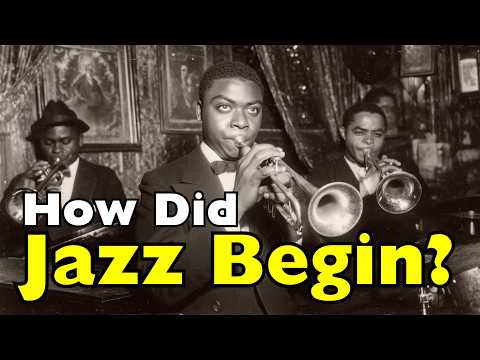
Jazz history spans over a century, originating in the African American communities of New Orleans in the late 19th and early 20th centuries, with influences from blues, ragtime, and swing. The genre evolved through various styles, including Dixieland, bebop, and free jazz, with notable figures such as Louis Armstrong, Charlie Parker, and John Coltrane. With a vibe score of 8, jazz history is marked by controversy, including debates over cultural appropriation and the role of white musicians in the genre. The influence of jazz can be seen in many other genres, including rock, pop, and hip-hop, with artists such as Miles Davis and Billie Holiday continuing to inspire new generations. As of 2023, jazz remains a vibrant and diverse genre, with ongoing debates over its definition and scope. With a controversy spectrum of 6, jazz history is a complex and multifaceted topic, reflecting the tensions and contradictions of American society.
🎵 Introduction to Jazz History
Jazz history is a rich and complex topic, spanning over a century. It originated in the African-American communities of New Orleans, Louisiana, in the late 19th and early 20th centuries. To understand the evolution of jazz, it's essential to explore its roots in Blues Music and Ragtime Music. The unique blend of African rhythmic rituals, European harmony, and American musical traditions created a distinctive sound. As jazz historian Marshall Stearns noted, the genre's early development was shaped by the cultural melting pot of New Orleans. For more information on the city's role in jazz history, visit the New Orleans Jazz National Historical Park.
🕺 The Roots of Jazz: Blues and Ragtime
The roots of jazz are deeply embedded in Blues Music and Ragtime Music. Blues, with its 12-bar structure and soulful melodies, provided the emotional foundation for jazz. Ragtime, with its complex rhythms and harmonies, added a level of sophistication and complexity. As Scott Joplin, a renowned ragtime composer, demonstrated, the genre's unique sound was characterized by its use of syncopated rhythms and African-American musical traditions. To learn more about the blues and ragtime, explore the Blues Music and Ragtime Music articles. The influence of these genres can be heard in the music of Louis Armstrong and Duke Ellington.
🎶 European Harmony and African Rhythms
European harmony played a significant role in shaping the sound of jazz. The use of complex chords and harmonies, borrowed from European classical music, added depth and sophistication to the genre. At the same time, African rhythmic rituals and traditions, such as call and response patterns, were incorporated into jazz. As John Cage noted, the intersection of European and African musical traditions created a unique sound that was both familiar and innovative. For more information on the influence of European harmony, visit the European Classical Music article. The work of Charlie Parker and Thelonious Monk exemplifies the blend of European and African influences in jazz.
🙏 Spirituals, Hymns, and Marches: The Sacred Influence
Spirituals, hymns, and marches also had a profound impact on the development of jazz. These sacred musical traditions, rooted in African-American culture, provided a sense of community and expression. The use of call and response patterns, for example, was borrowed from spirituals and incorporated into jazz. As Mahalia Jackson demonstrated, the emotional power of spirituals and hymns could be harnessed to create a sense of collective expression. To learn more about the influence of spirituals and hymns, explore the Spirituals and Hymns articles. The music of Gospel Music also reflects the sacred traditions that shaped jazz.
🕴️ Vaudeville and Dance Music: The Secular Side
Vaudeville and dance music, on the other hand, represented the secular side of jazz. These genres, popular in the early 20th century, provided a platform for jazz musicians to showcase their talents and experiment with new sounds. As Bessie Smith and Ethel Waters demonstrated, vaudeville and dance music could be a powerful vehicle for self-expression and entertainment. For more information on the role of vaudeville and dance music in jazz history, visit the Vaudeville and Dance Music articles. The influence of these genres can be heard in the music of Count Basie and Benny Goodman.
🎺 The Jazz Age: 1920s and the Rise of Jazz
The 1920s, often referred to as the Jazz Age, marked a significant turning point in the history of jazz. During this period, jazz emerged as a major form of musical expression, with musicians such as Louis Armstrong and Duke Ellington gaining widespread recognition. As Langston Hughes noted, the Jazz Age represented a moment of cultural and artistic flowering, with jazz at its center. To learn more about the Jazz Age, explore the Jazz Age article. The music of this era can be heard in the recordings of Jelly Roll Morton and Sidney Bechet.
🌟 Jazz as a Major Form of Musical Expression
Jazz has since become a major form of musical expression, with a wide range of styles and sub-genres. From Swing Music to Bebop, Latin Jazz to Free Jazz, the genre has continued to evolve and adapt. As Miles Davis demonstrated, jazz can be a powerful vehicle for innovation and experimentation. For more information on the various styles and sub-genres of jazz, visit the Jazz Styles article. The influence of jazz can be heard in the music of John Coltrane and Charlie Mingus.
🎵 Characteristic Elements of Jazz Music
The characteristic elements of jazz music, including swing and blue notes, complex chords, call and response vocals, polyrhythms, and improvisation, have been debated and refined over the years. As Theodore Raphael noted, the use of blue notes and bent notes, for example, adds a level of emotional intensity and expressiveness to jazz. To learn more about the characteristic elements of jazz, explore the Jazz Music article. The music of Billie Holiday and Ella Fitzgerald exemplifies the use of these elements in jazz singing.
🤝 Call and Response: The Power of Vocal Improvisation
Call and response, a fundamental element of jazz, has its roots in African musical traditions. This pattern of call and response, where one musician responds to another, creates a sense of dialogue and community. As Dizzy Gillespie demonstrated, call and response can be used to create complex and intricate musical conversations. For more information on the use of call and response in jazz, visit the Call and Response article. The influence of call and response can be heard in the music of Charlie Parker and Thelonious Monk.
🕊️ Polyhythms and Improvisation: The Rhythmic Foundation
Polyrhythms and improvisation are also essential elements of jazz music. The use of multiple rhythms and time signatures, for example, adds a level of complexity and sophistication to the genre. As John Cage noted, improvisation allows musicians to create new and innovative sounds in the moment. To learn more about the role of polyrhythms and improvisation in jazz, explore the Polyrhythms and Improvisation articles. The music of Ornette Coleman and Cecil Taylor exemplifies the use of these elements in jazz.
📚 Jazz in the Modern Era: Evolution and Legacy
In the modern era, jazz continues to evolve and adapt, incorporating new influences and styles. As Kamasi Washington demonstrated, jazz can be a powerful vehicle for social commentary and activism. For more information on the current state of jazz, visit the Modern Jazz article. The influence of jazz can be heard in the music of Robert Glasper and Esperanza Spalding.
Key Facts
- Year
- 1895
- Origin
- New Orleans, Louisiana, USA
- Category
- Music History
- Type
- Music Genre
Frequently Asked Questions
What are the roots of jazz music?
Jazz music has its roots in African-American musical traditions, including blues, ragtime, spirituals, hymns, and marches. The genre also incorporates elements of European harmony and African rhythmic rituals. For more information, visit the Blues Music and Ragtime Music articles.
Who are some notable jazz musicians?
Some notable jazz musicians include Louis Armstrong, Duke Ellington, Charlie Parker, Thelonious Monk, and Miles Davis. For more information, explore the Jazz Musicians article.
What is the characteristic sound of jazz music?
The characteristic sound of jazz music includes swing and blue notes, complex chords, call and response vocals, polyrhythms, and improvisation. For more information, visit the Jazz Music article.
How has jazz music evolved over time?
Jazz music has evolved significantly over time, incorporating new influences and styles. From Swing Music to Bebop, Latin Jazz to Free Jazz, the genre has continued to adapt and innovate. For more information, explore the Jazz Styles article.
What is the significance of jazz music in American culture?
Jazz music has played a significant role in American culture, representing a unique blend of African-American and European musical traditions. The genre has been a powerful vehicle for self-expression, innovation, and social commentary. For more information, visit the Jazz and American Culture article.
How has jazz music influenced other genres of music?
Jazz music has had a profound influence on other genres of music, including Rock Music, Hip-Hop, and R&B. The genre's use of improvisation, polyrhythms, and complex harmonies has inspired musicians across a wide range of styles. For more information, explore the Jazz Influence article.
What is the current state of jazz music?
Jazz music continues to evolve and adapt, incorporating new influences and styles. The genre remains a powerful vehicle for self-expression, innovation, and social commentary. For more information, visit the Modern Jazz article.