Japanese Equity Markets
Beyond the Bubble: Japan's Enduring Financial Heartbeat 🇯🇵
Featured partners and sponsors
New advertisers get $25 in ad credits
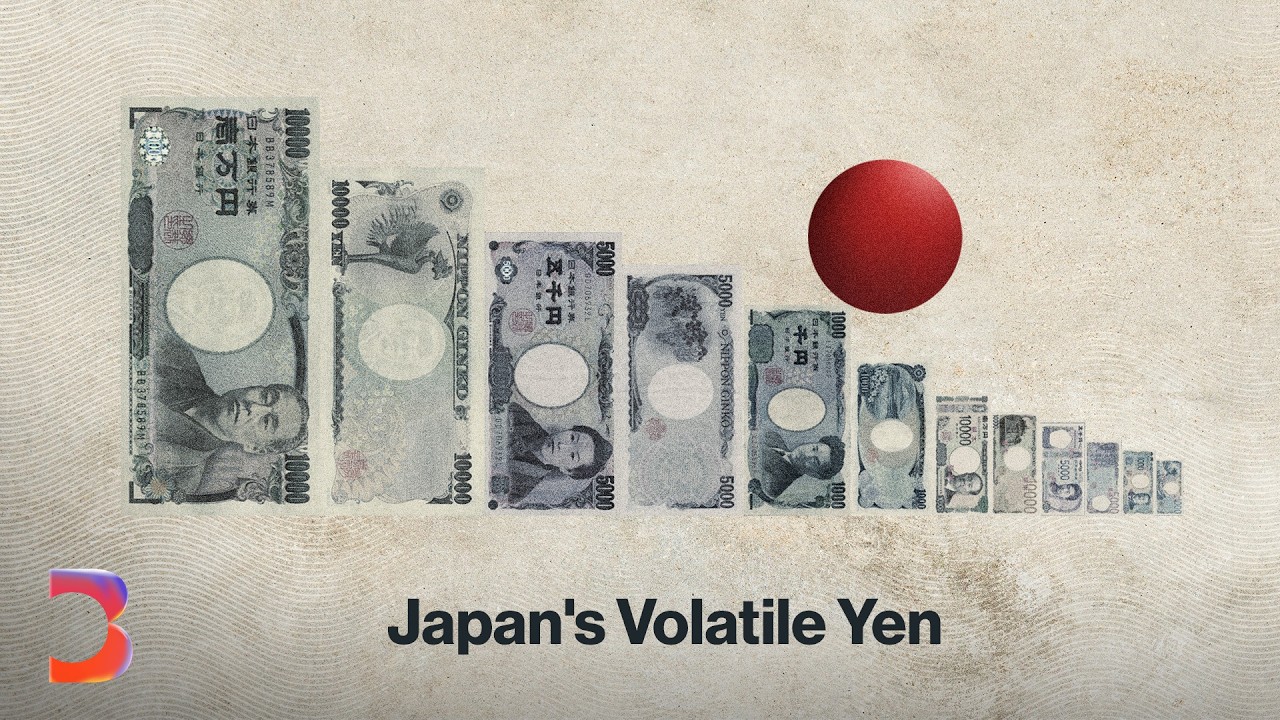
Why Japan's Currency Is So Volatile
⚡ THE VIBE
✨Dive into the fascinating, often volatile, yet undeniably resilient world of Japan's equity markets, a powerhouse of innovation and tradition that has shaped global finance for over a century. From the dizzying heights of the 'Bubble Economy' to its remarkable resurgence in the 2020s, this market is a masterclass in economic evolution. 📈
§1The Land of the Rising Yen: An Overview 🌅
Japan's equity markets are a cornerstone of the global financial system, primarily centered around the Tokyo Stock Exchange (TSE), now part of the Japan Exchange Group (JPX). Far from being just another stock market, it's a vibrant ecosystem reflecting the heart of Japan's economic prowess, its technological innovation, and its unique corporate governance structures. Think of it as a high-tech kabuki stage where global investors and domestic giants play out economic dramas daily. While the Nikkei 225 is its most famous index, tracking Japan's top companies, the market offers a much broader spectrum, from tech titans to traditional manufacturers. It's a market that demands respect and understanding, often moving to its own rhythm, distinct from its Western counterparts. 🚀
§2From Samurai Bonds to Global Powerhouse: A Brief History 📜
The roots of Japan's modern equity markets stretch back to the late 19th century, with the establishment of the Tokyo Stock Exchange in 1878. However, its true global prominence began to blossom after World War II, fueled by Japan's incredible economic miracle. The 1980s saw an unprecedented boom, with asset prices, including stocks and real estate, soaring to dizzying heights, creating what's famously known as the 'bubble economy.' When the bubble burst in the early 1990s, it ushered in decades of stagnation, often referred to as the 'Lost Decades.' Yet, Japan's markets are nothing if not resilient. Recent years have seen a remarkable resurgence, driven by corporate reforms, a weakening yen, and renewed investor confidence, proving that even after a long winter, the cherry blossoms can bloom again. 🌸 For more historical context, check out History of Japan.
§4Unique Dynamics & Why It Matters Globally 🌍
What makes Japanese equity markets truly unique? For starters, the concept of Keiretsu – intricate networks of interlinked companies – historically played a significant role, fostering long-term relationships over short-term profits. While less dominant today, its legacy persists. Moreover, Japan's aging population and low interest rates have created a massive pool of domestic savings, often channeled into equities. The market is also a bellwether for global manufacturing and technology, given Japan's leadership in sectors like robotics, automotive, and advanced materials. Companies like Toyota, Sony, and SoftBank are not just Japanese giants; they are global innovators whose performance impacts industries worldwide. Investing here isn't just about Japan; it's about tapping into a critical artery of the global economy. 🌐
§5Challenges, Reforms & the Future Ahead 🌟
Despite its recent resurgence, the Japanese market isn't without its challenges. Corporate governance, while improving, has historically been criticized for being insular. Efforts like the Stewardship Code and Corporate Governance Code, championed by the Japan Exchange Group (JPX), aim to empower shareholders and boost transparency. Furthermore, Japan faces demographic headwinds with a shrinking workforce. However, these challenges are also catalysts for innovation, driving companies to invest in automation and AI, making them more competitive globally. The future of Japanese equities looks promising, with a renewed focus on shareholder returns and a commitment to innovation, positioning it as a compelling destination for savvy investors. It's not just a comeback story; it's a continuous evolution. phoenix-like market, always reinventing itself. 💡