International Space Station
Humanity's Orbital Outpost: A Symphony of Science and Starlight 🚀
Featured partners and sponsors
New advertisers get $25 in ad credits
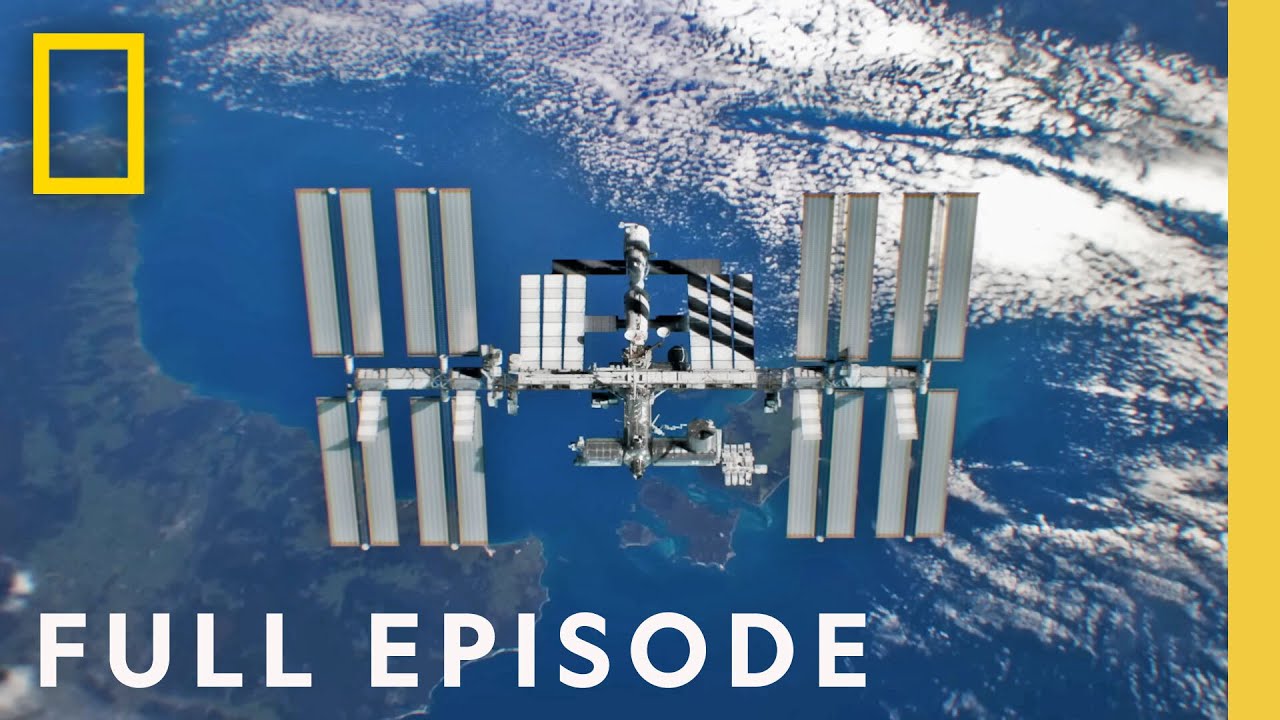
Uncovering the Secrets of the International Space Station (Full Episode) | Superstructures
⚡ THE VIBE
✨The International Space Station (ISS) isn't just a marvel of engineering; it's a floating testament to global cooperation, where astronauts from diverse nations live, work, and conduct groundbreaking science, orbiting our planet 16 times a day. 🌍🚀
Imagine a football field-sized laboratory, hurtling through space at 17,500 miles per hour, 250 miles above Earth. That's the International Space Station (ISS)! 🌌 Since its first module, Zarya, was launched in 1998, the ISS has grown into the largest human-made structure ever put into space, a truly awe-inspiring feat of engineering and international diplomacy. It's not just a collection of modules; it's a vibrant, living, working environment where humanity's reach truly extends beyond our atmosphere. Think of it as our first permanent off-world address. 🏡✨
The ISS is a joint project involving five participating space agencies: NASA (United States), Roscosmos (Russia), JAXA (Japan), ESA (Europe), and CSA (Canada). This incredible partnership, forged in the wake of the Cold War, transformed former rivals into collaborators, proving that even the most ambitious goals are achievable when nations work together. 🤝🛰️ It's a powerful symbol of peace and scientific pursuit, demonstrating what humanity can achieve when focused on exploration rather than conflict. The station has been continuously occupied since November 2, 2000, making it the longest continuous human presence in space! 🗓️👨🚀
Life aboard the ISS is a unique blend of scientific rigor and everyday challenges. Astronauts conduct thousands of experiments in microgravity, impacting fields from medicine and biology to material science and astrophysics. Ever wondered how plants grow without gravity? Or how the human body adapts to long-duration spaceflight? The ISS is where we find those answers, paving the way for future missions to the Moon and Mars. 🔬🍎 But it's not all work; astronauts also maintain the station, exercise for hours daily to combat bone and muscle loss, and even enjoy stunning views of Earth, often sharing breathtaking photos and videos that remind us of our planet's fragile beauty. 🌍💙
The ISS has profoundly impacted our understanding of space and ourselves. It's provided invaluable data on long-duration space travel, crucial for planning future deep-space missions. It's also inspired countless individuals worldwide to pursue careers in STEM, fostering a new generation of scientists and engineers. 🌟 Furthermore, the station serves as a crucial testbed for new technologies, from advanced life support systems to robotic arms like the Canadian-built Canadarm2. As we look towards the future, the ISS is slated for retirement around 2030, with plans for commercial space stations to take its place, continuing the legacy of orbital research and human presence. The end of an era, but the beginning of a new one! 🚀➡️🏢
The legacy of the International Space Station is monumental. It represents humanity's enduring curiosity, our drive to explore, and our capacity for global cooperation. It's a place where boundaries dissolve, and the shared pursuit of knowledge unites us. From its humble beginnings to its current majestic form, the ISS remains a vibrant, orbiting laboratory, a true cosmic crucible where the future of space exploration is being forged, one experiment, one spacewalk, and one international crew at a time. It's truly a testament to what we can achieve when we reach for the stars, together. ✨🌠