Infectious Diseases
The microscopic battles that have shaped humanity's past, present, and future. 🦠
Featured partners and sponsors
New advertisers get $25 in ad credits
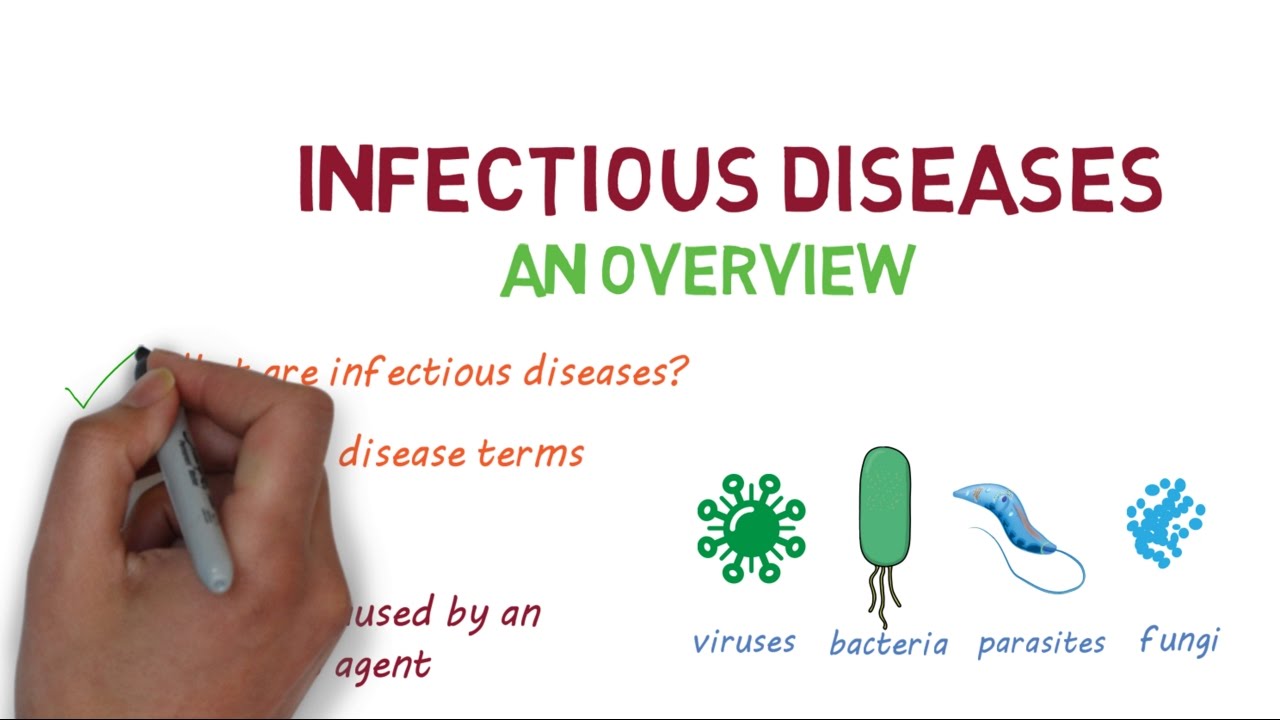
Infectious Diseases: A Beginner's Guide to the Basics
⚡ THE VIBE
✨Infectious diseases are the silent, often invisible, adversaries caused by **pathogens** that invade a host organism, leading to illness and sometimes devastating outbreaks that have profoundly impacted human civilization. Understanding them is key to protecting our collective health! 🛡️
§1What Are Infectious Diseases? 🤔
At their core, infectious diseases are illnesses resulting from the invasion of a host organism by disease-causing agents, known as pathogens. These tiny invaders — think bacteria, viruses, fungi, and parasites — exploit the host's resources to multiply, often triggering an immune response that manifests as symptoms. It's a constant biological arms race, where pathogens evolve to evade our defenses, and our bodies (and medical science!) strive to develop new ways to fight back. From a common cold to a global pandemic, the mechanisms are fundamentally similar: a pathogen finds a way in, replicates, and causes trouble. 💥
§2A Deep Dive into Pathogens: The Microscopic Menace 🔬
The world of pathogens is incredibly diverse, each with its own unique strategies for infection and survival. Understanding these categories is crucial for developing effective treatments and preventions:
- Viruses: These are non-living entities that hijack host cells to reproduce. Think of the flu virus, HIV, or the recent SARS-CoV-2 that caused the COVID-19 pandemic. They're notoriously difficult to treat because they integrate with our cellular machinery. 🧬
- Bacteria: Single-celled microorganisms that can cause a wide range of diseases, from strep throat to tuberculosis. While many bacteria are harmless or even beneficial, pathogenic bacteria can produce toxins or directly damage tissues. Antibiotics are our primary weapon against them. 💊
- Fungi: Organisms like yeasts and molds that can cause infections, especially in individuals with weakened immune systems. Examples include athlete's foot or more serious systemic infections. 🍄
- Parasites: These are organisms that live on or in a host and get their food from or at the expense of their host. They range from microscopic protozoa (like those causing malaria) to larger worms. 🐛 Each type requires a different approach to diagnosis, treatment, and prevention, making the study of infectious diseases a complex and fascinating field. ✨
§3Transmission & Outbreaks: How Diseases Spread 🌐
Infectious diseases don't just appear; they spread! Understanding modes of transmission is vital for public health. Pathogens can travel through:
- Direct Contact: Touching an infected person, kissing, or sexual contact. Think of STIs like Herpes.
- Indirect Contact: Touching contaminated surfaces (fomites) like doorknobs or shared objects. 🧤
- Droplet Transmission: Sneezing or coughing, sending respiratory droplets short distances. 🤧
- Airborne Transmission: Smaller particles that remain suspended in the air for longer, traveling further. This is why diseases like measles are so contagious. 🌬️
- Vector-borne Transmission: Carried by living organisms like mosquitoes (malaria, dengue) or ticks (Lyme disease). 🦟
- Food and Waterborne: Consuming contaminated food or water. Think salmonella or cholera. 🍔💧 When an infectious disease spreads rapidly through a population, it's called an epidemic. If it crosses international boundaries and affects a large number of people globally, it becomes a pandemic, as we've seen with COVID-19. Public health organizations like the World Health Organization and the Centers for Disease Control and Prevention play critical roles in monitoring and responding to these threats. 🚨
§4The Impact on Humanity: A Historical Perspective 📜
Infectious diseases aren't just a modern concern; they have profoundly shaped human history, often more so than wars or political movements. From the Black Death in the 14th century, which wiped out an estimated 30-50% of Europe's population, to the 1918 Spanish Flu pandemic that killed millions globally, these invisible enemies have repeatedly altered demographics, societies, and even global power structures. The development of vaccines (pioneered by figures like Edward Jenner) and antibiotics (discovered by Alexander Fleming) were monumental breakthroughs, transforming medicine and dramatically increasing human life expectancy. However, the ongoing challenge of antimicrobial resistance means the fight is far from over. 🌍
§5Prevention & The Future of Infectious Disease Management 🚀
The battle against infectious diseases is a continuous one, driven by scientific innovation and global cooperation. Key strategies for prevention include:
- Vaccination: One of humanity's greatest triumphs, preventing countless illnesses and deaths. 💉
- Hygiene: Simple practices like handwashing remain incredibly effective. 🧼
- Sanitation: Access to clean water and proper waste disposal is fundamental. 🚿
- Surveillance: Monitoring disease patterns and emerging threats globally. 📡 Looking ahead, the field is buzzing with advancements. Genomic sequencing allows for rapid identification of new pathogens and tracking their evolution. AI-driven diagnostics and personalized medicine are on the horizon, promising faster, more targeted treatments. The concept of One Health, recognizing the interconnectedness of human, animal, and environmental health, is gaining traction as we understand that many emerging infectious diseases originate from zoonotic spillover events. The future demands vigilance, collaboration, and continuous scientific inquiry to stay ahead of these ever-evolving threats. 🌟