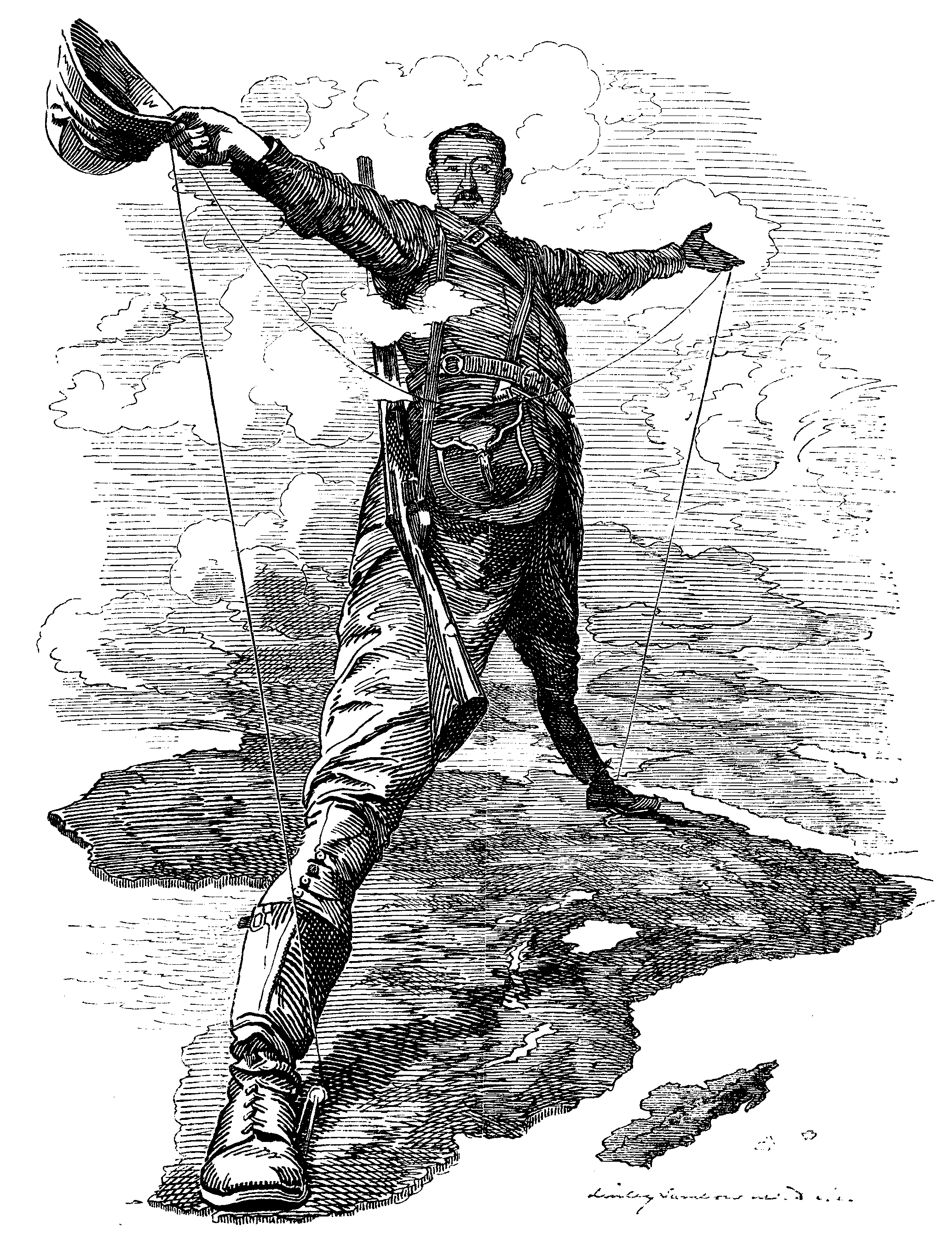
Imperialism in Asia
When global powers reshaped a continent, leaving an indelible mark on its destiny. 🌏💥
Featured partners and sponsors
New advertisers get $25 in ad credits

How Europe COLONISED Southeast Asia
⚡ THE VIBE
✨Imperialism in Asia was a monumental period where European and later American and Japanese powers carved out vast empires, fundamentally altering the continent's political, economic, and social landscapes for centuries to come. It's a story of ambition, exploitation, resistance, and the complex birth of modern nations. 📜
§1The Scramble for Asia: An Overview 🗺️
Imagine a vibrant, diverse continent, rich in resources and ancient cultures, suddenly becoming the target of an insatiable global appetite for power and profit. That, in essence, was Imperialism in Asia. Beginning with the Portuguese and Spanish in the 16th century, and accelerating dramatically with the British, French, Dutch, and later American and Japanese powers from the 18th to the 20th centuries, Asia was transformed into a chessboard for global domination. This wasn't just about flags and maps; it was about the control of trade routes, raw materials like rubber, tin, and oil, and access to massive markets for manufactured goods. The sheer scale of this undertaking is mind-boggling, affecting billions of lives and laying the groundwork for many of the geopolitical realities we navigate today. 🌍
§2Roots and Rise: Why Asia? 🤔
The motivations behind the European push into Asia were a complex cocktail of factors. Initially, it was the lure of spices 🌶️, silk, and other exotic goods that drove the early explorers. The Age of Exploration saw nations like Portugal and Spain establish trading posts and colonies in places like Goa and the Philippines. However, by the 18th and 19th centuries, the Industrial Revolution in Europe created an insatiable demand for raw materials and new markets. This economic engine, coupled with technological superiority (like steamships and advanced weaponry 🚢⚔️), a sense of racial and cultural superiority (often framed as the 'civilizing mission'), and intense rivalry between European powers, fueled the 'Scramble for Asia.' The British East India Company's rise in India, for example, perfectly illustrates this blend of commercial ambition and military might. The Opium Wars with China further exemplify how economic leverage could be brutally enforced. 💰
§3Methods of Control: From Trade to Direct Rule ⛓️
Imperial powers employed a variety of strategies to assert their dominance. It wasn't always outright conquest; often, it began with economic penetration through unequal treaties and spheres of influence, as seen in China. In other regions, like India and Indonesia, indirect rule through local proxies was common, allowing European powers to control vast territories with minimal administrative overhead. However, when resistance flared or resources proved too valuable, direct colonial administration was imposed, leading to the creation of vast empires like British India, French Indochina, and the Dutch East Indies. These administrations restructured local economies to serve metropolitan needs, introduced Western legal systems, education, and infrastructure (like railways 🚂), but often at the expense of indigenous industries and cultural practices. The impact on traditional social structures was profound and often devastating. 💔
§4Resistance and Legacy: The Seeds of Independence 🌱
Imperialism was never a one-way street. From the very beginning, there was fierce resistance from local populations. This ranged from armed uprisings like the Sepoy Mutiny in India and numerous rebellions across Southeast Asia, to intellectual movements advocating for self-determination. Figures like Mahatma Gandhi in India and Ho Chi Minh in Vietnam became symbols of this struggle. The two World Wars significantly weakened European powers, providing a crucial window for independence movements to gain momentum. The legacy of imperialism is complex and enduring. It left behind: