Immune Cells | Vibepedia
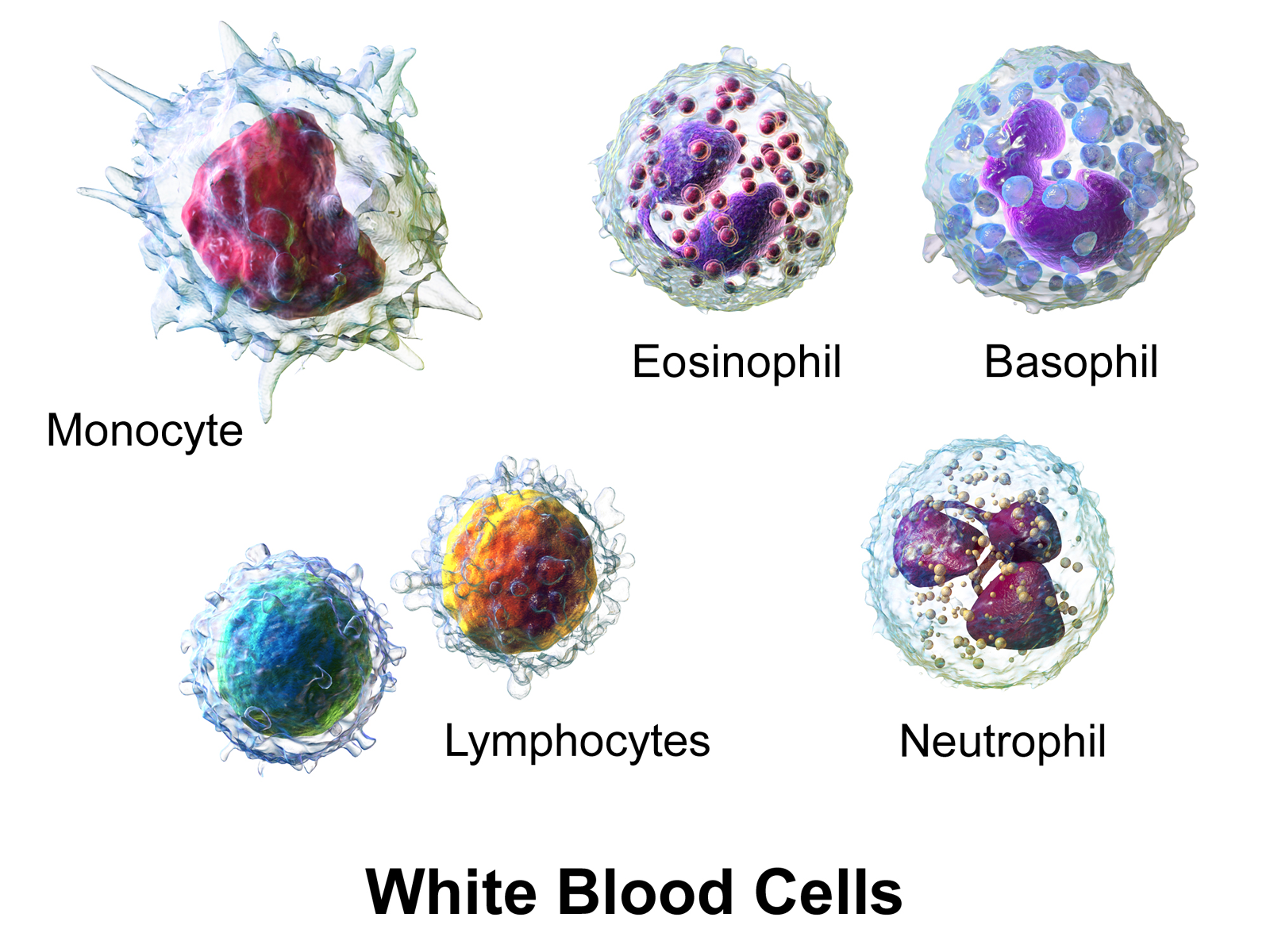
Immune cells, also known as white blood cells or leukocytes, are a crucial part of the immune system that helps protect the body against infectious diseases and
Overview
Immune cells, also known as white blood cells or leukocytes, are a crucial part of the immune system that helps protect the body against infectious diseases and foreign entities. They are produced in the bone marrow and can be found throughout the body, including the blood and lymphatic system. There are several types of immune cells, including granulocytes, lymphocytes, and monocytes, each with distinct functions and characteristics. Immune cells play a vital role in the body's defense mechanism, and their dysfunction can lead to various diseases and disorders. With a total of approximately 10^12 immune cells in the human body, they account for about 1% of the body's total cell count. The study of immune cells has led to significant advances in the field of immunology, with notable researchers like [[emil-von-behring|Emil von Behring]] and [[elie-metchnikoff|Elie Metchnikoff]] contributing to our understanding of the immune system. In 2020, the global immunology market was valued at $12.4 billion, with an expected growth rate of 7.5% per annum.