Hip Hop Culture
From Bronx block parties to global phenomenon: the rhythm that redefined everything. 🎤✨
Featured partners and sponsors
New advertisers get $25 in ad credits
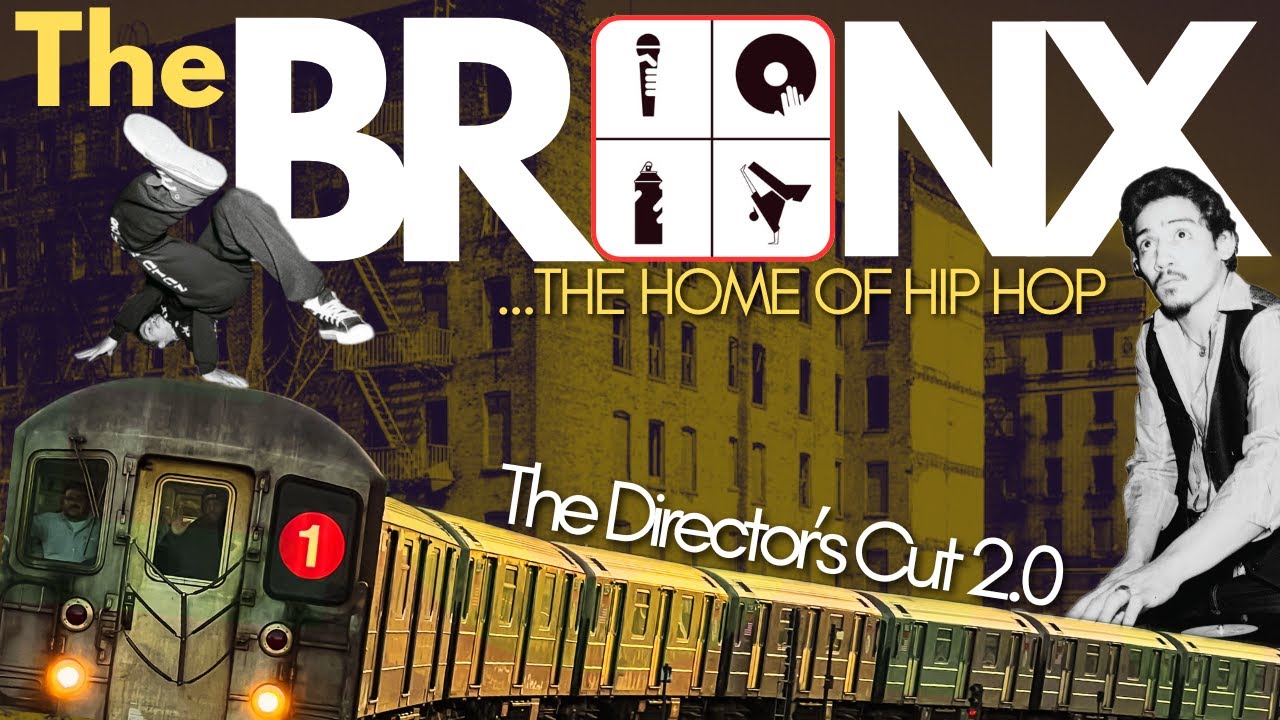
How The BRONX Created Hip Hop Culture...(In The Beginning Was The Bronx) #hiphop #hiphopmusic
⚡ THE VIBE
✨Born from the vibrant, often challenging, streets of the Bronx in the 1970s, **Hip Hop Culture** exploded into a global force, transcending music to become a powerful expression of identity, innovation, and resistance that continues to evolve and inspire. It's a living, breathing testament to creativity under pressure! 🌟
§1The Genesis: From Block Parties to Global Beats 🌍
Imagine the sweltering summer nights of the early 1970s in the South Bronx. Economic hardship and social neglect were rampant, but out of this crucible, a new sound and a new movement emerged. It wasn't just music; it was a complete cultural ecosystem. Pioneers like DJ Kool Herc are often credited with throwing the first true 'hip hop' parties, extending instrumental breaks of funk and soul records to keep the dancers moving. This innovative technique, known as the breakbeat, laid the foundation for everything that followed. 🎶 These initial gatherings weren't just parties; they were crucial community spaces, offering an escape and a platform for expression in a city struggling with its identity. The energy was electric, and the message was clear: we create our own fun, our own art, our own voice.
§2The Four Pillars: More Than Just Rhymes 🏗️
Hip Hop Culture isn't a monolith; it's built on a foundation of interconnected expressive elements, often referred to as the Four Pillars. While some argue for more, these four are universally recognized as the core: DJing, MCing (rapping), B-boying/B-girling (breakdancing), and Graffiti Art. Each pillar is a distinct art form, yet they are deeply intertwined, feeding off each other's energy and creativity.
- DJing: The sonic architect, crafting soundscapes from existing records. Think of the legendary Grandmaster Flash and his groundbreaking scratching techniques. 🎧
- MCing: The lyrical storyteller, weaving narratives and dropping rhymes over beats. From battle raps to conscious lyrics, MCs became the voice of the streets. 🗣️
- B-boying/B-girling: The physical expression, a dynamic dance form combining acrobatics, rhythm, and style. These dancers brought an incredible visual spectacle to the culture. 🤸♀️
- Graffiti Art: The visual language, transforming subway cars and city walls into vibrant canvases, often a form of reclaiming public space and asserting presence. 🎨
Together, these pillars formed a powerful, holistic cultural statement, offering avenues for creativity and self-expression that were previously unavailable to many young people.
§3From Underground to Mainstream: The Global Takeover 🚀
What started as an underground movement in New York City quickly caught fire. By the 1980s, acts like Run-DMC and the Beastie Boys were smashing through mainstream barriers, proving that hip hop wasn't just a fad. The 1990s saw an explosion of diverse sounds and regional styles, from the West Coast's G-funk to the East Coast's boom-bap, establishing hip hop as a dominant force in popular music.
Today, Hip Hop is arguably the most influential global culture of the 21st century. Its reach extends far beyond music, deeply impacting:
- Fashion: From streetwear to high fashion collaborations, hip hop dictates trends. Think sneakers, tracksuits, oversized silhouettes, and bling. 👟💎
- Language: Slang and phrases born from hip hop have permeated everyday conversation worldwide. 💬
- Technology: Hip hop artists were early adopters and innovators in digital music production and social media. 📱
- Social Commentary: It remains a powerful platform for discussing social justice, inequality, and systemic issues. ✊
Organizations like the Universal Hip Hop Museum are dedicated to preserving and celebrating this rich history, ensuring its legacy for future generations.
§4The Evolution & Future: Always Innovating ✨
Hip Hop's defining characteristic is its constant evolution. It's a culture of sampling, remixing, and reinvention. From the golden age of the 80s and 90s to the trap sounds and drill music of the 2010s and 2020s, it continuously absorbs new influences and spawns new subgenres. This dynamism ensures its relevance and keeps it at the cutting edge of cultural innovation.
However, this rapid evolution also brings discussions about commercialization, authenticity, and the preservation of its foundational elements. Critics sometimes lament the perceived loss of lyrical depth or the overemphasis on materialism, yet the core spirit of innovation and self-expression endures. As we look to the future, Hip Hop continues to be a vibrant, sometimes controversial, but always compelling force, proving that a culture born from adversity can truly change the world. Its story is far from over! ♾️