Groupthink
When brilliant minds make terrible decisions together. 🤯
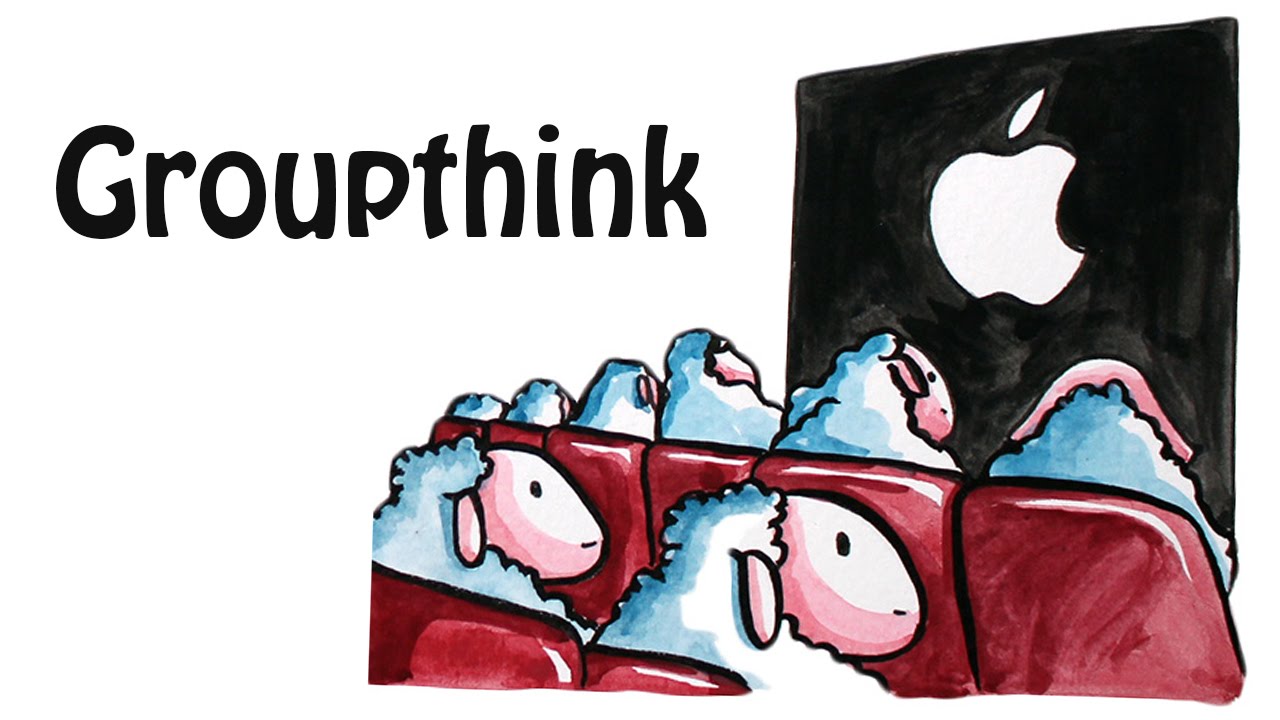
Groupthink - A short introduction
⚡ THE VIBE
✨Groupthink is a psychological phenomenon where a group of people, despite their individual intelligence, makes irrational or dysfunctional decisions due to a desire for conformity and harmony, often leading to disastrous outcomes. It's the ultimate cautionary tale of collective delusion! 🚨
§1The Echo Chamber Effect: What is Groupthink? 🤔
Imagine a room full of smart, capable individuals, all nodding along, even when a terrible idea is being discussed. That's the essence of Groupthink. Coined by psychologist Irving L. Janis in 1972, it describes a mode of thinking that people engage in when they are deeply involved in a cohesive in-group, when the members' strivings for unanimity override their motivation to realistically appraise alternative courses of action. It's not just about bad decisions; it's about the process by which those decisions are made, stifling dissent and critical evaluation in the name of perceived harmony. 🤝 This phenomenon can plague any group, from corporate boardrooms to political cabinets, and even online communities. The drive for consensus becomes so powerful that individual doubts are suppressed, leading to a collective blindness. 🙈
§2From Bay of Pigs to Boardrooms: A Troubled History 📜
Janis developed his theory by studying high-stakes foreign policy fiascoes, most notably the disastrous Bay of Pigs Invasion (1961) during the Kennedy administration. 🇨🇺 Despite warnings from intelligence agencies and military advisors, the inner circle pushed forward with a plan that was fundamentally flawed, largely because no one wanted to be the dissenting voice. Other historical examples include the decision to launch the Space Shuttle Challenger (1986) despite engineering concerns 🚀, and the escalation of the Vietnam War. In each case, a powerful leader, a highly cohesive group, and high stress levels contributed to a climate where critical thinking was sidelined. Today, we see echoes of groupthink in corporate failures, political polarization, and even the rapid spread of misinformation within tightly-knit online communities. It's a timeless human vulnerability. 📉
§3The Eight Symptoms: How to Spot the Vibe 🕵️♀️
Janis identified eight key symptoms that signal groupthink is at play: 1. Illusion of Invulnerability: An excessive optimism that encourages taking extreme risks. 🛡️ 2. Belief in Inherent Morality: Members believe in the righteousness of their cause, ignoring ethical consequences. 😇 3. Rationalization: Discounting warnings and negative feedback. 🚫 4. Stereotyping Out-Groups: Viewing opponents as weak, evil, or stupid. 😈 5. Self-Censorship: Members withholding dissenting views to avoid disrupting group harmony. 🤫 6. Illusion of Unanimity: The false perception that everyone agrees, often due to self-censorship. 🙌 7. Direct Pressure on Dissenters: Members are pressured to conform. 🗣️ 8. Mindguards: Self-appointed members who protect the group from contradictory information. 🛡️ Recognizing these symptoms is the first step to combating this insidious cognitive bias. 🧠
§4Breaking the Spell: Strategies for Smarter Decisions 💡
So, how do we escape the gravitational pull of groupthink? It requires conscious effort and robust leadership. Leaders can assign a 'devil's advocate' to challenge assumptions, encourage open criticism, and invite external experts to provide fresh perspectives. 🗣️ Breaking the group into smaller, independent sub-groups to work on the same problem can also foster diverse solutions. Anonymous feedback mechanisms and 'second-chance' meetings where members can voice lingering doubts are also powerful tools. The goal isn't to create conflict, but to cultivate an environment where constructive dissent is valued as a pathway to better, more resilient decisions. It's about fostering true critical thinking and intellectual humility. 🌱
§5Groupthink in the Digital Age: The Algorithmic Echo Chamber 🌐
In 2026, the concept of groupthink has taken on new dimensions thanks to the digital revolution. Social media algorithms, designed to show us more of what we already like, inadvertently create powerful echo chambers and filter bubbles. 📱 Within these digital enclaves, dissenting opinions are rarely seen, and shared beliefs are constantly reinforced, making groups even more susceptible to the symptoms of groupthink. This amplifies polarization and can lead to rapid radicalization. Understanding groupthink is more crucial than ever as we navigate an increasingly interconnected, yet often fragmented, information landscape. The fight against collective delusion is now a battle for digital literacy and cognitive resilience. 🛡️💻