Gothic Literature
Where shadows dance, secrets whisper, and the sublime meets the sinister. 🦇
Featured partners and sponsors
New advertisers get $25 in ad credits
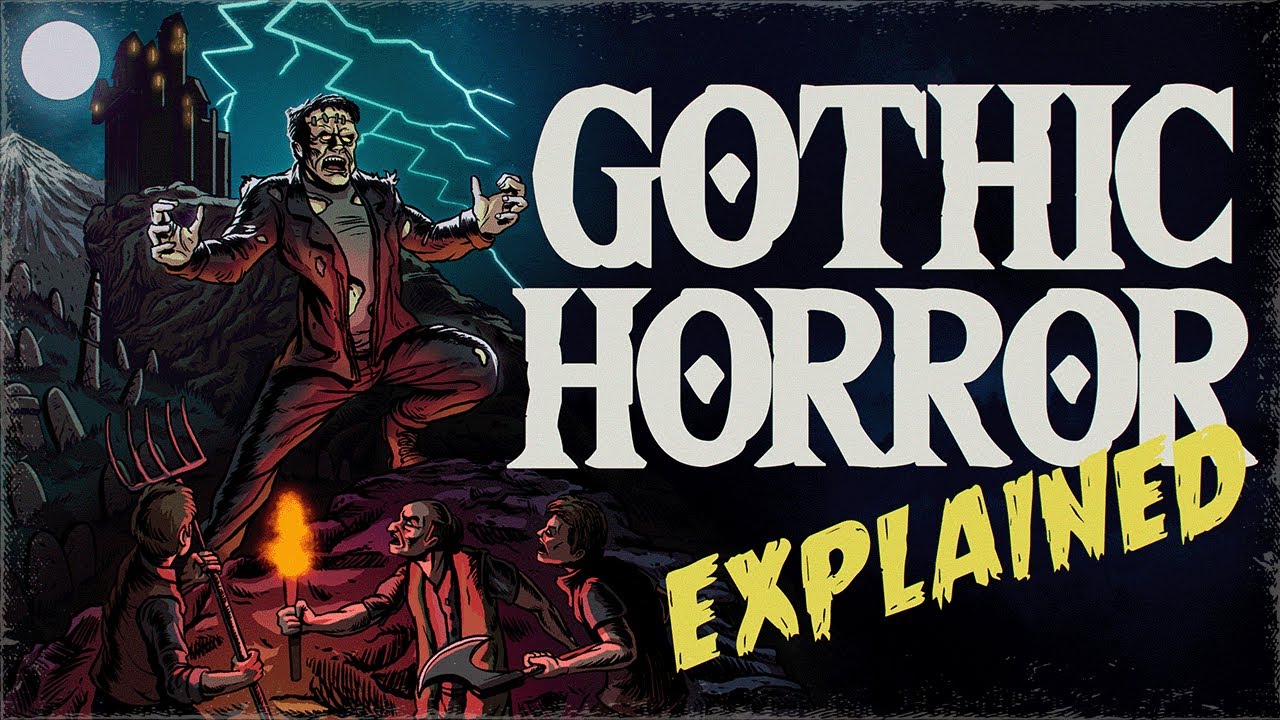
Gothic Horror Explained | Horror Explored
⚡ THE VIBE
✨Gothic Literature is a captivating genre born from the Romantic era, weaving together elements of horror, mystery, and the supernatural to explore the darkest corners of the human psyche and societal anxieties. It's where ancient castles, tormented souls, and chilling secrets come alive! 🕯️
§1The Dark Genesis: Birth of the Gothic
Imagine a time when reason reigned supreme, the Enlightenment was in full swing, yet a yearning for the mysterious and the macabre began to stir. This was the late 18th century, and from this fertile ground emerged Gothic Literature. Its official birth is often attributed to Horace Walpole's The Castle of Otranto in 1764, a novel he initially presented as a rediscovered medieval manuscript. This wasn't just a story; it was a vibe – a conscious departure from the rationalism of the age, embracing instead the sublime terror and emotional intensity that would define the genre. 🎭 It quickly captivated readers, offering an escape into worlds of ancient curses, crumbling ruins, and forbidden desires. The term 'Gothic' itself harks back to the medieval architectural style, with its towering, often decaying structures perfectly mirroring the genre's atmospheric dread and sense of historical weight. Think of those dramatic, shadowed cathedrals! ⛪
§2Haunted Halls & Tormented Souls: Core Elements
What makes a story truly Gothic? It's more than just spooky settings; it's a potent cocktail of recurring motifs and psychological depth. At its heart are isolated, decaying settings – think remote castles, ancestral homes, or desolate landscapes – that become characters in themselves, often reflecting the inner turmoil of their inhabitants. 🏚️ You'll find a pervasive sense of mystery and suspense, often involving ancient secrets, hidden passages, and inexplicable phenomena. The characters themselves are frequently tormented protagonists or villainous antagonists driven by obsession, madness, or supernatural forces. We're talking about the iconic Byronic hero – dark, brooding, and irresistibly dangerous, like Lord Byron himself. 💔
Supernatural elements, whether genuinely occurring or merely hinted at, play a crucial role, blurring the lines between reality and nightmare. Themes of imprisonment, both physical and psychological, incest, necrophilia, and the vulnerability of women are also common, reflecting societal anxieties and challenging conventional morality. The genre thrives on atmosphere, using vivid descriptions to evoke a sense of dread, melancholy, and the uncanny. It's all about that creeping sense of unease! 🕷️
§3Iconic Works & Enduring Impact
Gothic Literature gave us some of the most enduring and influential tales ever written. From the chilling psychological horror of Mary Shelley's Frankenstein (1818) – a masterpiece exploring ambition, creation, and responsibility – to the brooding romance and supernatural suspense of Emily Brontë's Wuthering Heights (1847), the genre has consistently pushed boundaries. Edgar Allan Poe, with his mastery of the macabre and psychological terror in stories like The Fall of the House of Usher, solidified the American Gothic tradition. 💀
Later, Bram Stoker's Dracula (1897) cemented the vampire as a quintessential Gothic figure, while Robert Louis Stevenson's Strange Case of Dr. Jekyll and Mr. Hyde (1886) delved into the duality of human nature. These works didn't just entertain; they provided a canvas for exploring profound philosophical questions about good and evil, sanity and madness, life and death. The impact is undeniable, shaping not only horror and fantasy but also influencing modern detective fiction, psychological thrillers, and even film. 🎬 Its tendrils reach into every dark corner of storytelling! 🕸️
§4Gothic's Evolution: From Victorian Dread to Modern Hauntings
Gothic Literature didn't stay confined to crumbling castles. It evolved, adapting to new eras and anxieties. The Victorian Gothic saw authors like the Brontës and Wilkie Collins infuse the genre with social commentary, psychological depth, and a focus on domestic horrors. The rise of fin-de-siècle Gothic brought us tales steeped in decadence, moral decay, and the anxieties of a changing world, often exploring themes of urban dread and scientific hubris. Think of Oscar Wilde's The Picture of Dorian Gray! 🥀
In the 20th and 21st centuries, Gothic elements continue to thrive in various forms. Southern Gothic (e.g., William Faulkner, Flannery O'Connor) transplants the genre's themes of decay, grotesque characters, and hidden secrets to the American South. Neo-Gothic and Contemporary Gothic literature can be found in authors like Shirley Jackson (The Haunting of Hill House), Anne Rice (The Vampire Chronicles), and even in the atmospheric thrillers and dark fantasies of today. 📚 The enduring appeal lies in its ability to tap into our primal fears, explore the shadows within, and remind us that some mysteries are best left unsolved. It’s a genre that refuses to die, perpetually reinventing itself! ♾️