Gladiators
More than just bloodsport: The complex world of ancient Rome's superstar fighters! ⚔️
Featured partners and sponsors
New advertisers get $25 in ad credits
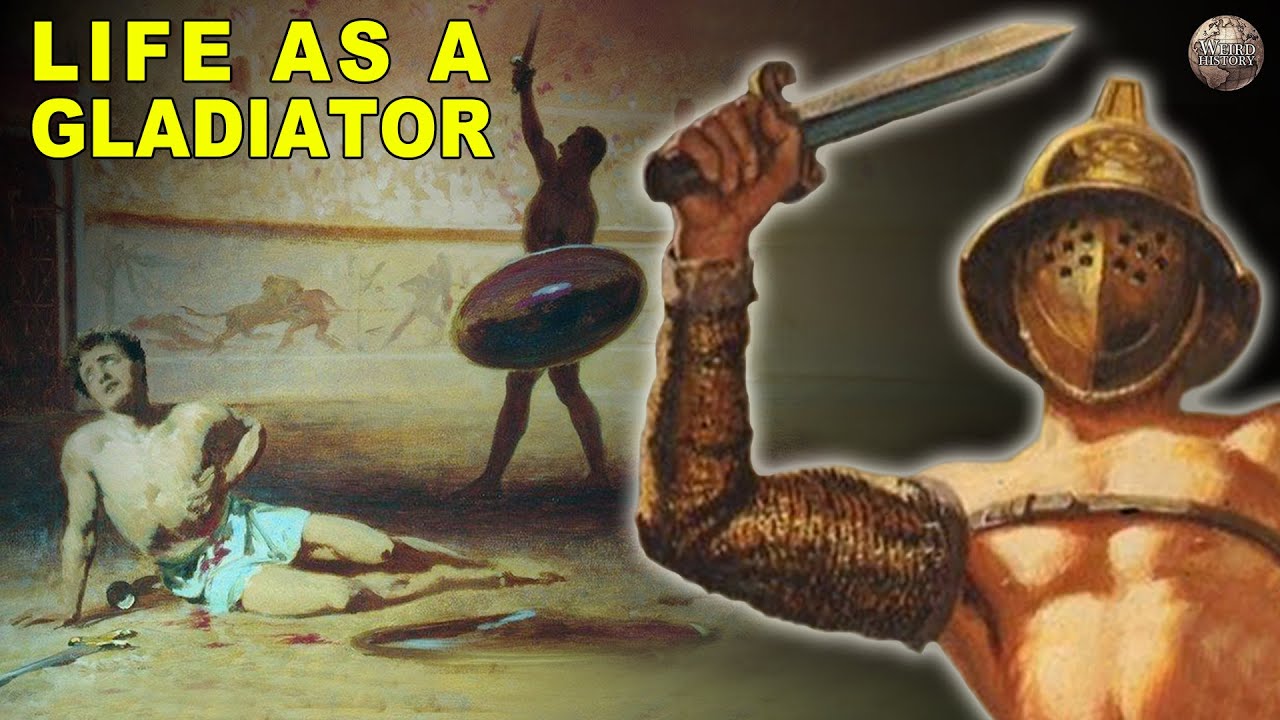
What It Was Like to Be a Roman Gladiator
⚡ THE VIBE
✨Gladiators were the rockstars and tragic figures of ancient Rome, captivating millions with their life-or-death battles in the arena, embodying both brutal spectacle and surprising social complexity. Far from simple entertainment, their contests reflected Roman values, power dynamics, and a unique blend of honor and despair. 🏟️
§1The Spectacle of Survival: An Overview
Imagine a stadium roaring with tens of thousands of spectators, the sun glinting off polished bronze and steel, and the air thick with anticipation. This was the world of the gladiator – a fighter, often enslaved or condemned, who engaged in armed combat against other gladiators, wild animals, or even condemned criminals for the entertainment of Roman audiences. These spectacles, known as munera, were initially part of funeral rites, evolving into massive public events sponsored by emperors and wealthy elites to display their power and generosity. Far from mere bloodlust, these contests were highly ritualized, featuring diverse fighting styles, elaborate armor, and a dramatic tension that held the Roman populace spellbound. It was a brutal form of entertainment, yes, but also a deeply ingrained cultural phenomenon that offered glimpses into Roman society's values, hierarchies, and obsessions. 🌟
§2From Funeral Rites to Imperial Grandeur: A History
The origins of gladiatorial combat are murky, but most historians trace them back to the Etruscans, who practiced ritualistic human sacrifice at funerals to honor the dead. The Romans adopted this tradition, with the first recorded gladiatorial games taking place in 264 BCE when Decimus Iunius Brutus Pera exhibited three pairs of gladiators in the Forum Boarium to honor his deceased father. Initially, these munera were private affairs, but they quickly grew in scale and popularity, becoming a staple of Roman public life. By the time of the Republic and especially the Empire, gladiatorial games were massive productions, often lasting for days, featuring hundreds of fighters, exotic beasts, and elaborate stagecraft. Emperors like Augustus and Titus understood the immense power of these spectacles to win public favor, distract from political woes, and project an image of unparalleled might. The Colosseum, inaugurated in 80 CE, stands as the ultimate monument to this imperial obsession. 🏛️
§3The Life of a Gladiator: Training, Types, and Fate
Life as a gladiator was incredibly harsh, yet also offered a strange path to fame and potential freedom. Most gladiators were slaves, prisoners of war, or condemned criminals, but some free-born individuals, driven by debt or a thirst for glory, voluntarily entered the ludus (gladiatorial school). Training was rigorous, overseen by a lanista (owner/trainer), focusing on physical conditioning, weapon mastery, and specific fighting techniques. Gladiators were categorized by their armor and weaponry, each type offering a unique combat style: 🛡️
- Murmillo: Heavily armed with a large shield (scutum), short sword (gladius), and fish-crested helmet.
- Thraex (Thracian): Wielded a curved sword (sica) and a small, square shield.
- Retiarius: The most distinctive, fighting with a net (rete), trident (fuscina), and dagger, often without a helmet.
- Secutor: Chased the Retiarius, armed similarly to a Murmillo but with a smooth, egg-shaped helmet to avoid entanglement in the net.
While death was a constant threat, not every fight ended in fatality. Victors earned prize money, recognition, and sometimes even their freedom (rudis). Losing gladiators could appeal to the crowd for mercy, signified by the famous 'thumbs up' or 'thumbs down' gesture (though the exact meaning of these gestures is still debated by historians!). 💡
§4Cultural Resonance and Enduring Legacy
The gladiatorial games were more than just entertainment; they were a profound reflection of Roman society. They reinforced the ideals of courage, discipline, and the willingness to face death with honor – virtues highly prized by the Romans. They also served as a stark reminder of the social hierarchy, with emperors and elites at the top, dictating life and death, and the gladiators, despite their fame, at the bottom. The spectacle also provided a crucial social safety valve, allowing the masses to vent frustrations and participate in collective emotional experiences. The games eventually faded with the rise of Christianity, which condemned the practice, and the last known gladiatorial contest in Rome occurred in 404 CE. However, the image of the gladiator has never truly died. From Shakespeare to Hollywood blockbusters like Gladiator (2000), these iconic figures continue to symbolize ultimate struggle, sacrifice, and the enduring power of spectacle. Their story reminds us of humanity's complex relationship with violence, entertainment, and the pursuit of glory. 🎬
§5Modern Echoes and Ethical Debates
Even in the 21st century, the ghost of the gladiator lingers. We see echoes in modern combat sports like MMA or boxing, where athletes train rigorously, face intense physical danger, and compete for fame and fortune before roaring crowds. While vastly different in ethical context and outcome, the allure of individual combat and dramatic spectacle remains a powerful force. The historical study of gladiators also sparks important ethical discussions about the commodification of human life, the role of violence in entertainment, and the responsibilities of power. Organizations like the Archaeological Institute of America continue to uncover new insights into their lives, offering a more nuanced understanding beyond the sensationalism. Understanding gladiators isn't just about ancient history; it's about reflecting on what we value, what we're willing to watch, and how societies define honor and humanity. 🤔